

SHU is a tattoo artist based in Sapporo, Japan, whose work reflects a deep respect for both tradition and personal evolution. Beginning his journey at the age of 20 through an apprenticeship, he developed his craft through years of dedication, movement between studios, and exposure to different artistic influences. His time working abroad in the Netherlands further shaped his perspective, but his foundation remains rooted in Japanese tattoo culture and its unique balance between underground history and modern openness.
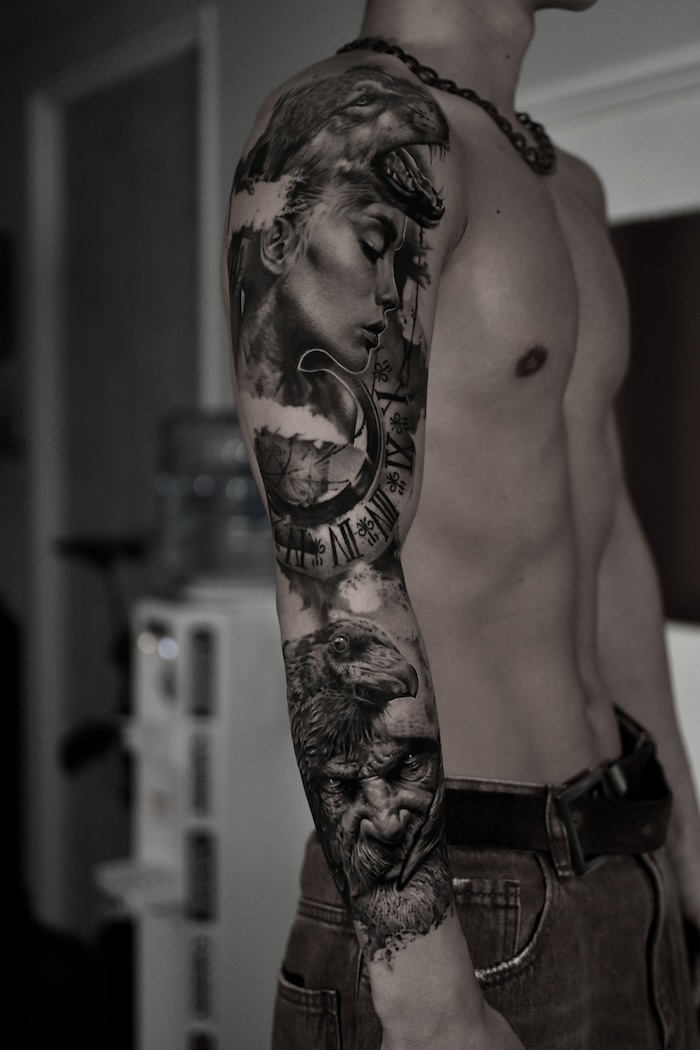
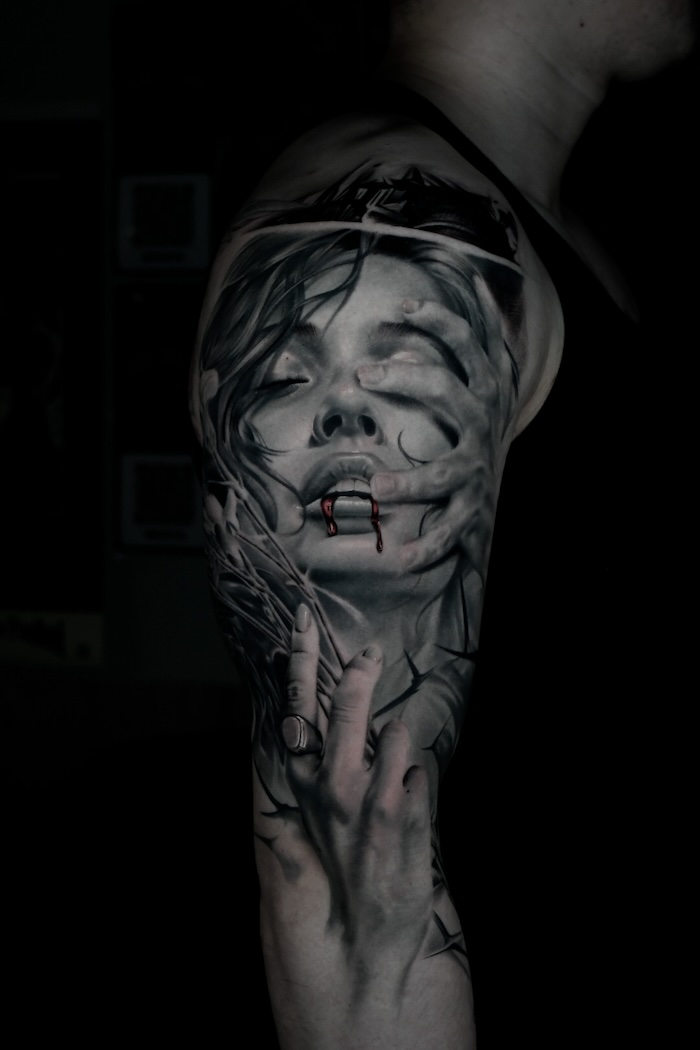
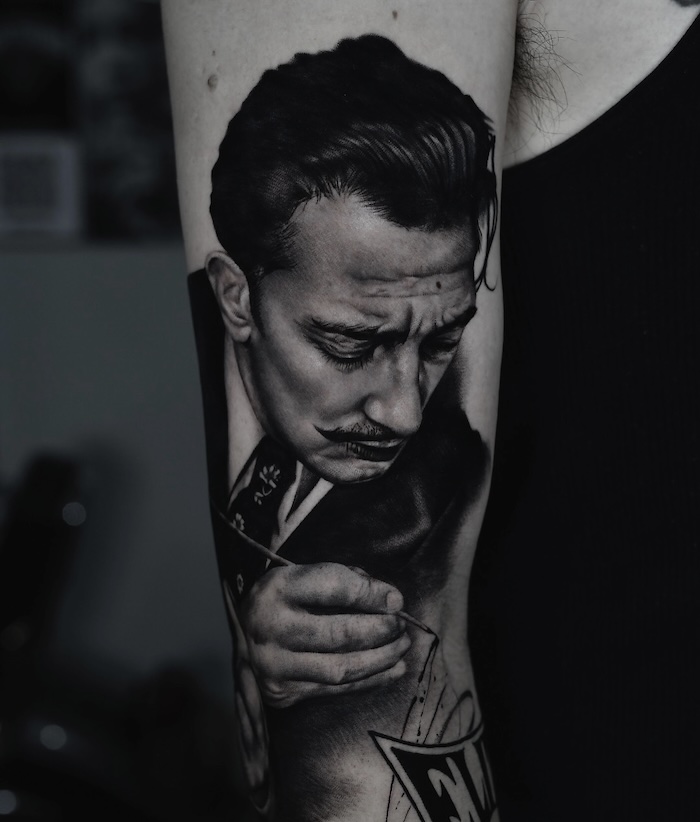
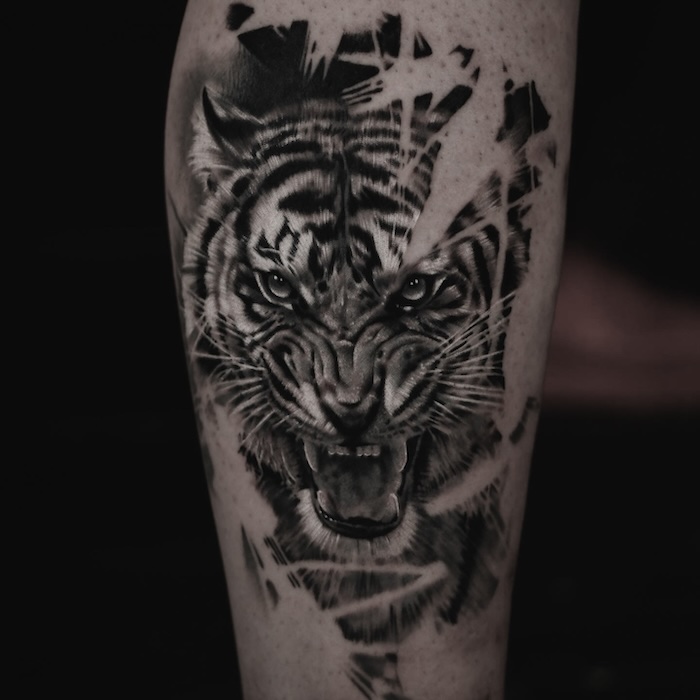
His artistic direction centers on black and gray realism infused with darker Japanese elements, creating work that feels both emotional and atmospheric. For SHU, tattooing is not just a profession but a role—something deeply tied to purpose and identity. His process is grounded in discipline, preparation, and respect for the craft, while his philosophy emphasizes patience, continuous growth, and the importance of enjoying the journey.
Beyond technique, SHU values connection, mentorship, and legacy. He actively teaches apprentices, believing that knowledge should be passed down and evolve through future generations. Whether through conventions, daily work, or quiet moments of reflection, his approach remains steady—focused on improving his skill, supporting others, and leaving behind a lasting influence through both his art and those he teaches.
Let’s step into his world.
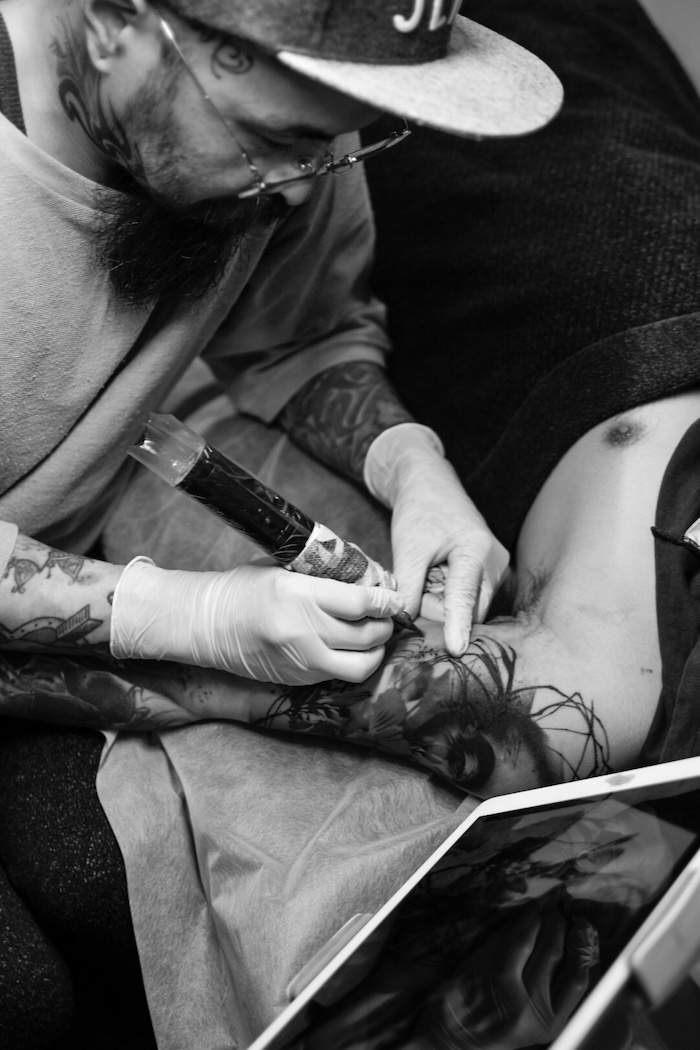
- How would you like to introduce yourself?
My name is SHU, a Japanese tattoo artist.
I’ve always loved doodling, and I began studying tattooing at the age of 20. I trained under a master and became completely absorbed in the world of tattooing. After three years as an apprentice, I worked in various studios to refine my technique and gain inspiration from different artists.
In 2018, at the age of 38, I moved to the Netherlands and worked there for three years. It was a wonderful experience. After returning to Japan, my passion has not changed. Now at 44, I continue to enjoy tattooing as much as ever.
- Where can your customers find you?
I work at SHU Tattoo Studio in Sapporo, Hokkaido, Japan.
- How would you describe the tattoo scene in Japan these days?
Tattoo culture in Japan has an underground history, and that influence still remains. However, with the spread of social media, tattoos have become more familiar and accessible.
While traditional elements are still present, each genre is evolving more freely, and the overall scene feels increasingly dynamic and exciting.
- Where did your fascination for tattoos come from?
Tattoos decorate the human body and carry meaning and intention. At the same time, they fade and change over time.
I find that fleeting nature very beautiful.
- What does tattooing mean to you personally?
If everyone has a role in life, then mine is tattooing.
- At what point in your life did you decide to become a professional tattoo artist?
It was when I was around 20, when my friends and I all began to go our separate ways in life.
- How did your family react when you started a career in tattooing?
My family supported me. When I was younger, I didn’t have much direction and often caused trouble, so they were happy to see me find a goal.
- Did you go through an apprenticeship? How was that experience?
Yes, I trained as an apprentice. It was both difficult and enjoyable, and I learned a great deal. Looking back, it became the foundation of everything I do now.
- What did your first tattoo look like?
It was a poorly done tattoo I carved for a friend.
- As a Tattoo Artist, what does your daily working routine look like?
My studio operates by appointment only, so I prepare carefully for each session. This includes consultation, treatment, and time for design work.
I arrive at least one hour early, light incense, and prepare the workspace and tools. After finishing the session, I clean everything and return home. That is my daily routine.
- How do you determine the price of a tattoo?
I balance the time required for the work with the local market rate. Ultimately, as long as both the client and I are satisfied, I believe the value is appropriate.
- What’s the most challenging aspect of being a tattoo artist in 2025?
Declining physical strength and eyesight with age.
- What’s the most rewarding aspect of being a tattoo artist?
The smile of the client.
- What tools and machines do you prefer to use?
I currently use two machines with soft stroke settings. Being able to adjust settings like attack is very important.
Balance and weight also matter, since we work for long hours. Lighter machines are better. These days, equipment has improved a lot, and there are many excellent tools available.
I prefer soft expression, so I use 0.30 needles. In Japan, it can be difficult to access certain tools, so availability is sometimes a challenge.
- What’s your number one aftercare advice for clients?
Keep it clean.
- How would you define your current tattoo style, and how did you end up focusing on it?
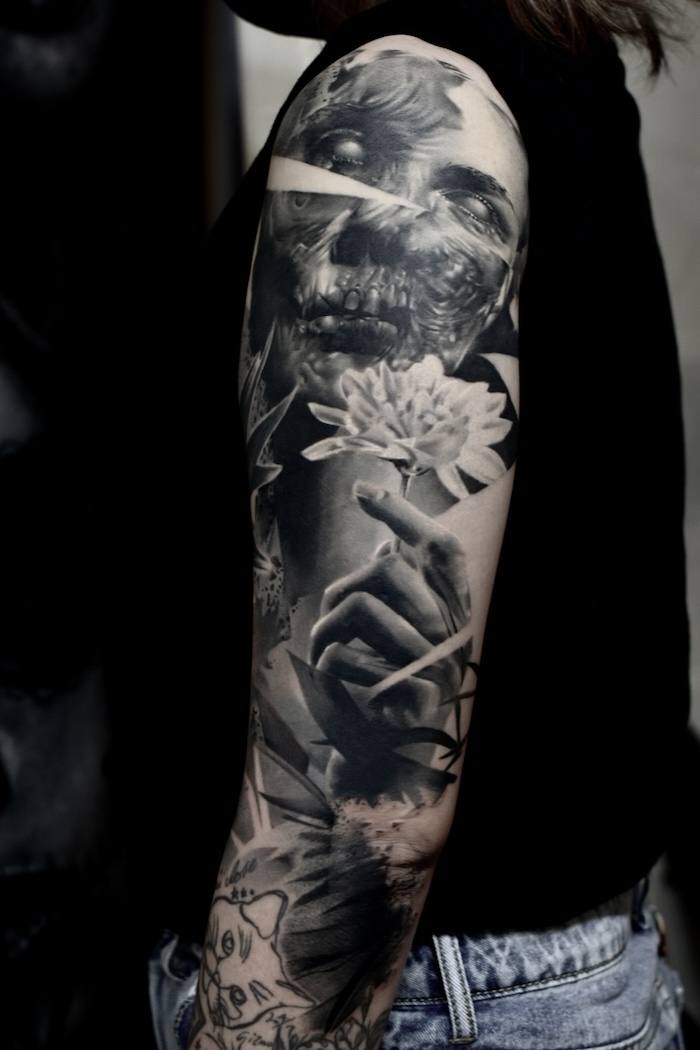
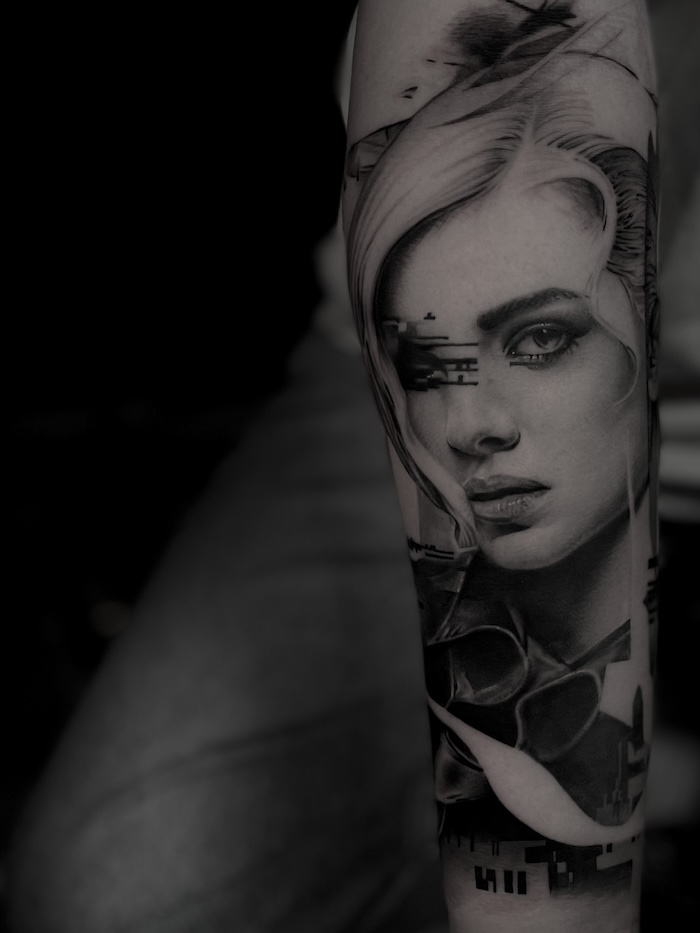
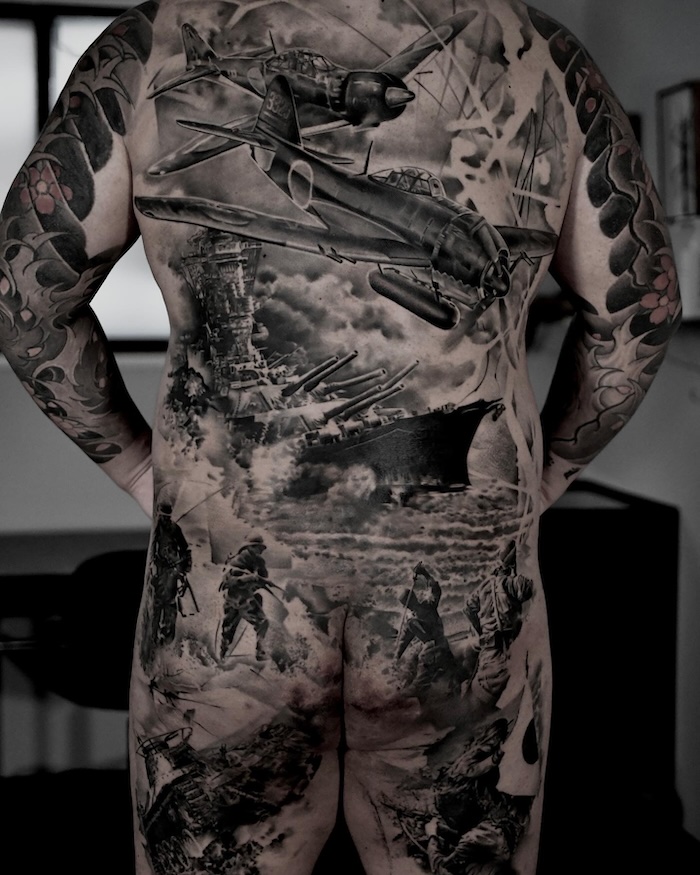
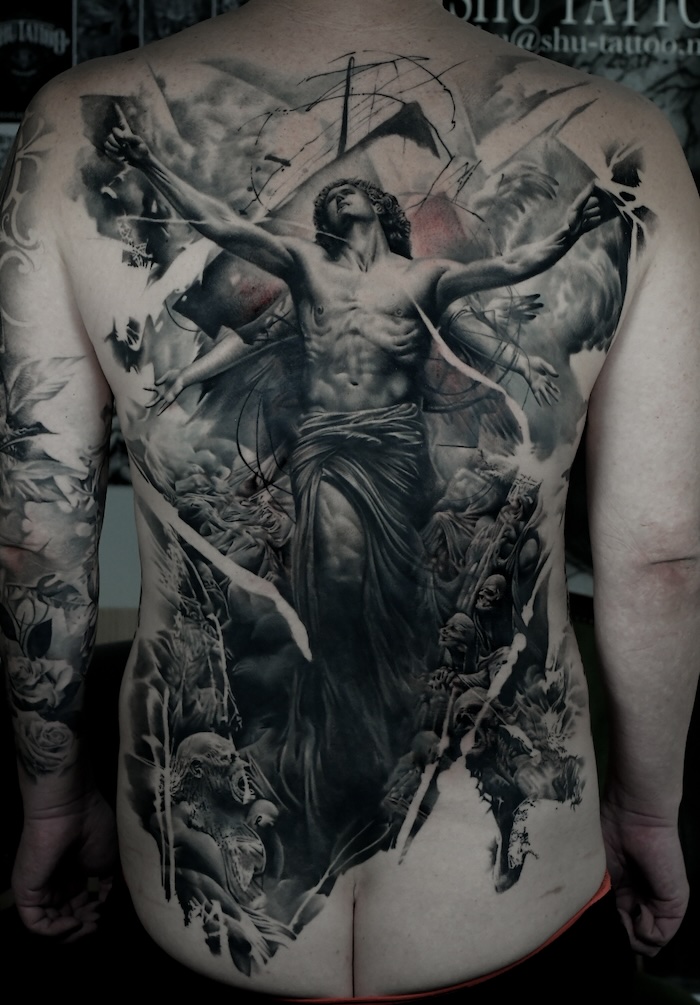
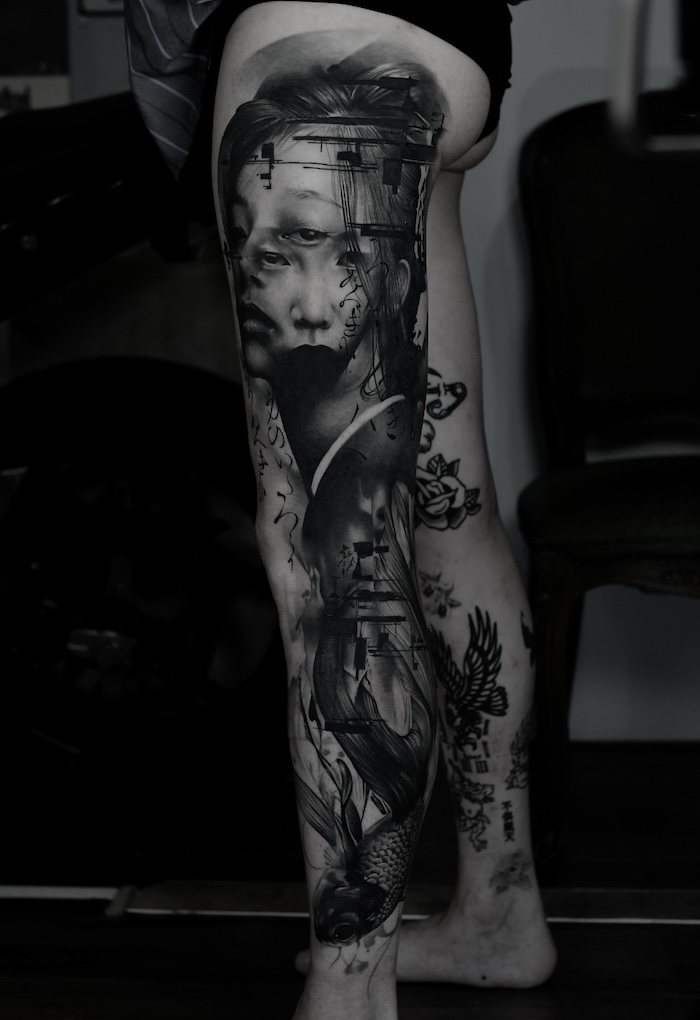
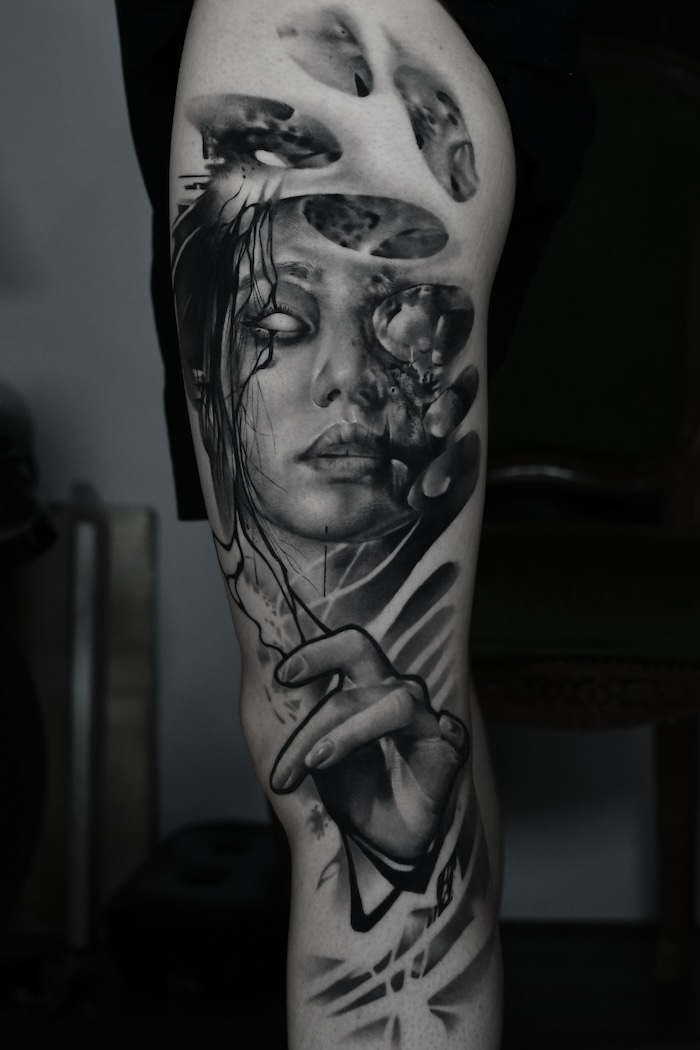
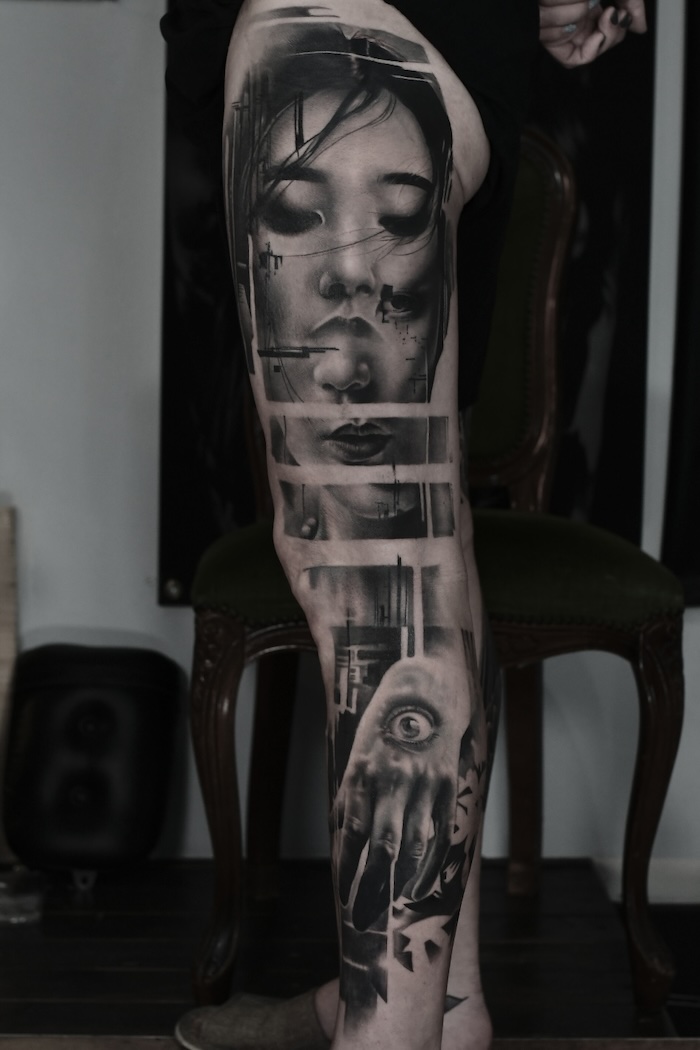
I enjoy black and gray realism, but I want to combine it with darker Japanese elements—something like Japanese horror expressed through realism.
- Are there any tattoo styles you’d like to explore more?
I’m interested in Japanese patterns and styles, and exploring how they can be combined with realism in a darker way.
- Being a successful tattoo artist requires many different skills. What’s your favorite way to keep learning?
Living a balanced life and enjoying what I do.
- Do you like to teach or mentor upcoming artists?
Yes, I currently have several apprentices. We learn together through teaching.
It’s also enjoyable to talk about tattoos over drinks—although sometimes the conversations become a bit silly.
- What’s the best piece of advice you ever received to improve your tattooing technique?
Work precisely, relax, and release tension in your shoulders.
- How do you stay at the top of your game?
Good food and good sake.
- What’s your view on the rise of AI in tattooing?
It’s fine to use it as a reference or for ideas, but relying on it too much is dangerous. I worry that human individuality and sensitivity could be lost.
- What’s your experience at tattoo conventions so far?
Conventions are wonderful experiences. You meet many people and gain a lot of inspiration.
- How do you usually prepare for a tattoo convention?
I approach it the same way as my regular work.
- What’s your primary reason to attend a tattoo convention?
It’s exciting, different from daily life, and a place to learn. Competitions are also part of the motivation.
- What’s your favorite tattoo convention so far? And why?
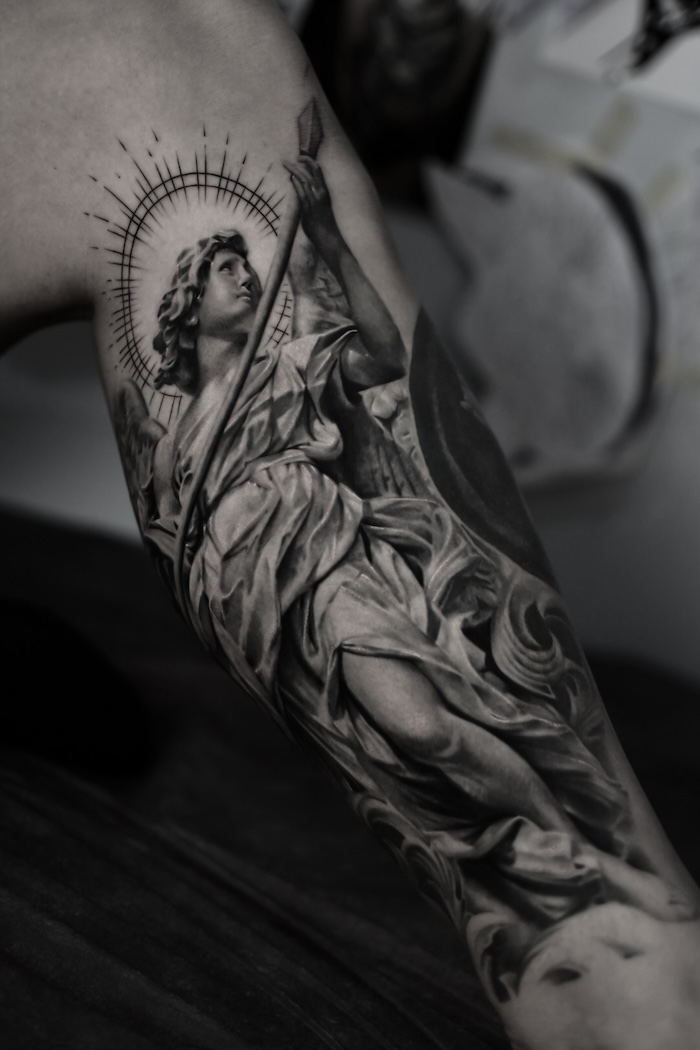
The Tokyo Bay Tattoo Festival 2025. I received an award there in front of fellow artists and my apprentices, and it was a meaningful experience to share that moment.
- Have you ever had the opportunity to participate in any tattoo contests? Did you win any awards?
Inner Ink 2018 — Black and Gray, 2nd place
Singapore Ink Show 2025 — Best Sleeve, 2nd place
Tokyo Bay Tattoo Festival 2025 — Leg Sleeve, 1st place
- What advice would you offer to someone considering a career as a tattoo artist?
Don’t rush. Take things step by step, and continue steadily.
- What are your goals or dreams for the near future?
To improve my skills and evolve my designs, and to participate in conventions together with my apprentices and team.
- What legacy do you want to leave as a tattoo artist?
What I’ve learned will be passed on to my apprentices, and they will pass it on further. Even if it changes form, it will continue.
I would be happy if someone is inspired by my work.
- To close this awesome interview, what’s your last message to our readers?
Thank you for reading this interview. I hope you remember that there are artists like me in Japan, an island country in the Far East.


Leave A Comment