

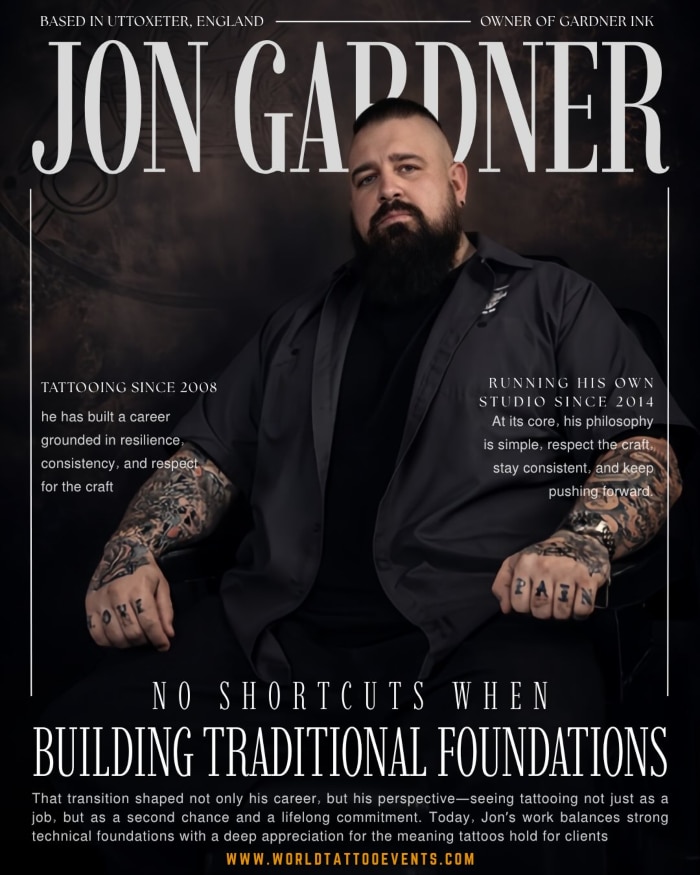
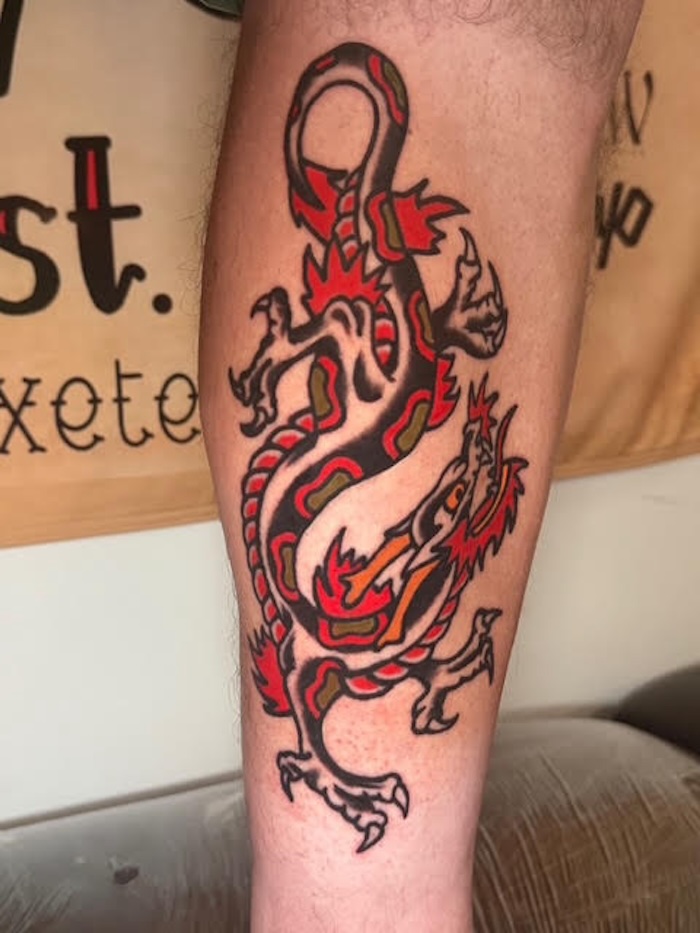
Jon Gardner is a tattoo artist based in Uttoxeter, England, and the owner of Gardner Ink. Tattooing since 2008 and running his own studio since 2014, he has built a career grounded in resilience, consistency, and respect for the craft. While he has developed as an all-rounder over the years, his current focus centers on traditional tattooing—drawing heavily from its history while continuing to evolve within it.
His journey into tattooing came after a major turning point in life, shifting from the motor trade into a completely new direction. That transition shaped not only his career, but his perspective—seeing tattooing not just as a job, but as a second chance and a lifelong commitment. Today, Jon’s work balances strong technical foundations with a deep appreciation for the meaning tattoos hold for clients.
Beyond his own work, Jon remains actively engaged in the tattoo community through conventions, mentorship, and running his studio. His approach is rooted in discipline and steady growth, with a focus on maintaining high standards while adapting to an increasingly competitive industry. At its core, his philosophy is simple—respect the craft, stay consistent, and keep pushing forward.
Let’s step into his world.
- How would you like to introduce yourself?
My name is Jon Gardner, owner of Gardner Ink in Uttoxeter, England. I’ve been tattooing since 2008 and running my own studio since 2014.
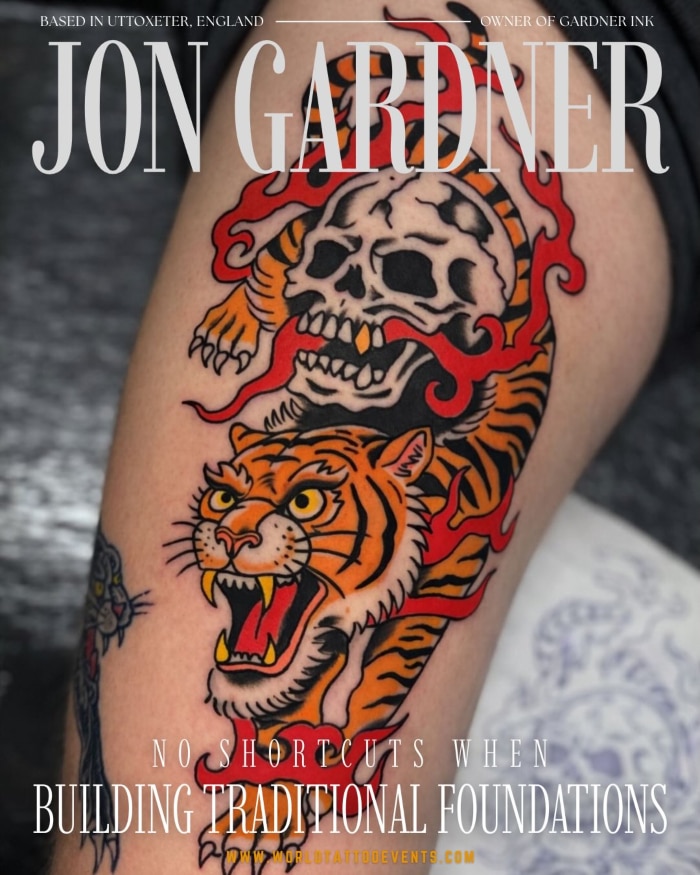
Over the years, I’ve developed into an all-rounder, but these days my main focus is traditional tattooing.
- Where can your customers find you?
I’m based in Uttoxeter, England at my studio, Gardner Ink.
- How would you describe the tattoo scene in your country these days?
The UK tattoo scene is incredibly strong right now. There are many talented artists pushing the craft forward, and the standard is constantly rising.
At the same time, there’s still a strong appreciation for the foundations of tattooing, which I respect.
- How would you define yourself in one word?
Resilient.
- Where did your fascination for tattoos come from?
I’ve always been drawn to art and creative work, but tattooing stood out because it combines art with something permanent and meaningful.
There’s something powerful about creating something that someone carries with them for life.
- What does tattooing mean to you personally?
Tattooing gave me a second chance. It’s not just a job—it’s a craft, a lifestyle, and a way to constantly challenge myself creatively.
- At what point in your life did you decide to become a professional tattoo artist?
I came into tattooing after a major turning point. I previously worked in the motor trade and co-owned a company at 22, but when things collapsed, I lost the business, my house, and most of my assets.
That forced me to reassess everything and find a new direction—and tattooing became that path.
- How did your family react when you started a career in tattooing?
At first there was some uncertainty, like with any career change. But over time, they saw my dedication and the success that followed. Now they’re very supportive.
- Did you go through an apprenticeship? How was that experience?
Like most artists starting out, I learned through experience, practice, and persistence. Tattooing is a craft that takes years to develop, and you’re always learning.
- What did your first tattoo look like?
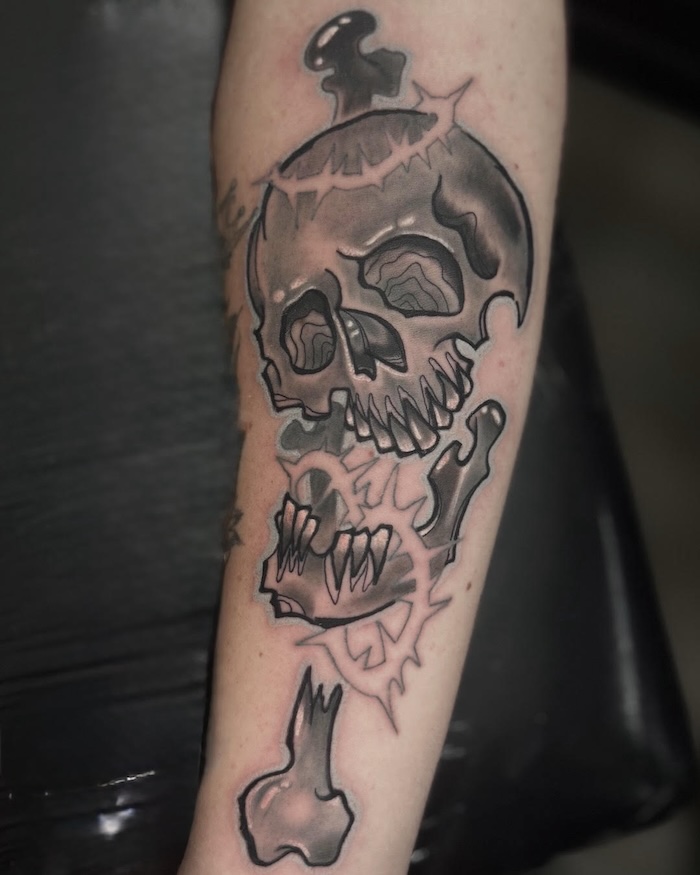
Like most first tattoos—not something I’d want to recreate today. But it’s all part of the journey.
- Do you usually do guest spots?
Yes, I’ve done guest spots and conventions over the years, and they’re always great experiences.
It’s a chance to meet artists from around the world, share ideas, and keep pushing yourself.
- What does your daily working routine look like?
Most days revolve around drawing, tattooing, and running the studio. I spend time preparing designs, working with clients, and making sure everything runs smoothly.
- What is one surprising aspect of being a tattoo artist?
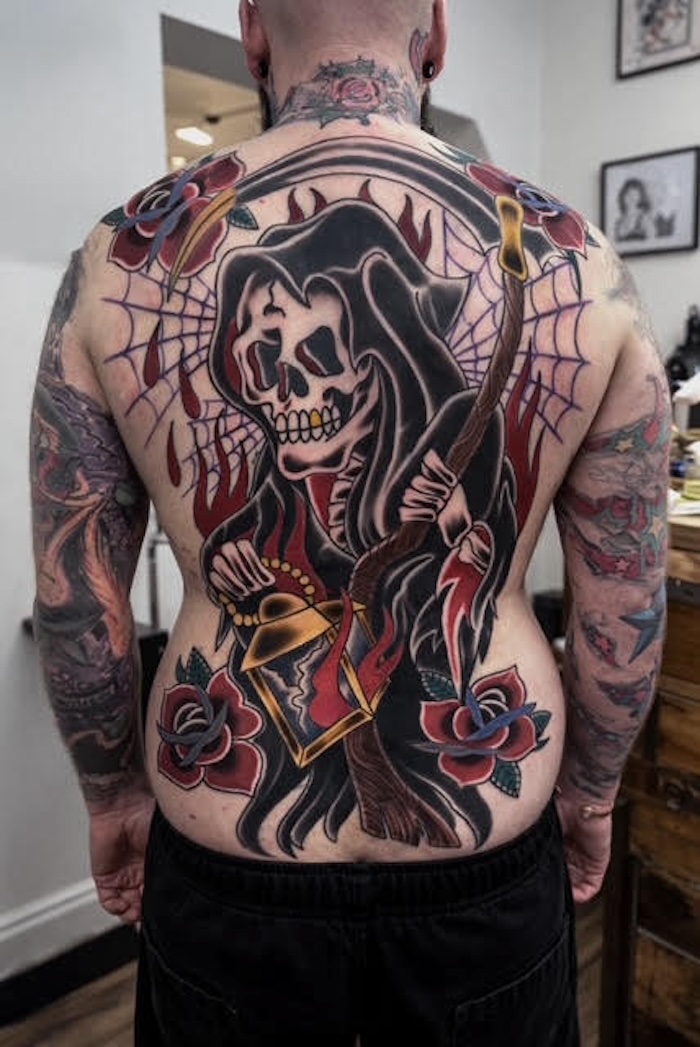
How much of the job happens outside of tattooing—managing bookings, administration, marketing, and customer relationships.
- How do you determine the price of a tattoo?
It depends on size, placement, detail, and how long the tattoo will take. Experience also plays a role.
- What’s the most challenging aspect of being a tattoo artist in 2026?
The industry is growing fast and competition is stronger than ever. To stand out, you have to keep evolving and maintain high standards.
- What’s the most rewarding aspect of being a tattoo artist?
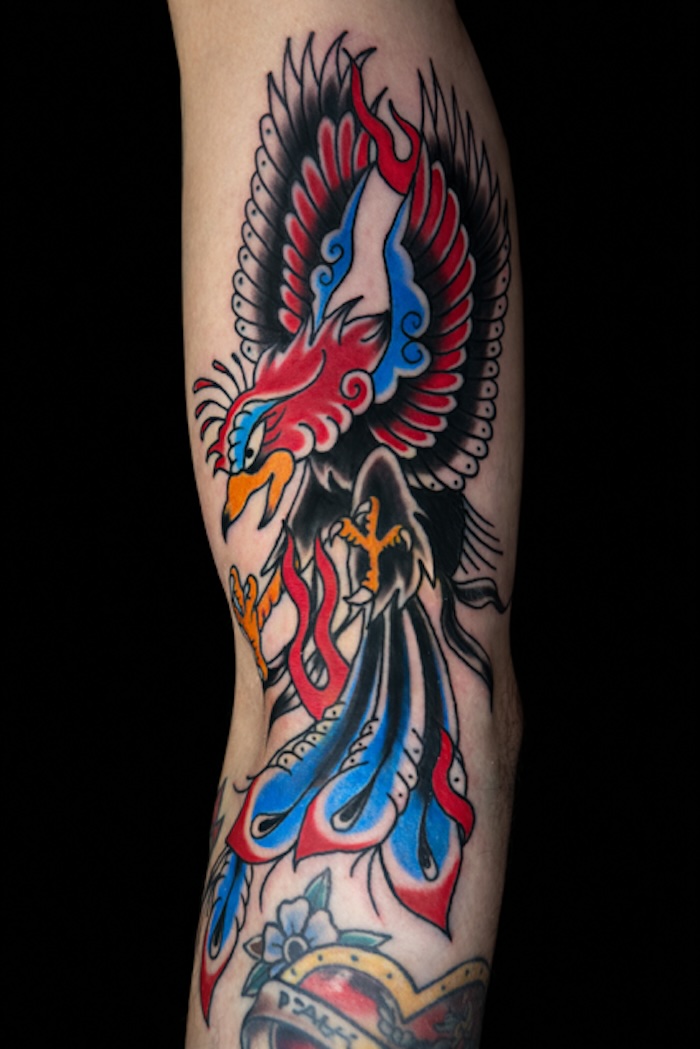
Seeing how much a tattoo means to someone. Creating something they’ll carry for life is incredibly rewarding.
- What tools and machines do you prefer to use?
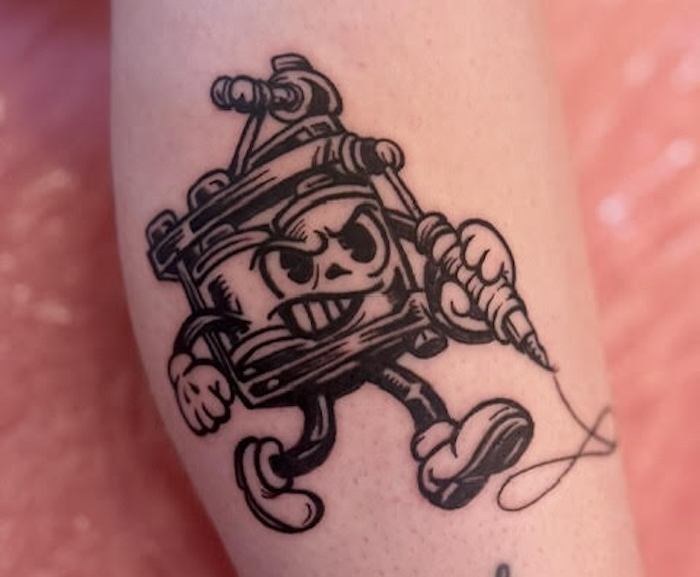
I mainly use the Cobra by Ink Machines and the Critical Torque. They’re reliable and suit the way I work.
- What’s your number one aftercare advice for clients?
Follow your artist’s aftercare instructions carefully and don’t rush the healing process.
- How would you define your current style, and how did you develop it?
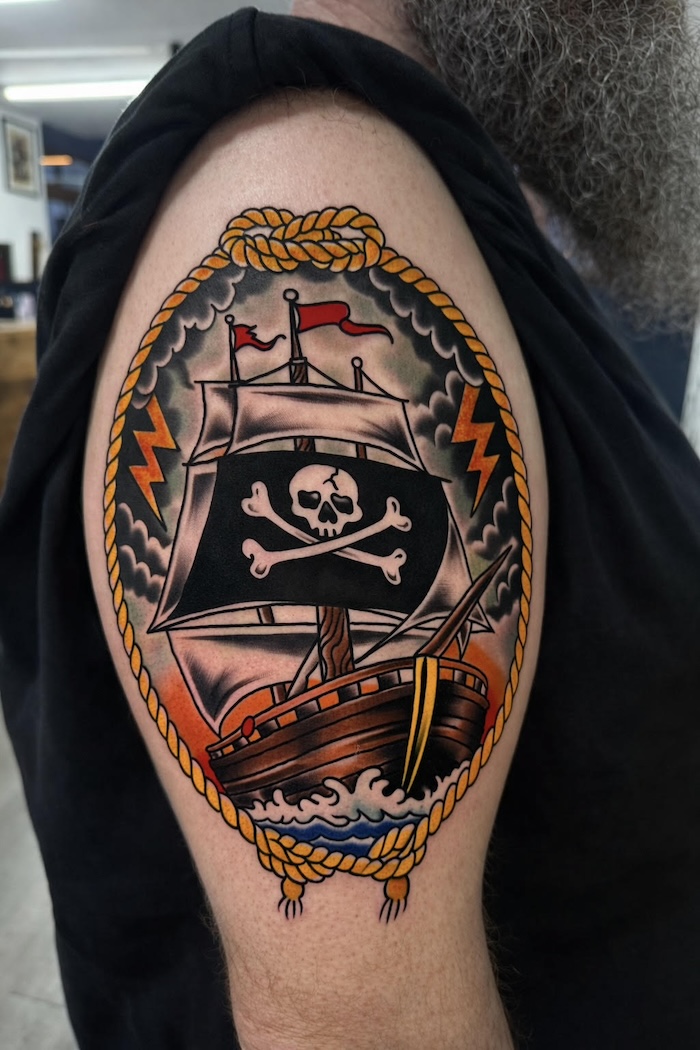
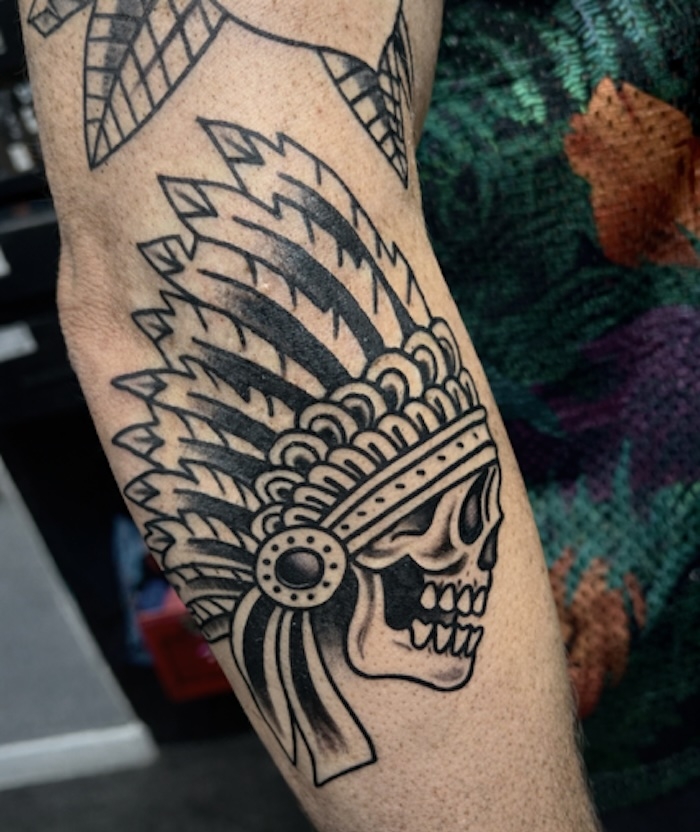
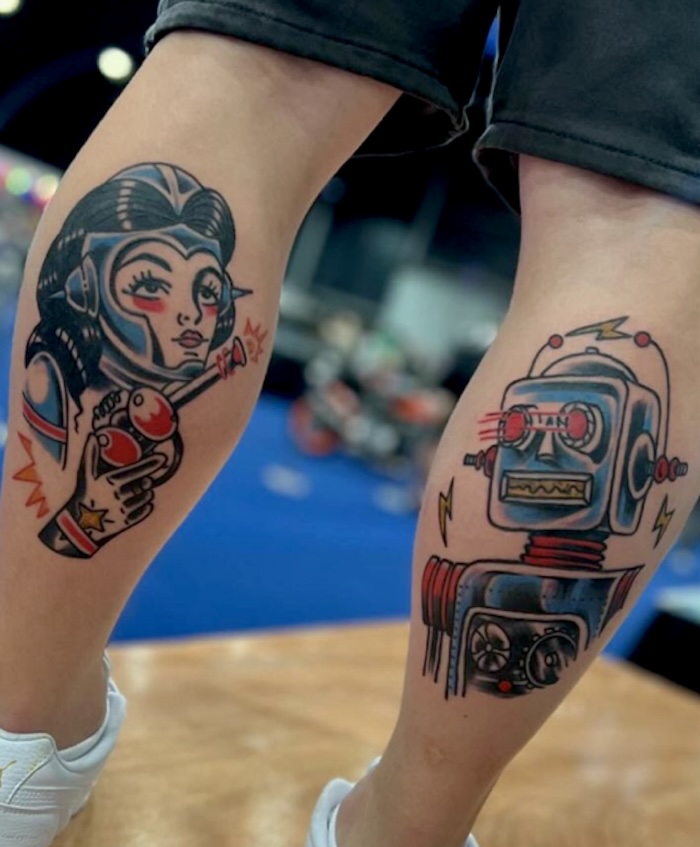
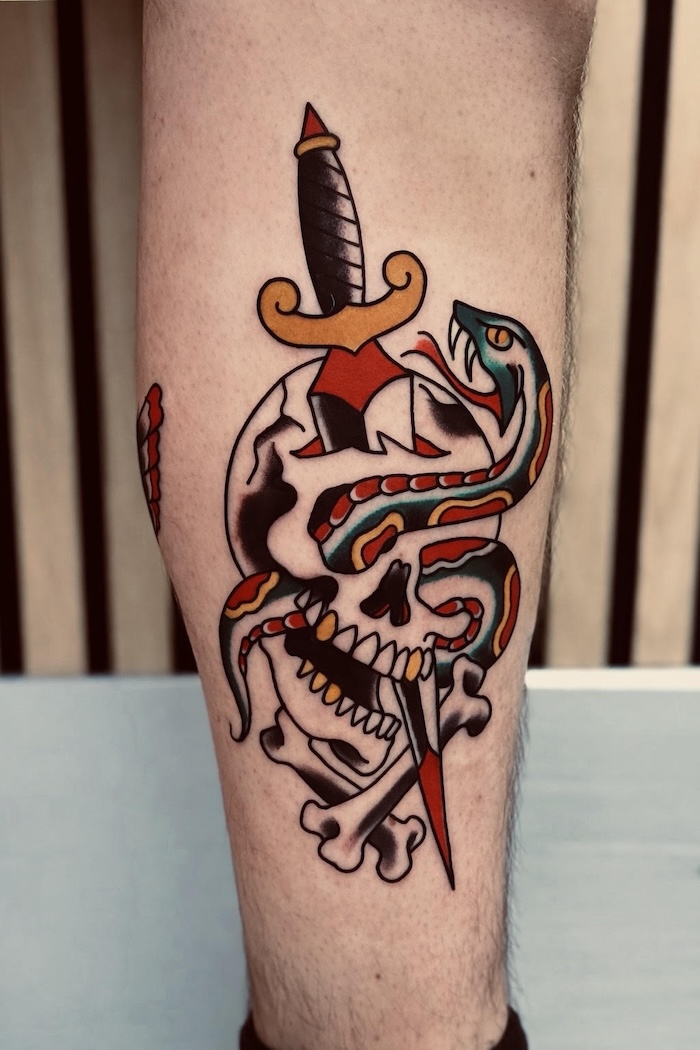
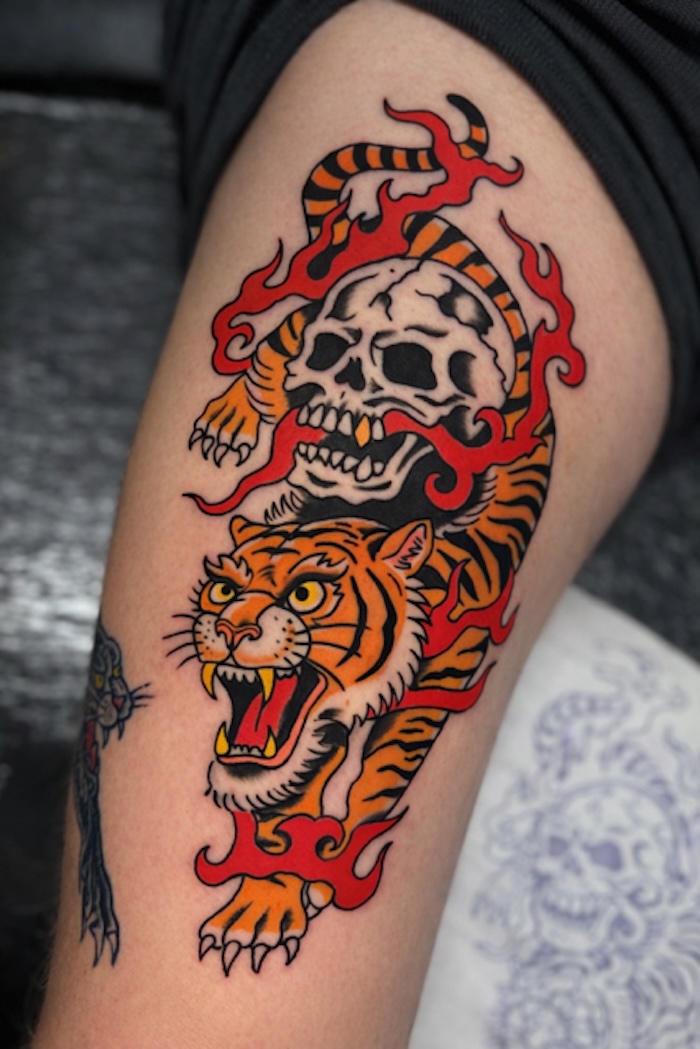
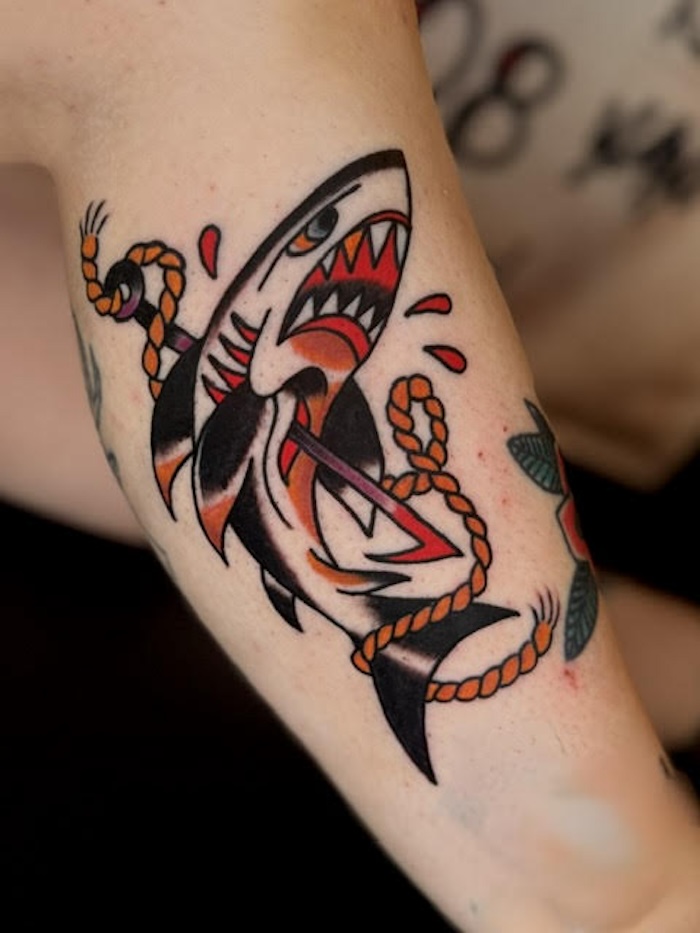
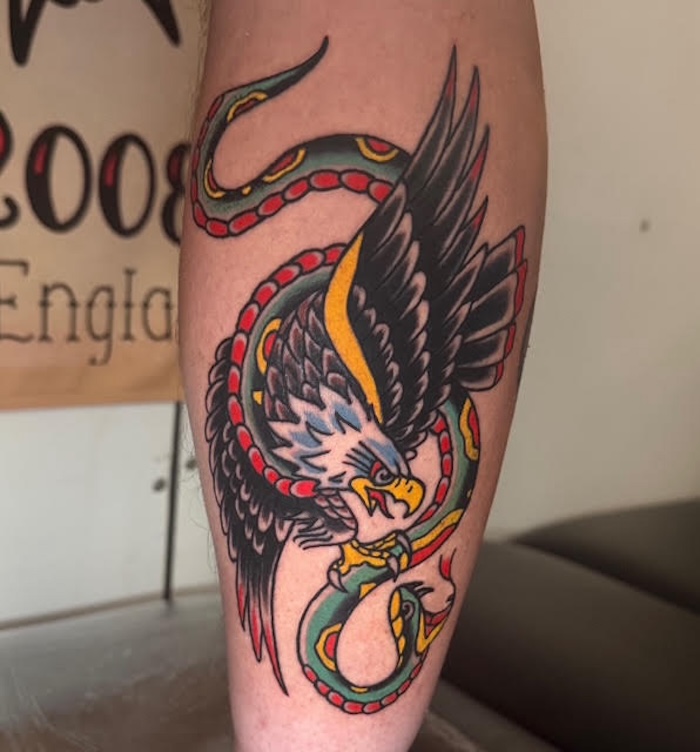
I’m an all-rounder, but my main focus now is traditional tattooing. I have a strong appreciation for the history and foundations of the craft.
- Please walk us through your process when starting a tattoo.
It starts with discussing the client’s idea, developing a design that works well as a tattoo, and making sure the placement and flow suit the body.
- How do you stay creatively inspired?
Looking at classic tattooing, studying other artists, attending conventions, and constantly drawing.
- How do you balance client requests with your artistic vision?
It’s about collaboration. I want the client to love the tattoo while guiding them toward something that works best artistically and technically.
- Are there any tattoo styles you’d like to explore more?
I enjoy learning from other styles, but traditional will always remain at the core of my work.
- What’s the most underrated tattoo style?
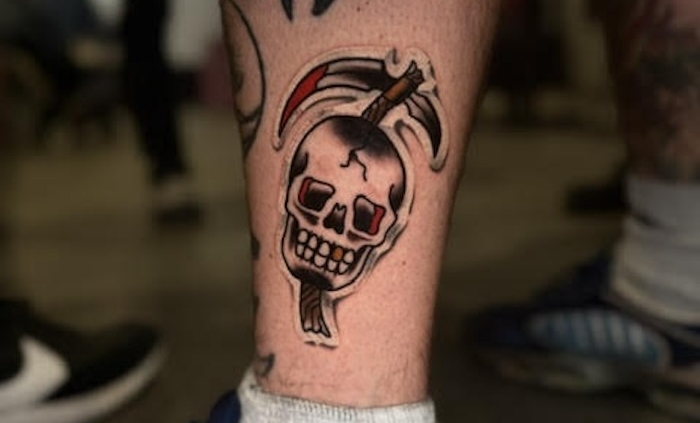
Older traditional styles. They don’t always get the attention they deserve, even though they form the foundation of modern tattooing.
- What’s the most overrated tattoo style?
Trends come and go, but solid fundamentals will always stand the test of time.
- Are there any tattoos you prefer not to do?
I focus on work that fits my style and strengths.
- Do you have sponsors? If yes, please tell us about them.
Yes, I’m proud to work with Barber DTS, Tattoo Spray by Inkeeze, and Dougie Butter.
- What kind of tattoo ethics are important to you?
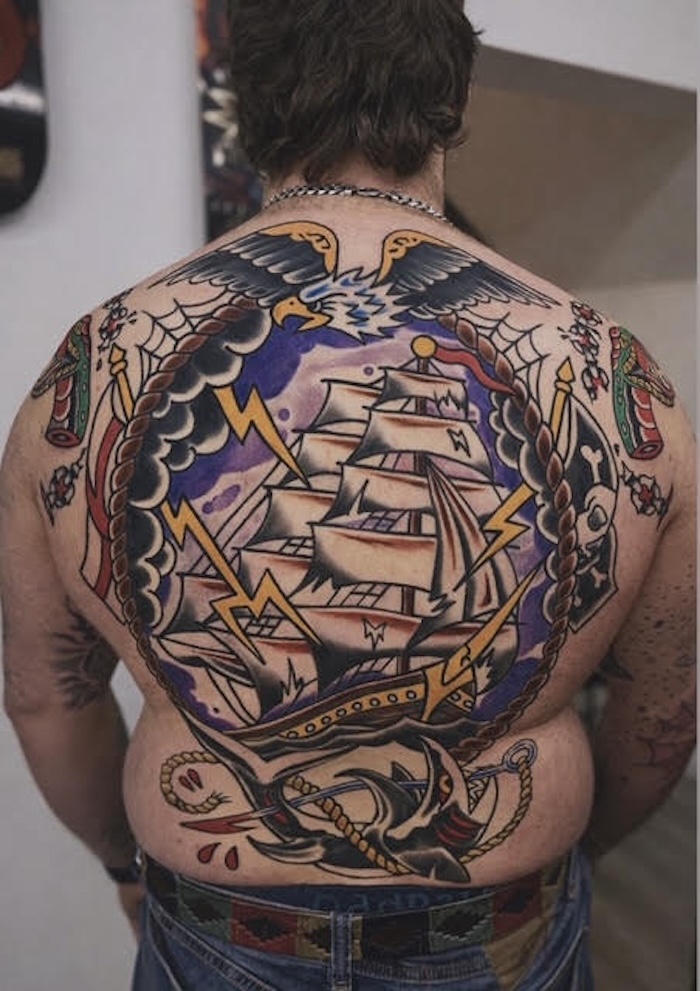
Respect for the craft, respect for other artists, and honesty with clients.
- What’s your favorite way to keep learning?
Drawing every day and learning from other artists through conventions and guest spots.
- Do you teach or mentor upcoming artists?
Yes, sharing knowledge and helping others grow is important.
- What’s the best advice you’ve received?
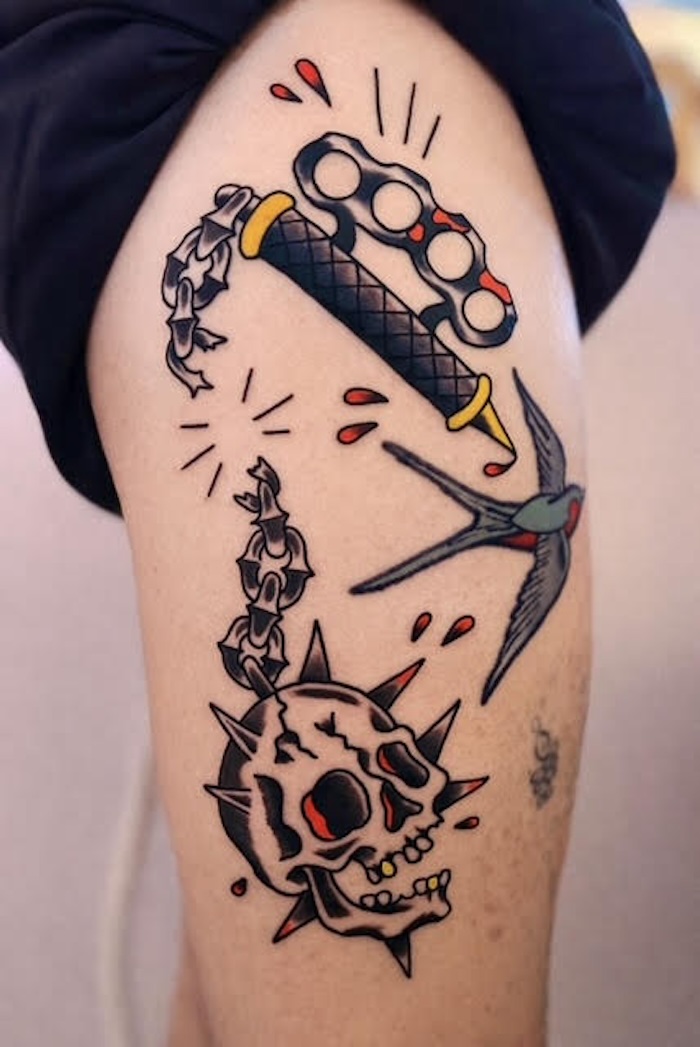
Never stop learning.
- How do you stay at the top of your game?
Constant practice, drawing, and pushing myself creatively.
- What separates a good tattoo artist from a great one?
Dedication, consistency, and respect for the craft.
- How do you feel about the growing acceptance of tattoos?
It’s great. The stigma has reduced massively, and tattoos are becoming more accepted in society.
- What’s the biggest misconception about tattoos?
People underestimate the skill, time, and dedication required to become a professional tattoo artist.
- What major trends have you noticed in the past five years
The industry has grown rapidly, with new styles and artists pushing boundaries.
- What is your opinion on AI in tattooing?
It can be useful for inspiration, but tattooing will always come down to the artist’s hand and creativity.
- If you could change one thing in the industry, what would it be?
Encouraging more respect for the craft and its history.
- What has been your experience with tattoo conventions?
They’re a great opportunity to meet artists, work with new clients, and showcase your work.
- How do you prepare for conventions?
Preparing designs, organizing equipment, and making sure everything is ready for busy days.
- What’s your main reason for attending conventions?
Networking with other artists and representing my work.
- Have you participated in tattoo contests?
Yes, I’ve won awards both nationally and internationally in traditional, new school, and Japanese categories.
- What is your greatest accomplishment as a tattoo artist?
Building Gardner Ink and maintaining a successful studio for over a decade.
- What advice would you give to someone considering a career in tattooing?
Be patient, work hard, and respect the craft. It takes years of dedication.
- What are your goals for the near future?
To keep improving as an artist, grow the studio, and continue traveling and tattooing.
- What legacy would you like to leave as an artist?
To be remembered as someone who respected the craft and contributed positively to the tattoo community.
- To close this awesome interview, what’s your last message to our readers?
Support your local artists, respect the craft, and wear your tattoos proudly.


Leave A Comment