

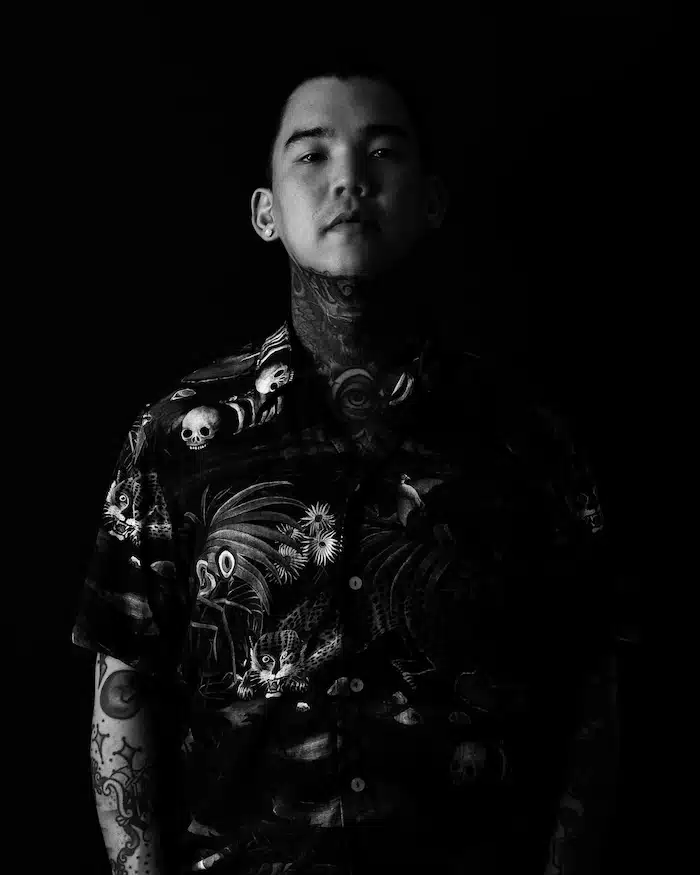
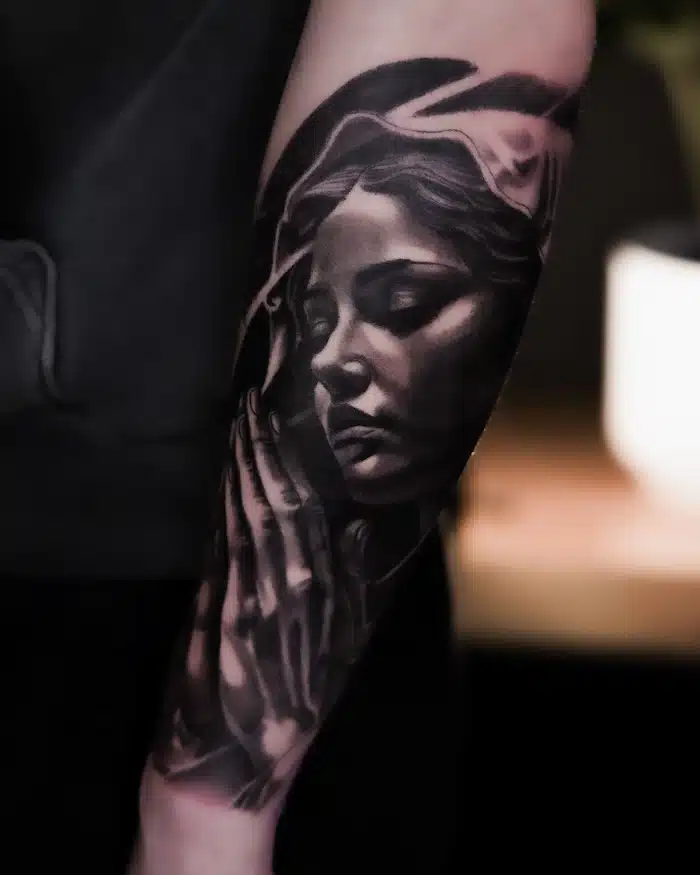
Jaehun Kim, professionally known as Jason Kim, is a Korean-born tattoo artist currently based in Texas, USA, specializing in black and grey realism. His work is recognized for its smooth tonal transitions, strong contrast, and emotional depth, combining technical precision with storytelling that feels personal and timeless. For Jason, tattooing is more than creating visually strong imagery—it is about building meaningful work that becomes part of a client’s identity and life experience.
With more than a decade of experience, Jason has developed his craft through discipline, constant study, and dedication to artistic growth. Influenced by traditional art forms such as sculpture, painting, photography, and composition, he approaches tattooing with a deep respect for fundamentals, skin longevity, and emotional impact. His journey from Korea to the United States, along with his experience at international conventions and competitions, has helped shape both his artistic perspective and professional identity.
Beyond technical skill, Jason values honesty, patience, and responsibility within tattooing. He believes great tattooing comes from understanding not only design and technique, but also the client, the body, and the long-term result of the work. Looking ahead, he aims to continue growing internationally, explore color realism more deeply, and create tattoos that remain meaningful and powerful for years to come.
Let’s step into his world.
- How would you like to introduce yourself?
My name is Jaehun Kim, also professionally known as Jason Kim. I am a Korean-born tattoo artist currently based in Texas, USA. I specialize mainly in black and grey realism, focusing on depth, smooth tonal transitions, strong contrast, and emotional storytelling through the human body.
For me, tattooing is not only about creating a beautiful image. It is about creating something personal, permanent, and meaningful for each client.
- How would you define yourself in one word?
Disciplined.
I believe talent is important, but discipline is what allows an artist to keep growing. Tattooing requires patience, repetition, focus, and respect for the craft every single day.
- What does tattooing mean to you personally?
Tattooing means responsibility to me. Every tattoo becomes part of someone’s body and identity, so I take that seriously. It is also a way for me to communicate emotion, memory, and beauty through art.
For me, tattooing is a lifelong study. I am always learning more about composition, contrast, anatomy, light, and emotion.
- At what point in your life did you decide to become a professional tattoo artist?
I decided to become a professional tattoo artist when I realized that tattooing was not just something I liked, but something I wanted to dedicate my life to. Over time, I became more serious about the craft and understood that this path requires full commitment.
I have now been tattooing for over 10 years, and for the past several years, I have focused deeply on black and grey realism.
- Did you go through an apprenticeship? How was that experience?
Yes, I went through training and early experience in Korea. That period taught me the foundations of tattooing: discipline, cleanliness, patience, and respect for the process.
My mentors played a meaningful role in my journey. They were not just teachers, but like family and brothers to me. They guided me, challenged me, and helped me understand that tattooing is not only about technique, but also about attitude and responsibility.
In the beginning, I explored different styles such as old school, fine line, and new school, but over time, I naturally became more drawn to realism, especially black and grey work.
- What is one surprising aspect of being a tattoo artist?
One surprising aspect is how much emotional connection is involved. Many clients come with deeply personal stories, memories, or meanings behind their tattoos. As artists, we are not only applying ink—we are helping people express something important in a visual way.
- What’s the most rewarding aspect of being a tattoo artist?
The most rewarding part is seeing the client’s reaction after the tattoo is finished. When they feel proud, emotional, or deeply connected to the piece, it reminds me why I chose this path.
For me, tattooing is not just about creating an image. It is about helping someone carry a story, memory, or feeling with them.
- What’s the most challenging aspect of being a tattoo artist in 2026??
One of the most challenging aspects in 2026 is balancing visibility with authenticity. Today, tattoo artists have to share their work online, keep up with trends, and stay present on social media, but at the same time, the real foundation of tattooing has not changed.
A good tattoo still needs strong technique, good design, clean execution, and proper healing. My challenge is to keep growing without losing the reason I started tattooing in the first place.

- How would you define your current tattoo style, and how did you end up focusing on it?
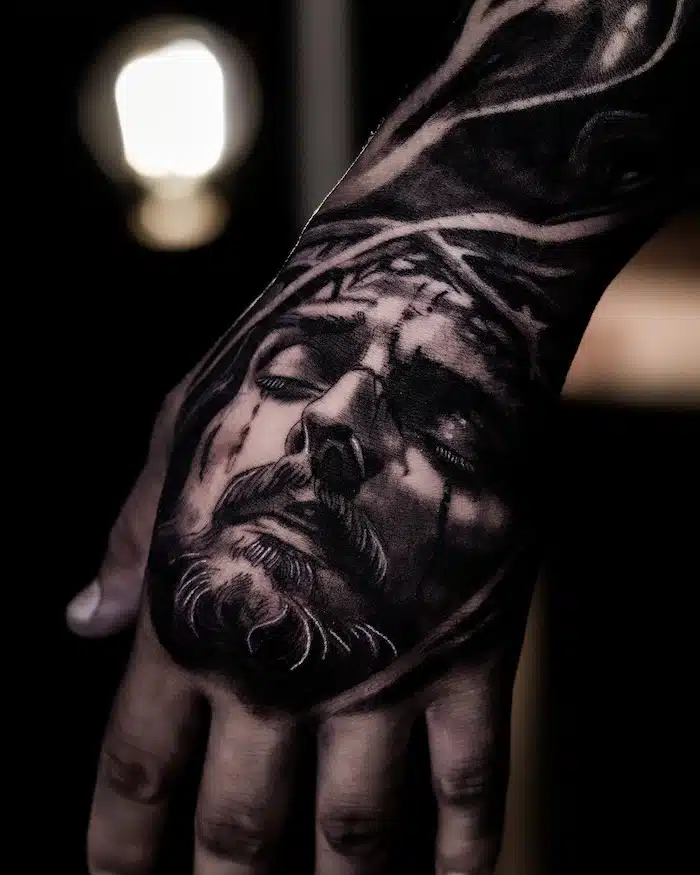
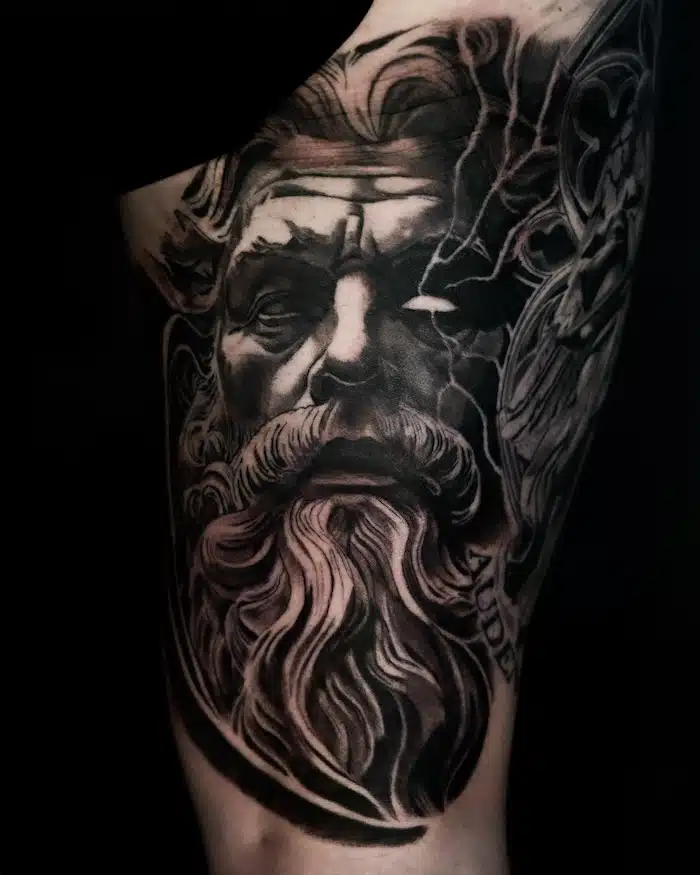
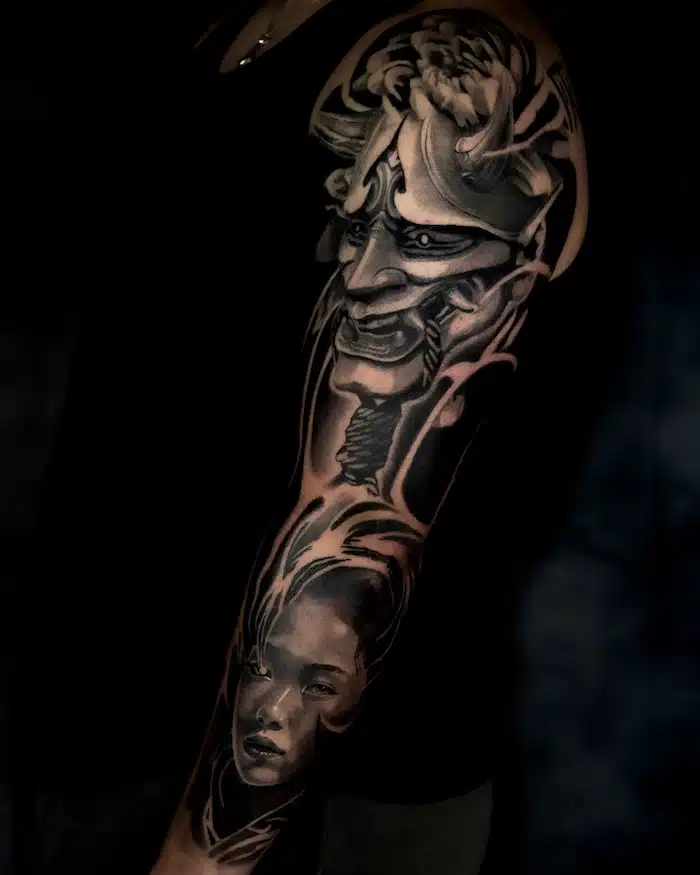
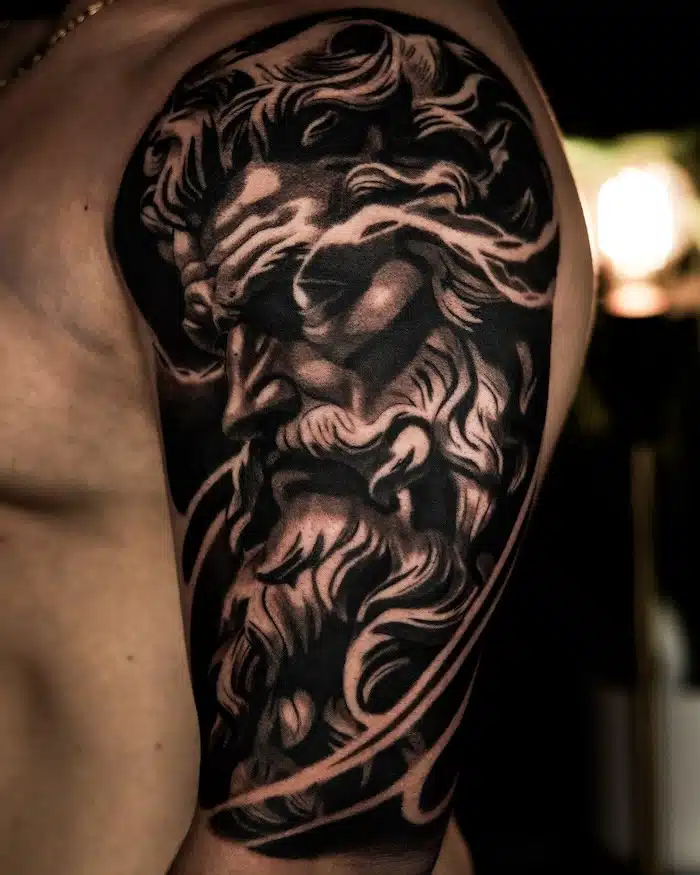
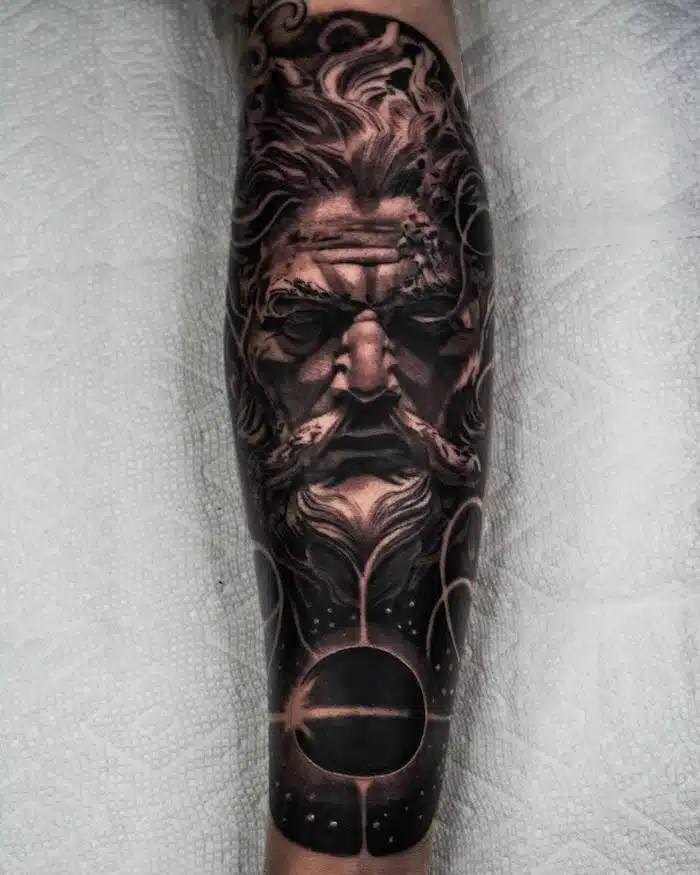
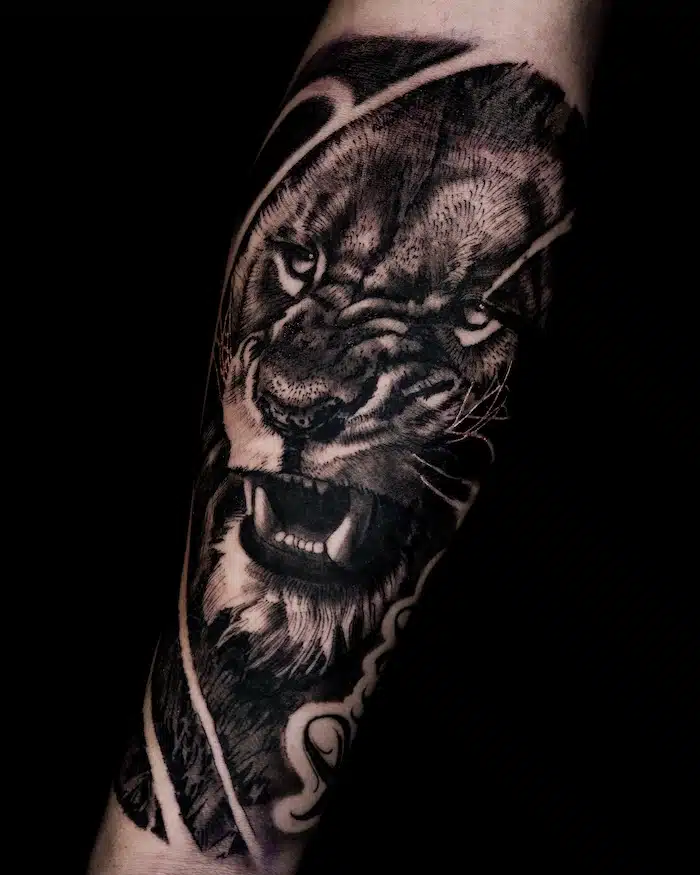
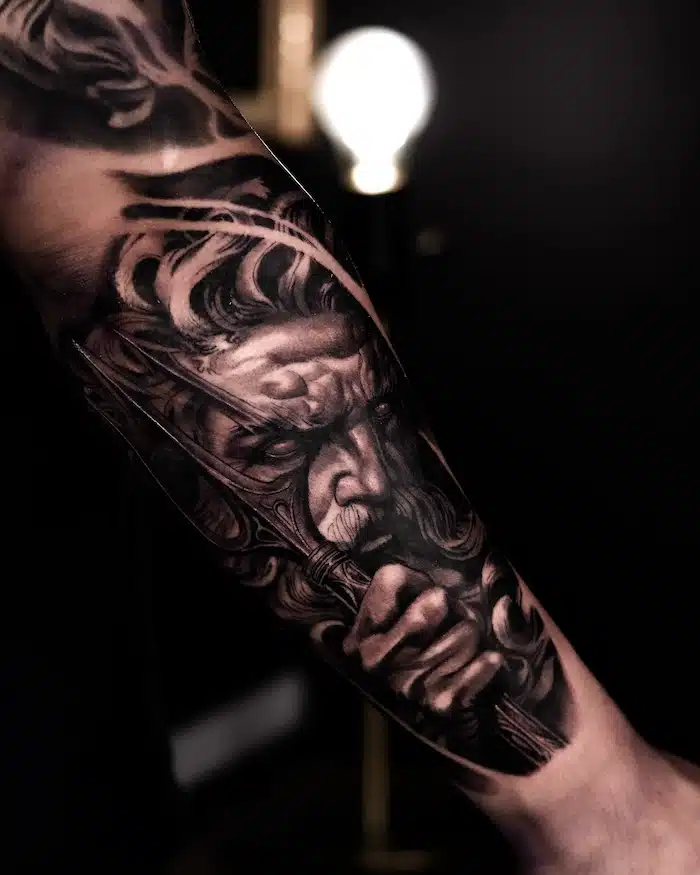
My current style is black and grey realism. I focus on smooth tonal transitions, strong contrast, emotional expression, and designs that flow naturally with the body.
I ended up focusing on this style because I am drawn to depth, light, shadow, and emotion. Black and grey realism allows me to create a timeless feeling that can be powerful, soft, dramatic, and elegant at the same time.
- Please walk us through your process when you start a new tattoo for your clients.
My process usually starts with an in-person consultation. I listen to the client’s idea, look at their references, and discuss placement, size, meaning, and overall direction.
After that, I think carefully about how to make the design work naturally on the body. I care a lot about flow, contrast, readability, and how the tattoo will age over time. During the tattoo session, I built the piece carefully through structure, value, and smooth shading.

- How do you stay creatively inspired?
I stay inspired by studying many forms of art, not only tattoos. I look at classical sculpture, painting, photography, lighting, and composition. I believe tattoo artists can learn a lot from traditional art forms.
I also stay inspired by my clients’ stories. Sometimes the meaning behind a tattoo gives me the strongest creative direction.
- Are there any tattoo styles you’d like to explore more?
Yes. I would like to explore more color realism in the future. My foundation is black and grey realism, but I am interested in studying color theory, painting techniques, and how to create strong, realistic color tattoos with depth and longevity.
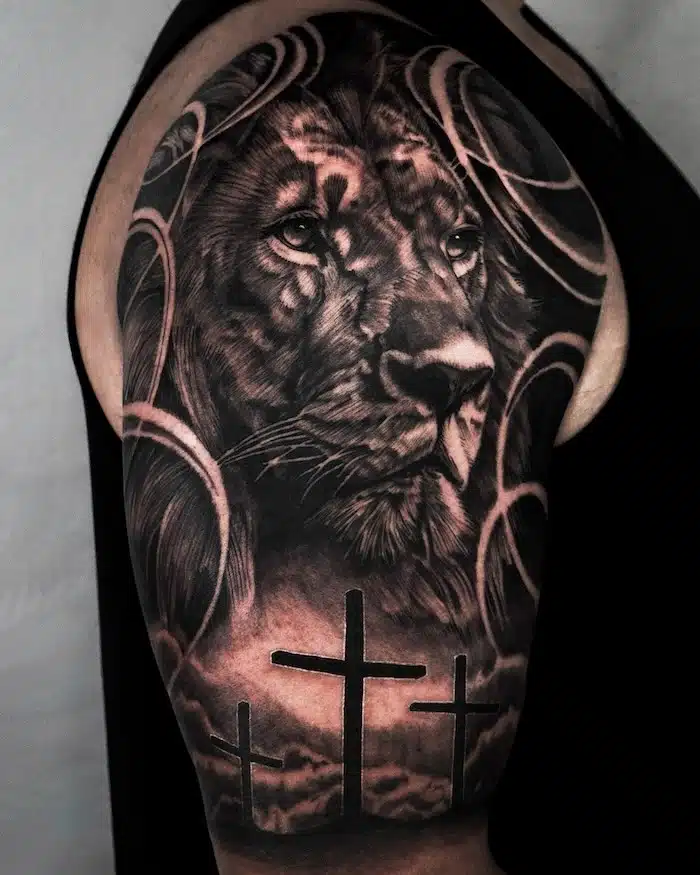
- Are there any tattoos you prefer not to do?
I prefer not to do tattoos that I believe will not heal well, age well, or fit the client properly. I also avoid designs that are offensive or harmful.
As artists, we have a responsibility to be honest with clients, even when that means saying no.
- As a tattoo artist, what tattoo ethics are important to you?
Honesty, cleanliness, respect, and responsibility are very important to me. A tattoo artist should be honest about what is possible, maintain a clean and safe environment, respect the client’s body, and create work that will age well.
I believe good ethics are just as important as good technique.
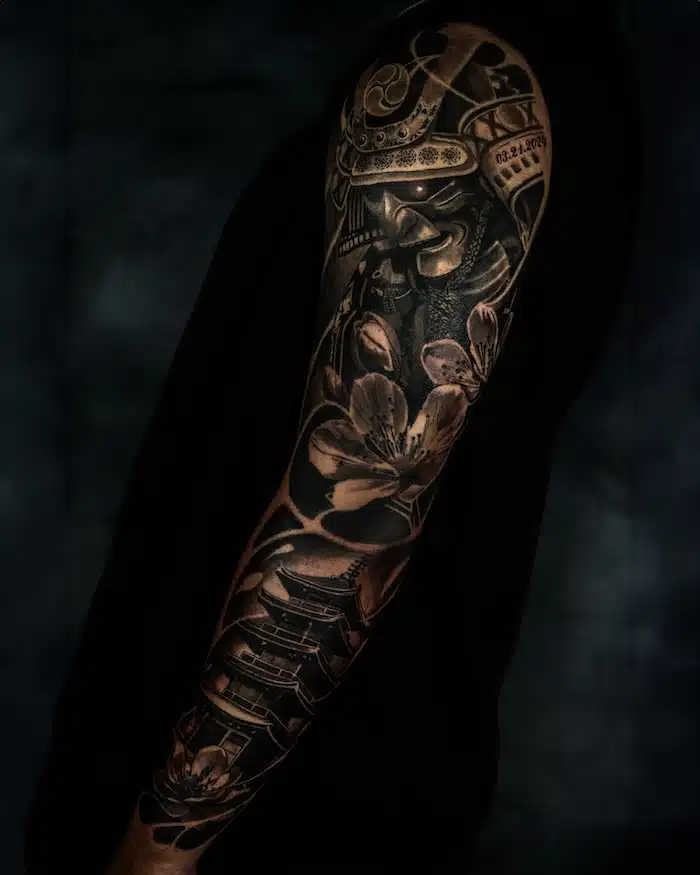
- Being a successful tattoo artist requires many different skills. What’s your favorite way to keep learning?
My favorite way to keep learning is by studying fundamentals. I constantly study contrast, composition, anatomy, values, and lighting. I also learn by observing healed tattoos, because healed work shows the real quality of a tattoo.
Tattooing is not only about what looks good on the first day. It is about what remains strong after healing.
- What’s the best piece of advice you ever received to improve your tattooing technique?
One of the best lessons I learned is to slow down and focus on control. Speed is not the most important thing. Clean technique, patience, and understanding the skin are much more valuable.
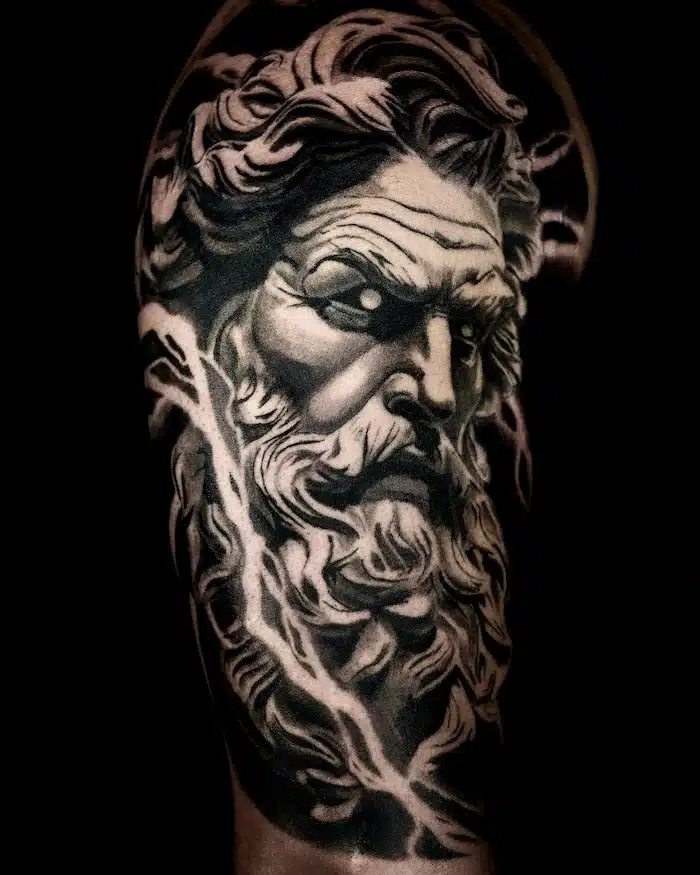
- How do you stay at the top of your game?
I stay consistent. I tattoo, study, review my work, take photos, look at healed results, and keep improving small details. I try not to become too comfortable.
In tattooing, the moment you think you know everything is the moment you stop growing.
- What do you think separates a good tattoo artist from a great one?
A good tattoo artist can make a nice tattoo. A great tattoo artist understands the client, the body, the skin, the design, and the long-term result.
Great artists also keep learning. They are not only technical. They have vision, discipline, and responsibility.
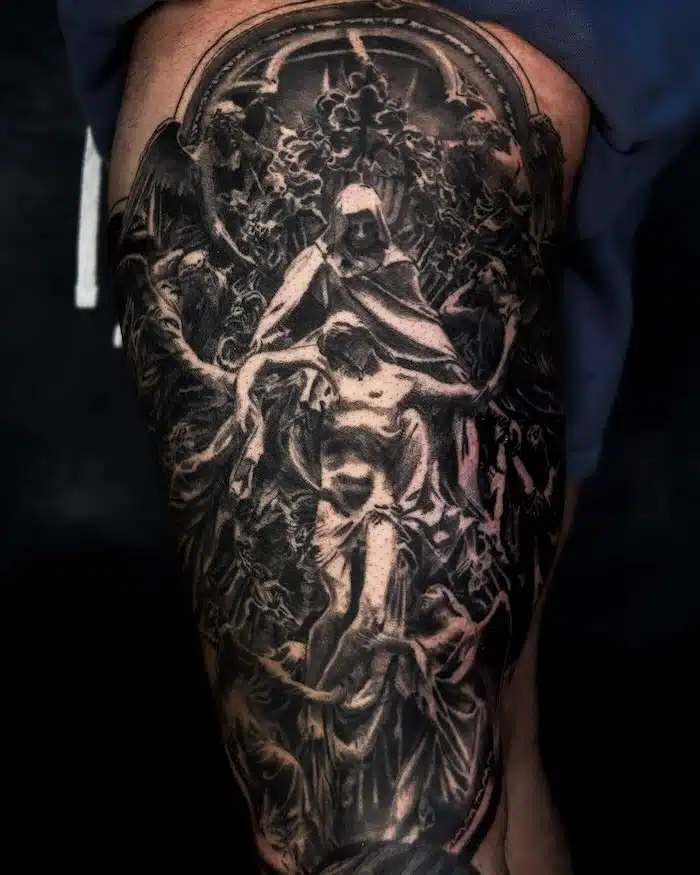
- How do you feel about the growing acceptance of tattoos in society?
I think it is a positive change. Tattoos are now seen more as art, personal expression, and culture. More people from different backgrounds are getting tattooed, and that helps the industry grow.
At the same time, I think artists should continue to protect the seriousness and quality of the craft.
- What’s the biggest misconception that clients may have about tattoos?
One misconception is that every design can be done exactly the same as a reference image. Tattooing is different from printing because skin has texture, movement, and aging.
A good tattoo design has to be adjusted for the body, placement, size, and long-term readability.
- Do you do other forms of art besides tattooing?
Yes. I study drawing, painting, digital design, photography, and composition. All of these support my tattoo work. I believe every form of visual study can make me a better tattoo artist.
- What’s your experience at tattoo conventions so far?
Tattoo conventions have been very important in my career. Early in my journey, I traveled to conventions in places such as Hong Kong, India, and Europe, where I had the opportunity to meet legendary tattoo artists, observe their work closely, and learn from the way they approached each piece.
Those experiences helped me understand tattooing from a more global perspective. Conventions allow me to challenge myself, share my work with a wider audience, and connect with artists from different backgrounds who share the same dedication to the craft.
- Have you ever had the opportunity to participate in any tattoo contests? Did you receive any awards?
Yes. I have participated in tattoo contests and conventions throughout my career. One of my important achievements was winning Best of the Day at the Palm City Tattoo Expo in 2024.
I also received 2nd Place in Black and Grey Tattoo at the Heat Wave Tattoo Expo in 2022, and 2nd Place in Small Color at the HeartWork Tattoo Festival in New Delhi, India, in 2019.
These experiences were meaningful because they helped me grow, gain confidence, and connect with the international tattoo community.
- Was there any event in particular that really boosted your career?
The Palm City Tattoo Expo was an important event for me. Winning Best of the Day there helped me gain more recognition, and later, I also had the opportunity to participate as a judge at the Palm City Tattoo Convention.
That experience was meaningful because it showed my growth not only as an artist but also as someone trusted to evaluate other artists’ work.
- What is your greatest accomplishment as a tattoo artist?
My greatest accomplishment is building a career across different countries and continuing to grow as an artist. Coming from Korea and now working in the United States has not always been easy, but it has shaped me both personally and professionally.
Awards and recognition are meaningful, but the most important accomplishment is earning the trust of my clients and continuing to improve every year.
- What advice would you offer to someone considering a career as a tattoo artist?
Do not choose tattooing because it looks easy or cool from the outside. Tattooing requires discipline, patience, sacrifice, and constant learning.
Study art fundamentals, respect the skin, respect your clients, and stay humble. If you truly love the craft, keep going even when it becomes difficult.
- What are your goals or dreams for the near future?
My goal is to continue growing as an international tattoo artist, expand my recognition, attend more conventions, and keep developing my black and grey realism work. I also want to explore color realism more deeply in the future.
Most importantly, I want to keep creating tattoos that are meaningful, timeless, and technically strong.
- What legacy do you want to leave as a tattoo artist?
I want to be remembered as an artist who was disciplined, sincere, and always dedicated to growth. I want my work to carry emotion and quality, not just style.
If my tattoos can stay meaningful to my clients for many years, that is the legacy I want to leave.
- To close this awesome interview, what’s your last message to our readers?
Thank you to everyone who supports tattoo artists and tattoo culture. Tattooing has changed my life, and I am grateful for every client, artist, and experience that has helped me grow.
To the readers: choose your artists carefully, respect the process, and remember that a good tattoo is not only decoration—it can become part of your story.
 |

Leave A Comment