

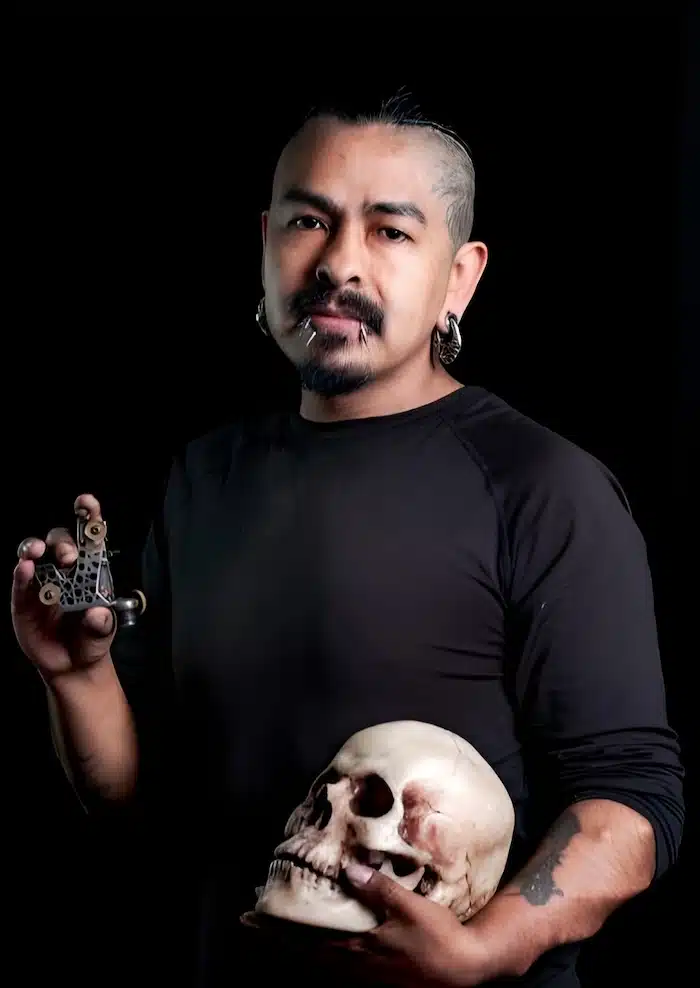
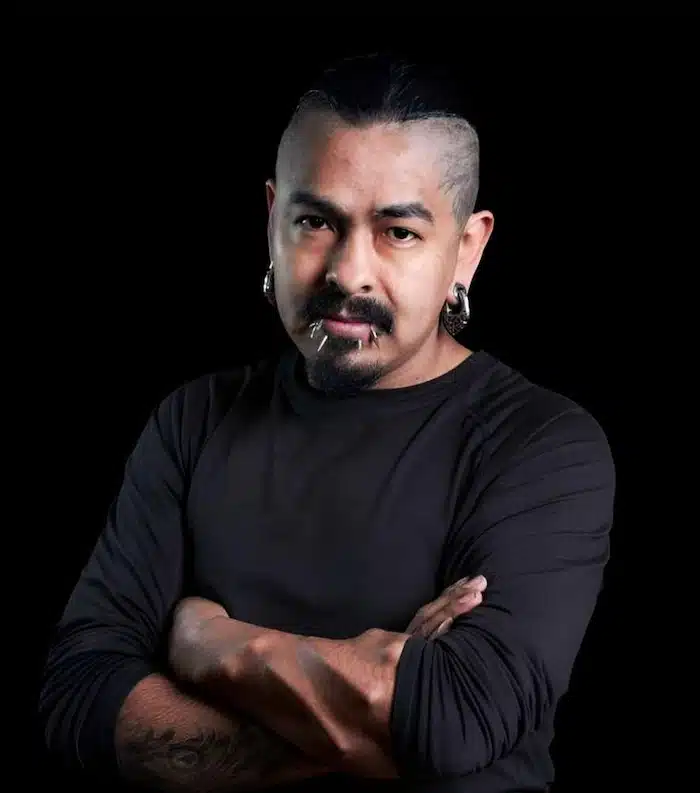
Elvis Sossa is the owner of Cochabamba Ink and organizer of the Cochabamba Tattoo Fest. This Bolivian tattoo artist has built a career defined by constant evolution, technical discipline, and artistic ambition. For him, tattooing is more than a profession – it is a transformative force that changed the direction of his life and became his purpose.
Inspired by the idea of turning drawings into living, permanent art, Elvis approaches tattooing as both a creative and technical craft. His background in machine mechanics and equipment maintenance gives him a unique understanding of the tools behind the art, while his passion for travel, conventions, and cultural exchange continues to shape his growth as an artist. Through years of international experience and recognition, he has helped elevate the visibility and professional reputation of tattooing in Bolivia.
Beyond his personal career, Elvis is deeply committed to mentoring younger artists and helping professionalize the tattoo industry in his country. Through education, conventions, and community-building, he hopes to leave behind a legacy not only as a successful artist but as someone who opened doors for future generations and proved that Bolivian tattooing can compete on the world stage.
Let’s step into his world.
- How would you like to introduce yourself?
My name is Elvis Sossa, an artist passionate about technical evolution, the owner of my own studio, and someone who believes tattooing is “walking art” that connects people around the world.
- Where can your clients find you?
In the city of Cochabamba, Bolivia, at my studio, Cochabamba Ink.
- How would you describe the tattoo scene in your country currently?
It is experiencing incredible professional growth. We are breaking stigmas and proving that Bolivia has a technical level capable of competing on any international stage.
- How would you define yourself in one word?
Evolution.
- Where did your fascination with tattoos come from?
From the curiosity of bringing drawing onto a permanent and living canvas, and seeing how a piece of art can leave a closed room and travel through the world on someone’s skin.
- What does tattooing mean to you personally?
It is my life’s purpose and the tool that allowed me to transform my destiny, moving from construction work into the arts.
- At what point in your life did you decide to become a professional tattoo artist?
In Argentina, after attending a convention in Buenos Aires. There, I realized tattooing was a universal artistic language, and I decided that was what I wanted to dedicate my life to.
- How did your family react when you started a career in tattooing?
I come from a very traditional family where tattoos were heavily judged. My brother, Yuri Sossa, was the one who broke that barrier by getting tattooed first and encouraging me to pursue it because he always knew I loved drawing.
- Did you do an apprenticeship? What was that experience like?
Yes, I was fortunate to be guided by Guillermo Caldentey from Canserbero Tattoo Supply. It was a fundamental experience where I learned not only about tattooing itself, but also about machine mechanics and equipment maintenance.
- What did your first tattoo look like?
It was a process full of nerves and curiosity. At the time, I didn’t even know how to connect the equipment properly, but I had the determination to create the best drawing possible on skin.
- Do you usually do guest spots? If yes, what’s your experience in doing them?
Yes, I’ve worked in several countries. Traveling opens your mind and allows you to absorb techniques and perspectives that cannot be learned any other way.
- As a tattoo artist, what does your daily work routine look like?
My day starts around 10:00 AM at the studio, coordinating with my team and reception staff. From there, my time is divided between managing the studio, preparing designs, and giving personalized attention to clients.
- What is one surprising aspect of being a tattoo artist?
The resilience people can develop and how a tattoo can completely change someone’s confidence and perception of their own body.
- How do you determine the price of a tattoo?
Based on the complexity of the design, size, and execution time, always prioritizing quality over speed.
- What is the biggest challenge of being a tattoo artist in 2026?
Remaining authentic in an era of visual saturation while helping clients understand and appreciate the artistic process behind each tattoo.
- What is the most rewarding aspect about being a tattoo artist?
Seeing my work travel through different cities and countries on my clients’ skin.
- What tools and machines do you prefer to use?
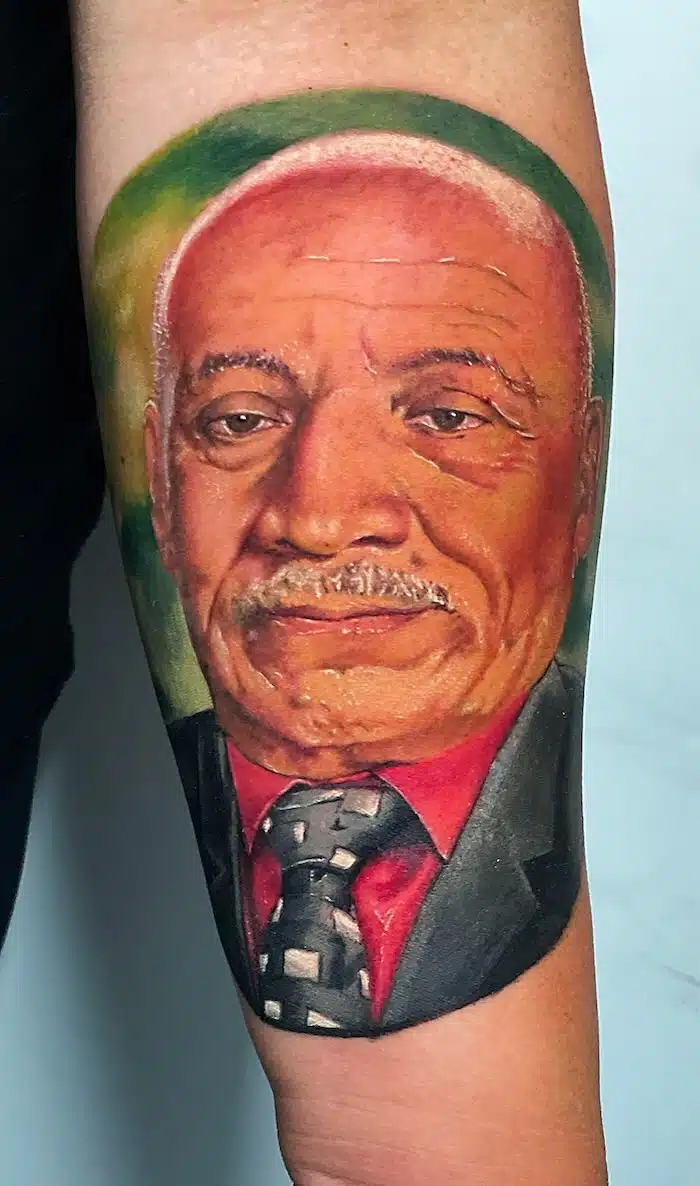
Thanks to my technical training, I’m very versatile. I work with both pen-style machines and classic coil machines. My philosophy is simple: “It’s not the arrow, it’s the Indian.”
- What’s your number one aftercare advice for clients?
Impeccable hygiene and patience. A great tattoo is 50% the artist and 50% the care the client gives it afterward.
- How would you define your current tattoo style, and how did you end up focusing on it?
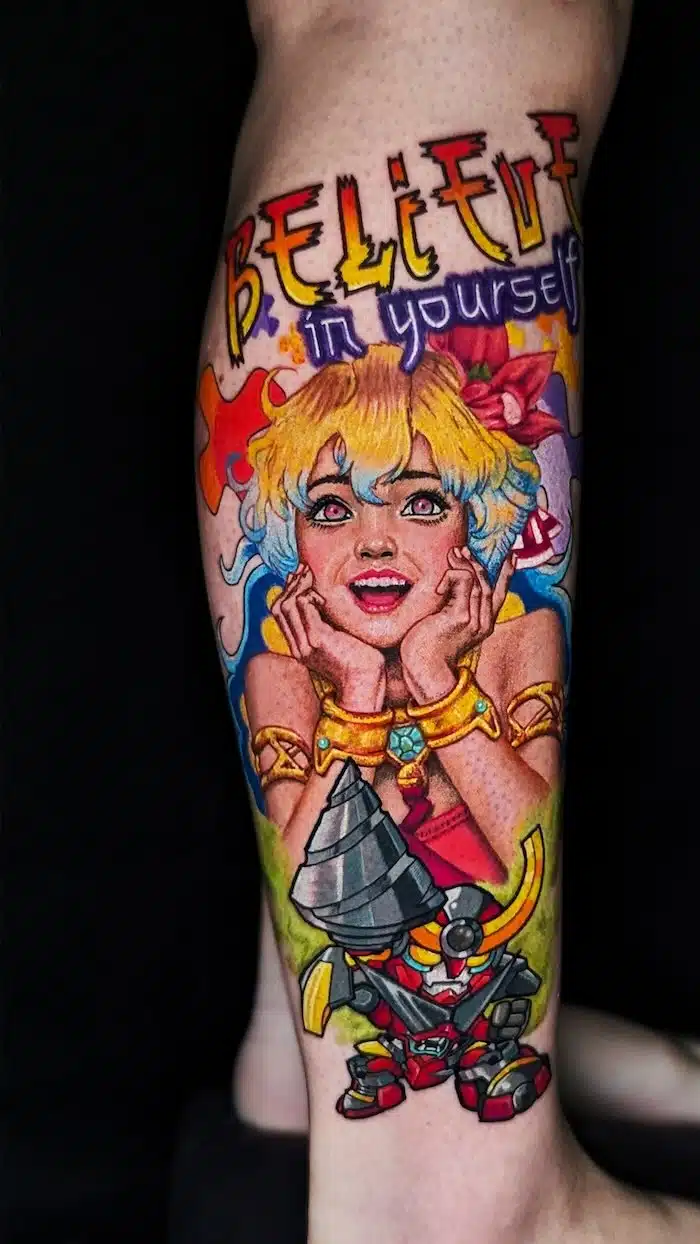
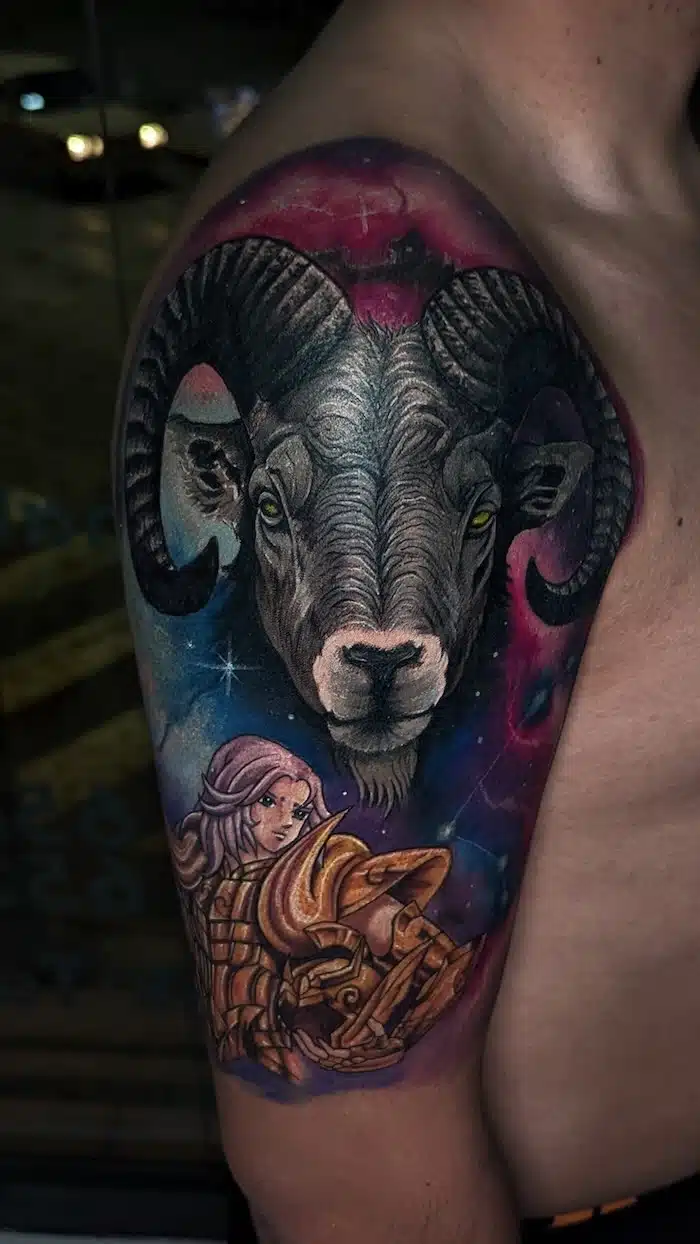
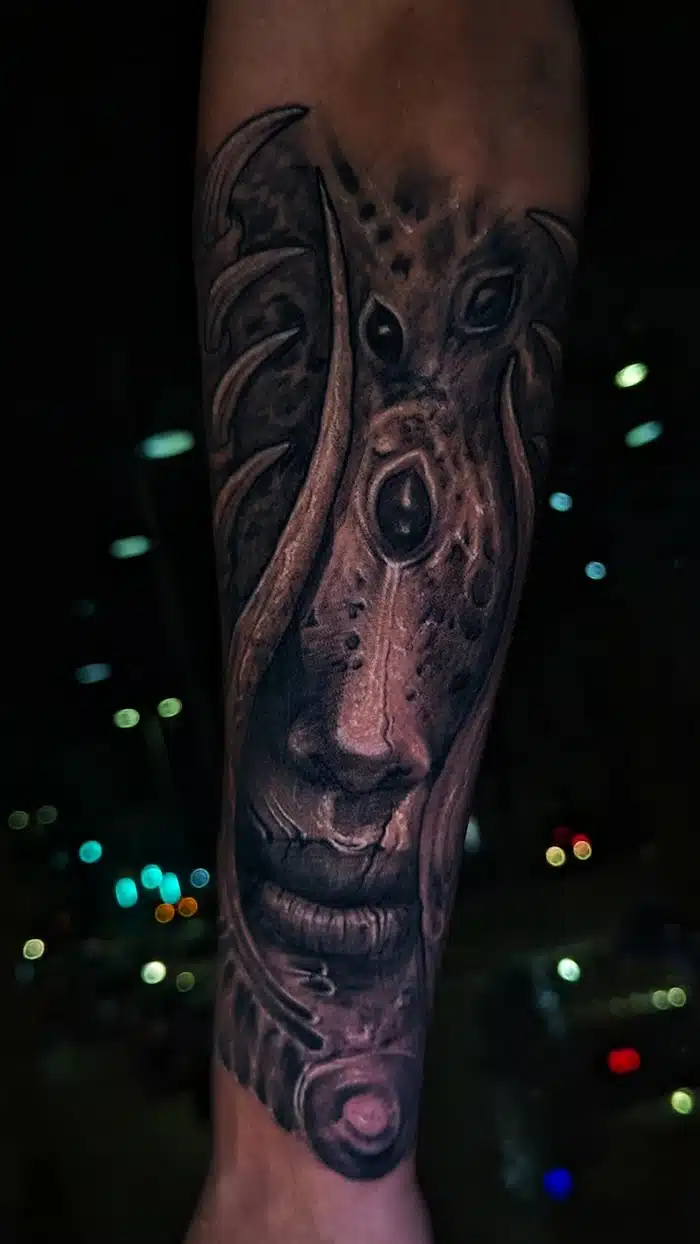
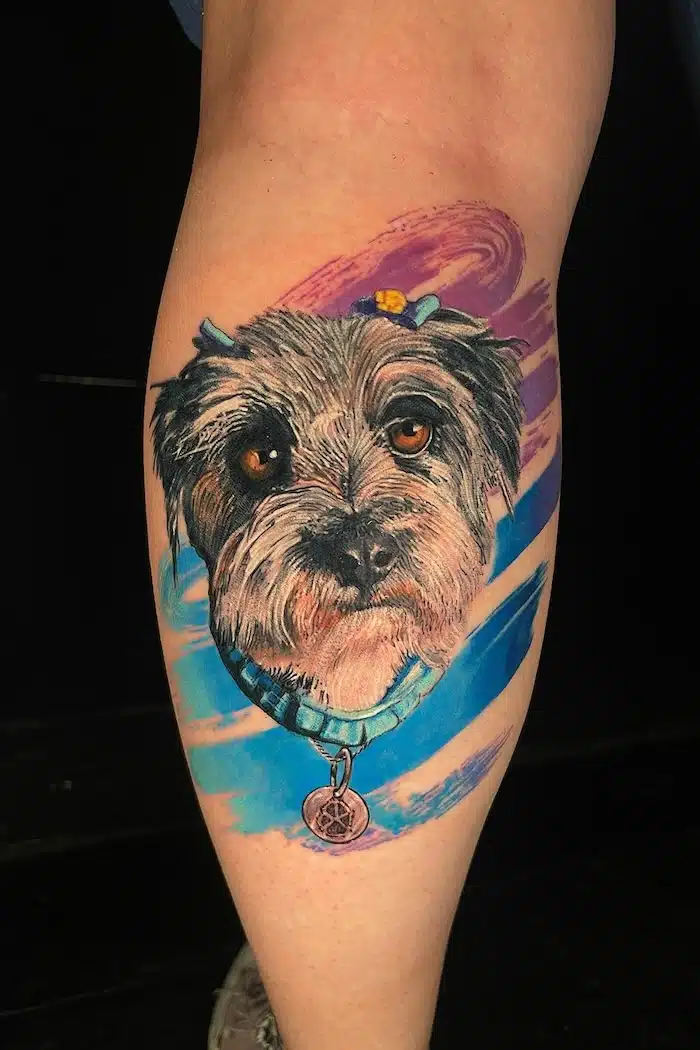
It’s a freestyle approach in constant evolution, where I fuse techniques from multiple styles into one piece to create something unique.
- Please walk us through your process when you start a new tattoo for your clients.
I begin by taking a photo of the body area to analyze the anatomy. Then I listen carefully to the client’s references and ideas before digitally building compositions directly over the skin to provide different options.
- How do you stay creatively inspired?
By exploring other branches of art, traveling, and constantly studying new technologies and materials.
- How do you balance client requests with your artistic vision?
Through communication. I explain how certain technical adjustments can improve the tattoo visually and help it age better over time, creating a balance between the client’s idea and professional execution.
- Is there a tattoo style you would like to explore more?
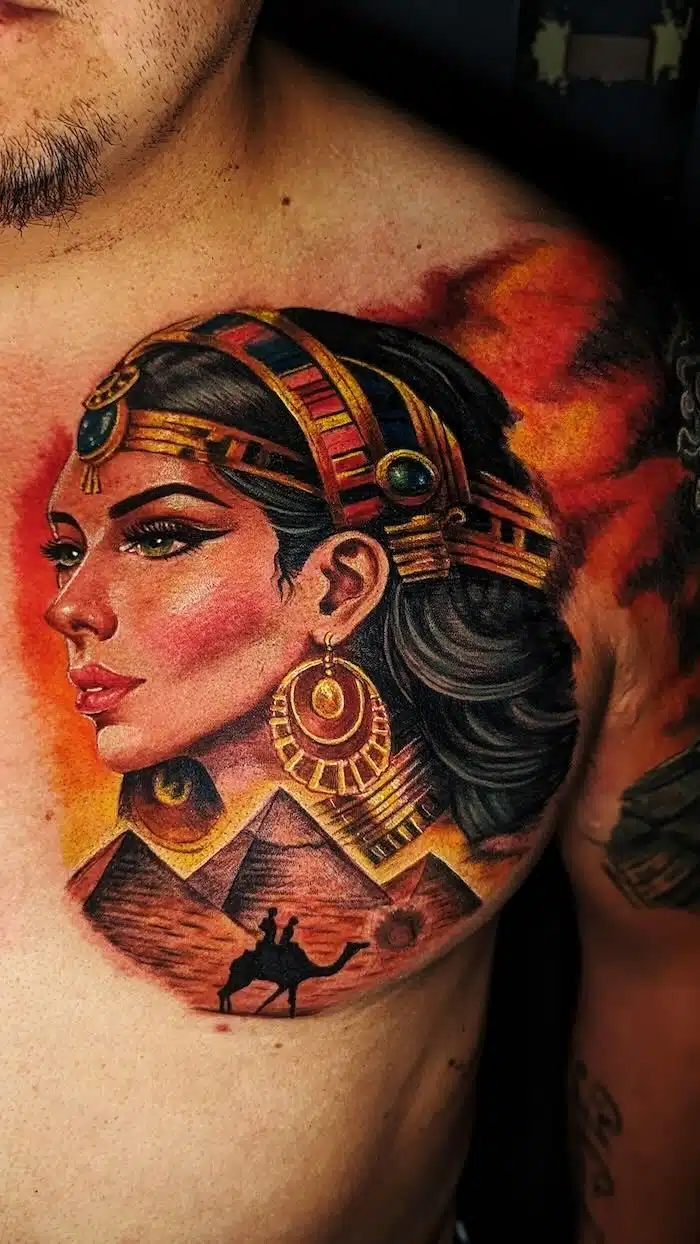
I’m interested in exploring more high-contrast fusions and saturated color work.
- What is the most underrated tattoo style?
New School, because it requires an incredibly high level of mastery in color, drawing structure, and composition.
- What is the most overrated tattoo style?
Styles that exist purely as trends without considering how the tattoo will age on the skin long term.
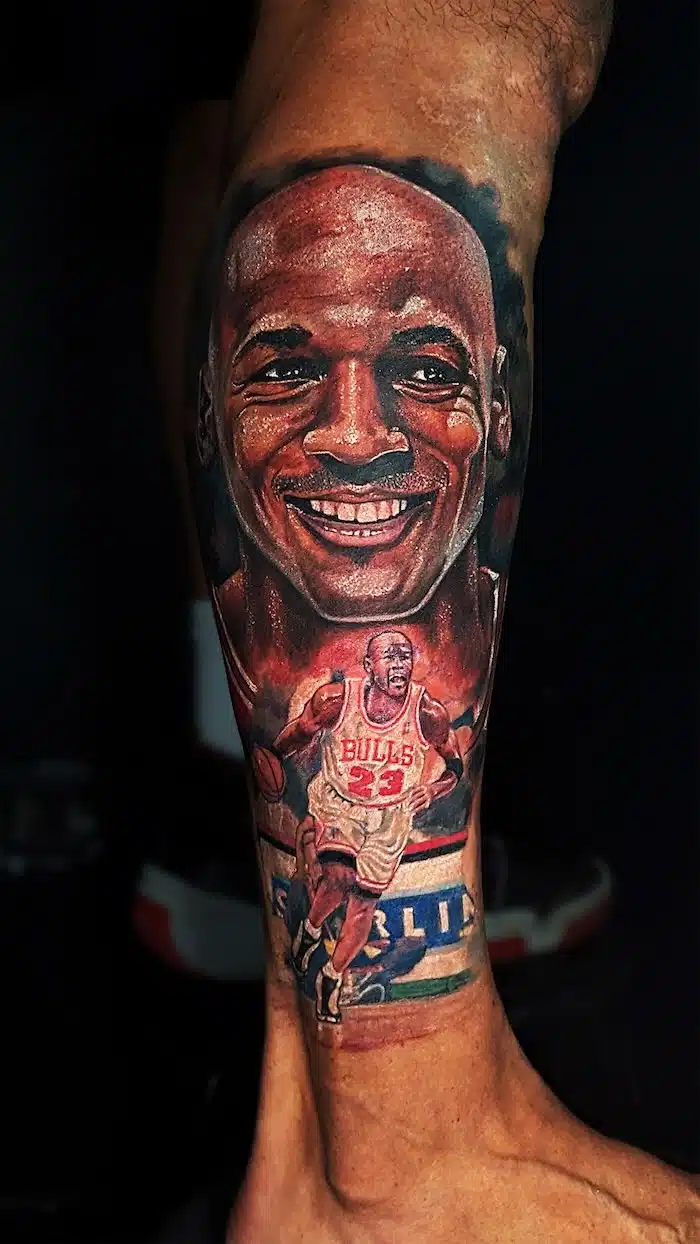
- Are there any tattoos you prefer not to do?
Anything that compromises the client’s health or designs that I know will not age well due to technical placement.
- Do you have sponsors? If so, can you tell us about them?
I collaborate with brands that respect technical quality and understand the importance of equipment maintenance and performance.
- As a tattoo artist, what tattoo ethics are important to you?
Honesty with the client and respect for the work of fellow artists.
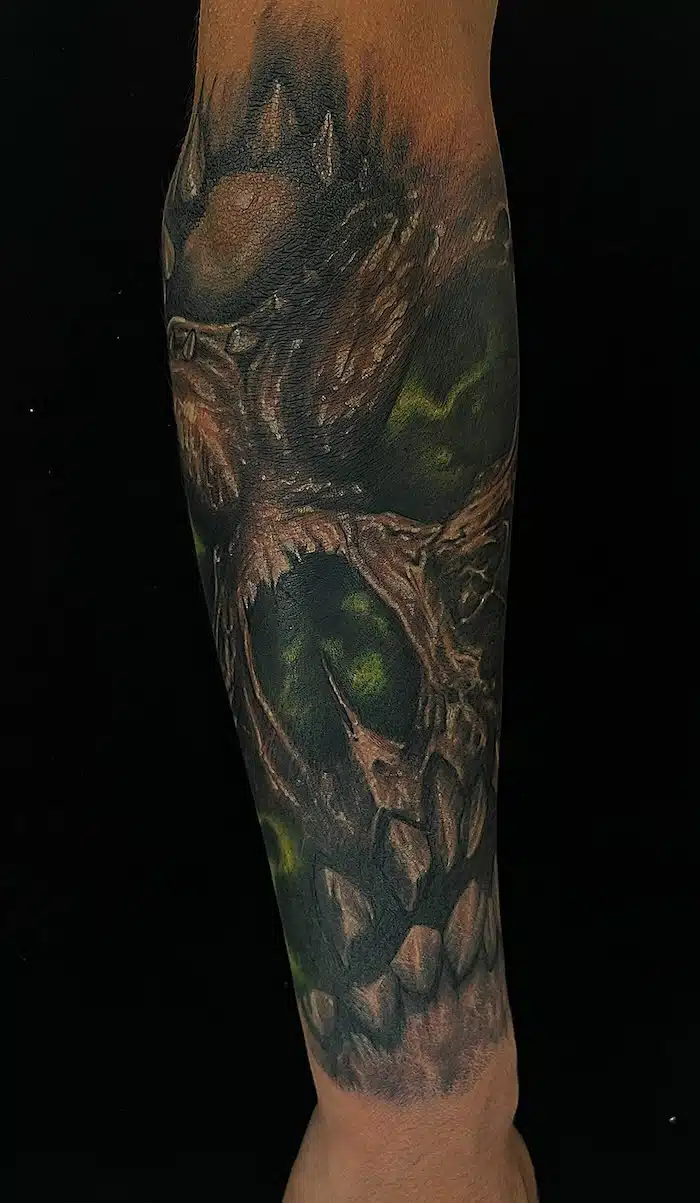
- Being a successful tattoo artist requires many different skills. What’s your favorite way to keep learning?
Constant practice and exchanging knowledge at international conventions.
- Do you like to teach or mentor upcoming artists?
Absolutely. It’s one of my missions. At my studio, I mentor artists because I believe in professionalizing our industry from the ground up.
- What’s the best piece of advice you received to improve your tattooing technique?
“Learn how your machines work.” Understanding the mechanics gave me a technical advantage that I still apply every day.
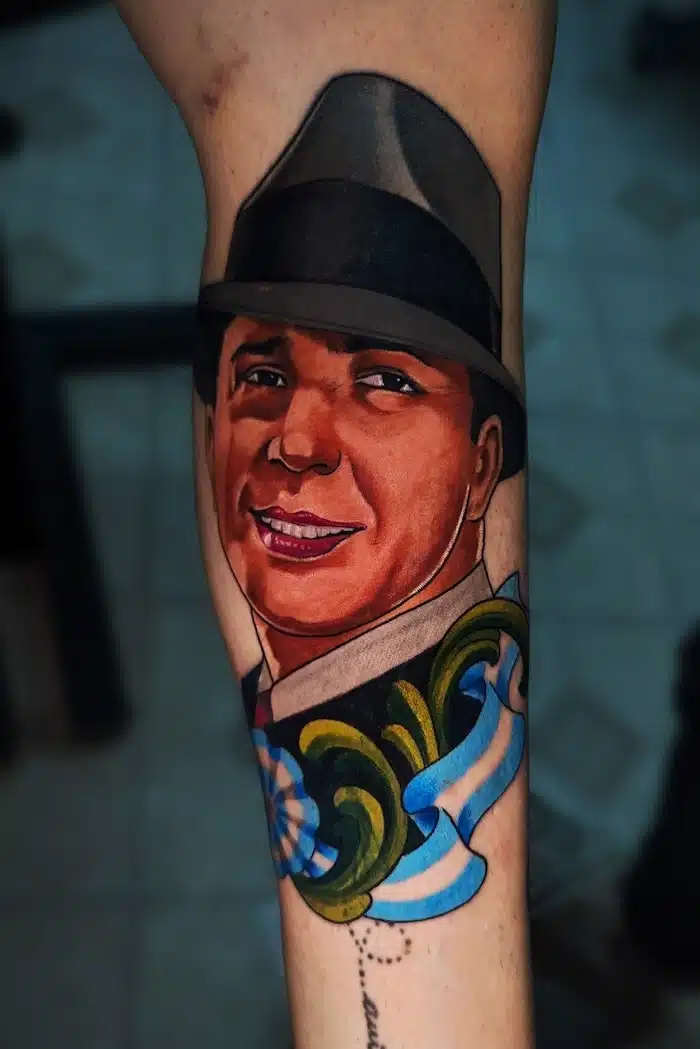
- How do you stay at the top of your profession?
By never feeling like a finished product. There is always something new to improve or learn.
- What differentiates a good tattoo artist from a great one?
Attention to detail and the ability to understand human anatomy so the design truly belongs to the body.
- How do you feel about the growing acceptance of tattoos in society?
It is an important and necessary evolution that allows tattooing to finally be recognized as the art form it truly is.
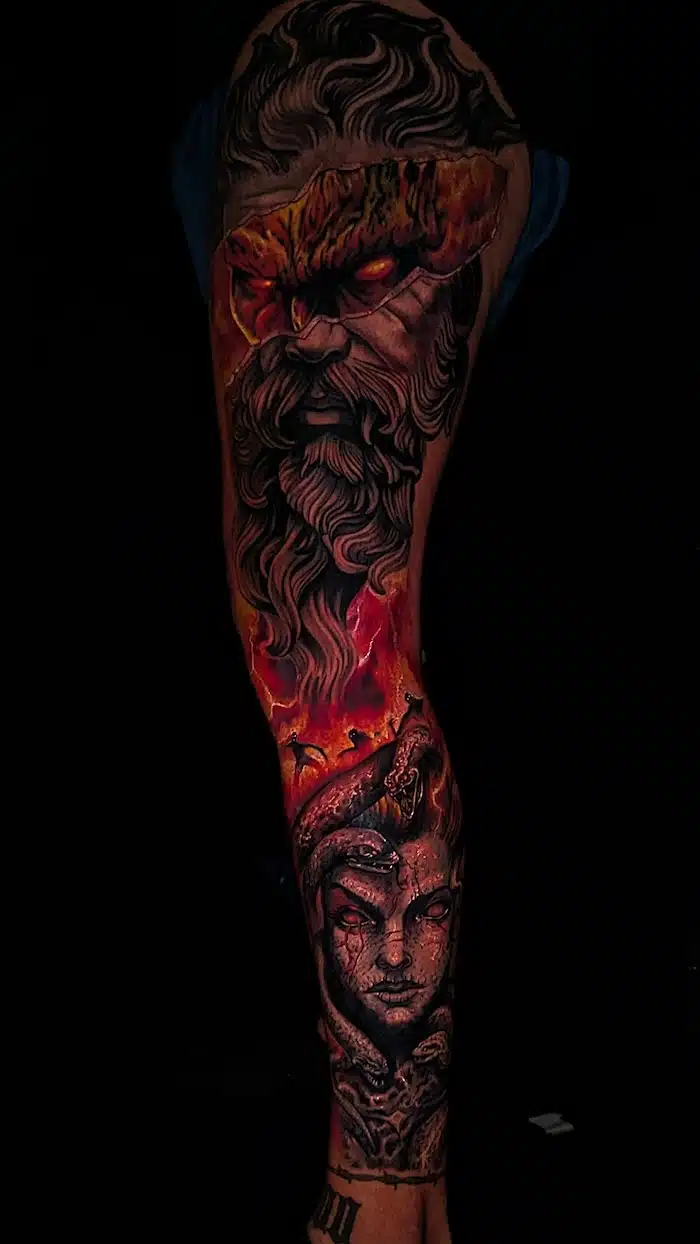
- What is the biggest misconception clients have about tattoos?
Thinking that a highly complex tattoo can be completed quickly without sacrificing quality.
- What’s the biggest trend in tattooing you have noticed in the last 5 years?
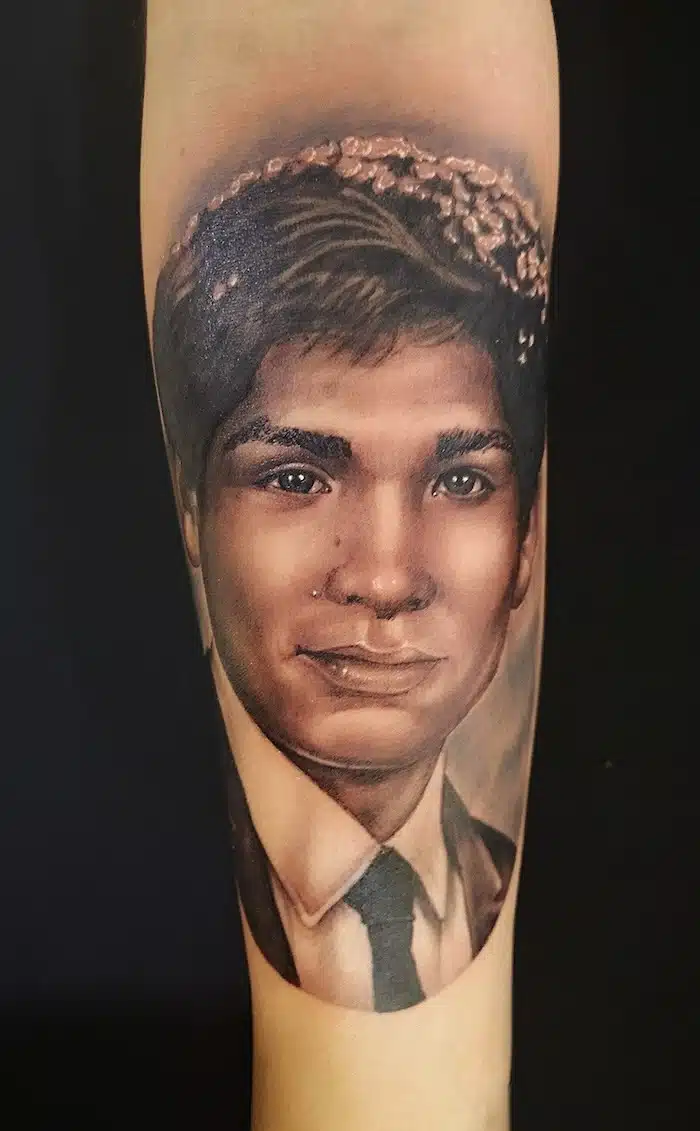
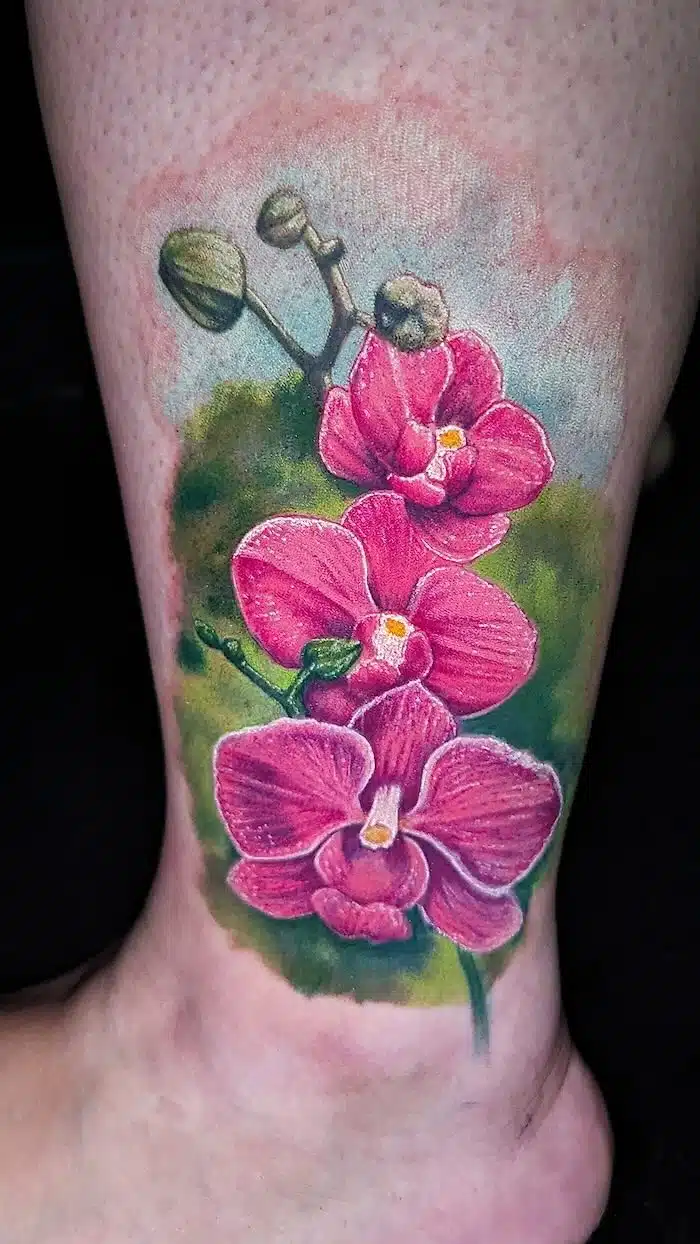
The extreme professionalization of materials and the rise of color realism.
- What’s your view on the rise of AI in tattooing?
I use AI as a tool for generating references, but artistic vision and human execution remain irreplaceable.

- What would you change about the industry?
I would like to see more unity and less ego among artists so the culture can continue growing together.
- Do you work on other projects within the tattoo industry?
Yes, I’m the organizer of the Cochabamba Tattoo Fest, an event dedicated to raising the level of tattooing in Bolivia.
- Do you practice other forms of art besides tattooing?
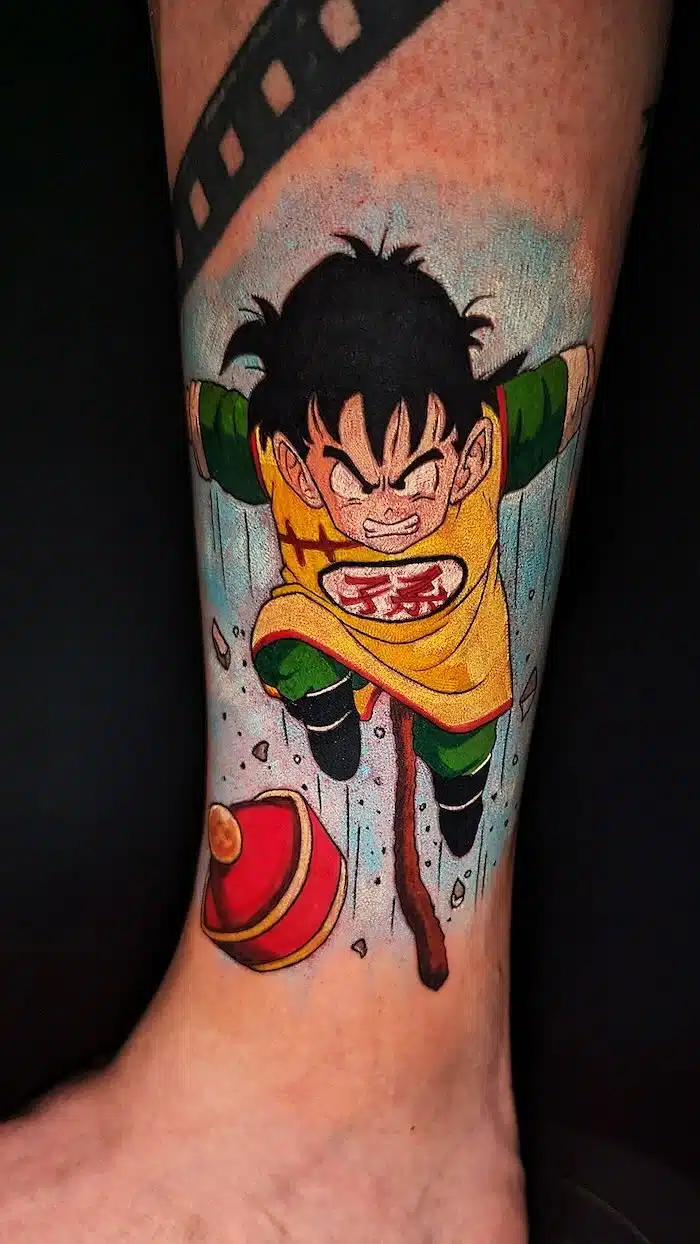
Yes. Drawing and painting are the foundation of all my work on skin.
- Who are the people you admire the most within the tattoo community?
Artists who remain humble despite their success, as well as colleagues who genuinely share the same passion for the craft.
- What has been your experience in tattoo conventions so far?
Tattoo conventions have been the driving force behind my career. They allowed me to measure my level, see the world, and earn respect within the international tattoo community.
- How do you usually prepare for a tattoo convention?
Through detailed logistical preparation and by selecting designs that showcase my technical versatility.
- What is your primary reason for attending tattoo conventions?
Cultural exchange, learning from others, and proudly representing the level of Bolivian tattooing.
- What is your favorite tattoo convention so far? And why?
The conventions in Tucumán and Buenos Aires hold special meaning because of the impact they had at the beginning of my career and the momentum they gave me.
- Have you ever had the opportunity to participate in any tattoo contests? Did you receive any awards?
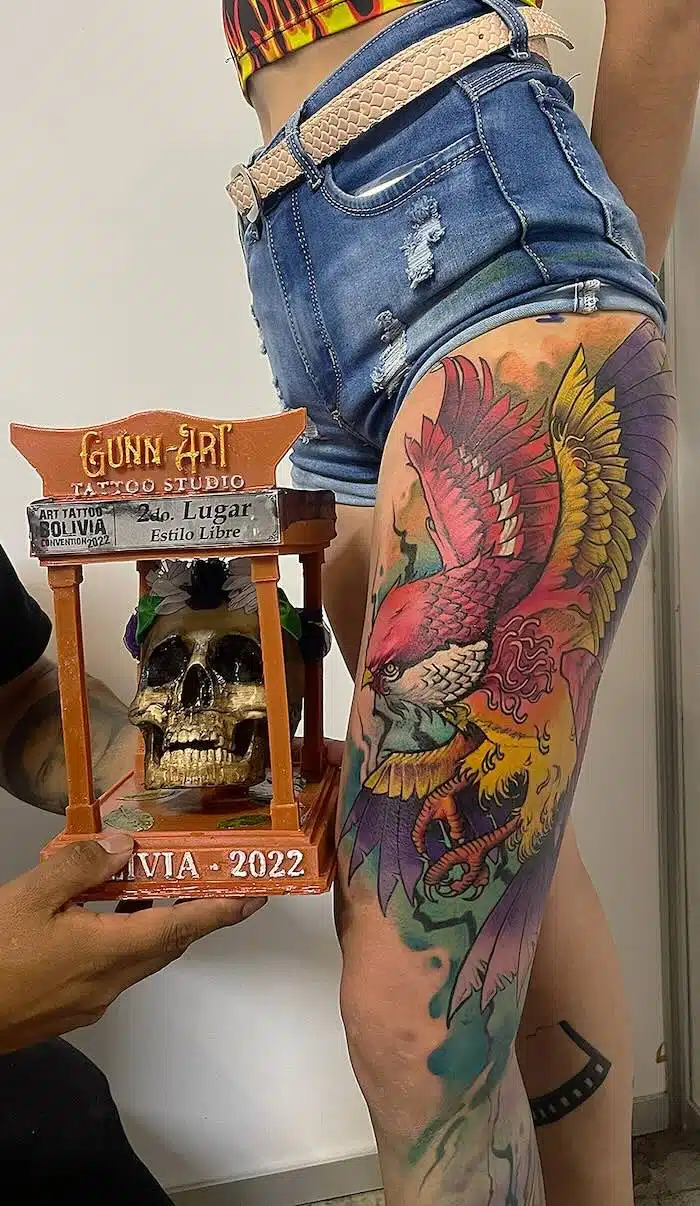
Yes, I’ve received multiple recognitions, including Best of Show in Tucumán, Argentina, and Santa Cruz, Bolivia; 1st Place New School in Santa Cruz; 1st Place Full Color in La Paz; and 1st Place Neo-Traditional in Jujuy.
I have also worked as a judge at several national and international conventions. Sometimes, due to logistics at conventions, I prefer to complete pieces calmly afterward to guarantee the highest quality result.
- Do you collect tattoos from other artists you meet at conventions?
Yes, I highly value wearing pieces created by artists I respect.
- How do you think tattoo conventions could improve for both artists and the public?
By creating more space for technical education and seminars that help professionalize both artists and the public.
- Was there a particular event that boosted your career?
My participation in the Pan-American conventions in Argentina, Chile, and Colombia played a fundamental role in my growth. Another major milestone was organizing the Pan-American event alongside Robbie Ice in 2019 during the Cochabamba Tattoo Fest, which became a turning point in my career.
- Is there a tattoo you have created that you are particularly proud of?
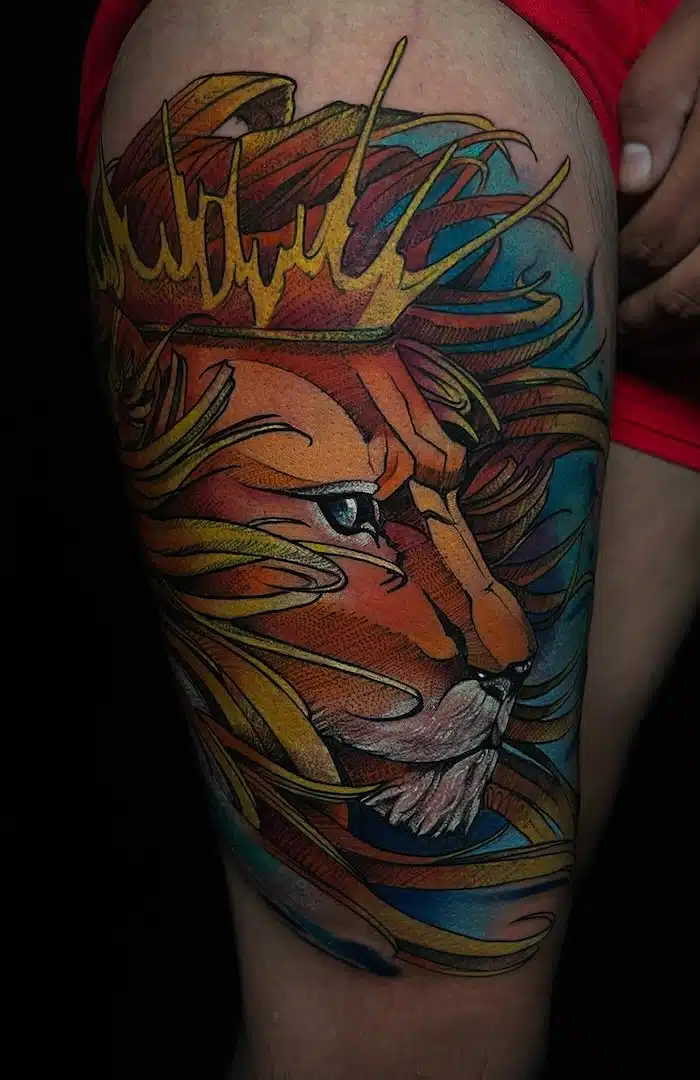
The tattoos I’m most proud of are the ones where I successfully fuse multiple styles together and where the client fully trusts my artistic vision.
- What is your greatest accomplishment as a tattoo artist?
Going from construction work to becoming the owner of my own studio and organizer of an international festival, successfully making a living through my art.
- What advice would you give to someone considering a career as a tattoo artist?
Don’t rush the process. Study art, learn how to draw, and respect the craft. Tattooing is a marathon, not a sprint.
- What are your goals or dreams for the near future?
To legally travel and work throughout Europe and the United States, representing Bolivian talent while continuing to gain experience that helps elevate tattooing in my country.
- What legacy do you want to leave as a tattoo artist?
I want to be remembered as someone who opened doors for others, professionalized tattooing in Bolivia, and proved that with the right guidance, you can reach any part of the world.
- To close this awesome interview, what’s your last message to our readers?
Don’t be afraid to chase your dreams. Tattooing is constant evolution, so always keep your curiosity alive.


Leave A Comment