

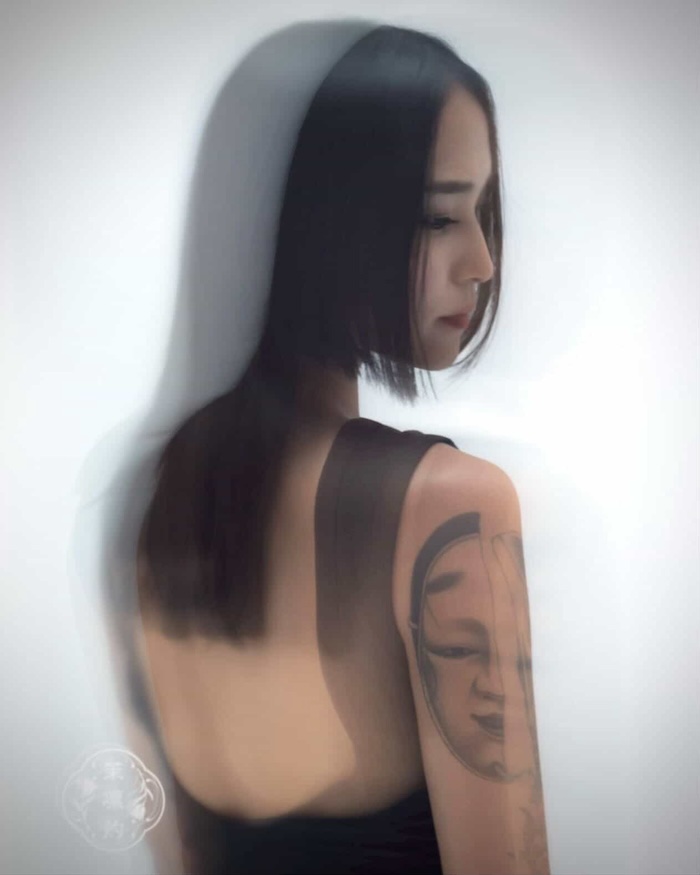
Mariya Saitou is a tattoo artist based in Tokyo, working from Bizen Art Tattoo Studio, where her work explores Neo ReJaponisme—a contemporary reinterpretation of Japanese aesthetics. Her approach moves beyond traditional boundaries, treating the body not as a surface, but as a living stage where composition, movement, and meaning unfold over time. Rooted in curiosity and guided by discipline, her work balances structure with controlled unpredictability.
Rather than focusing on decoration, she builds tattoos that interact with the body’s natural flow, creating pieces that feel alive and integrated.
As Japan’s tattoo culture gradually shifts toward greater openness, Mariya remains focused on preserving depth and meaning within the craft. Through daily practice, humility, and continuous learning, she refines her work while contributing to a broader understanding of tattooing as both cultural expression and contemporary art.
Let’s step into her world.
- How would you like to introduce yourself?
I am Mariya Saitou, a tattoo artist based in Japan. My work explores Neo-ReJaponisme, a contemporary reinterpretation of Japanese aesthetics. I create tattoos where the body becomes a stage, and meaning emerges through controlled accident.
- Where can your customers find you?
Bizen Art Tattoo Studio in Tokyo, Japan.
- How would you describe the tattoo scene in Japan these days?
The tattoo scene in Japan is changing. Younger generations are making it more open. I see this as a cultural shift, not just a trend.
- How would you define yourself in one word?
Curiosity.
- Where did your fascination for tattoos come from?
It started with temporary tattoos my mother gave me as a child. Later, studying art and meeting tattooed people made it real.
- What does tattooing mean to you personally?
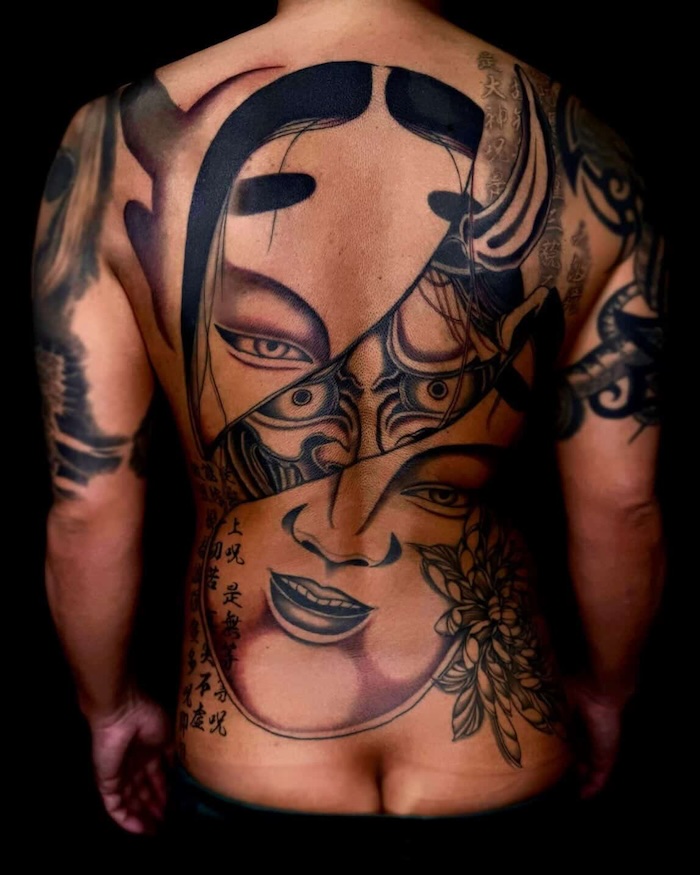
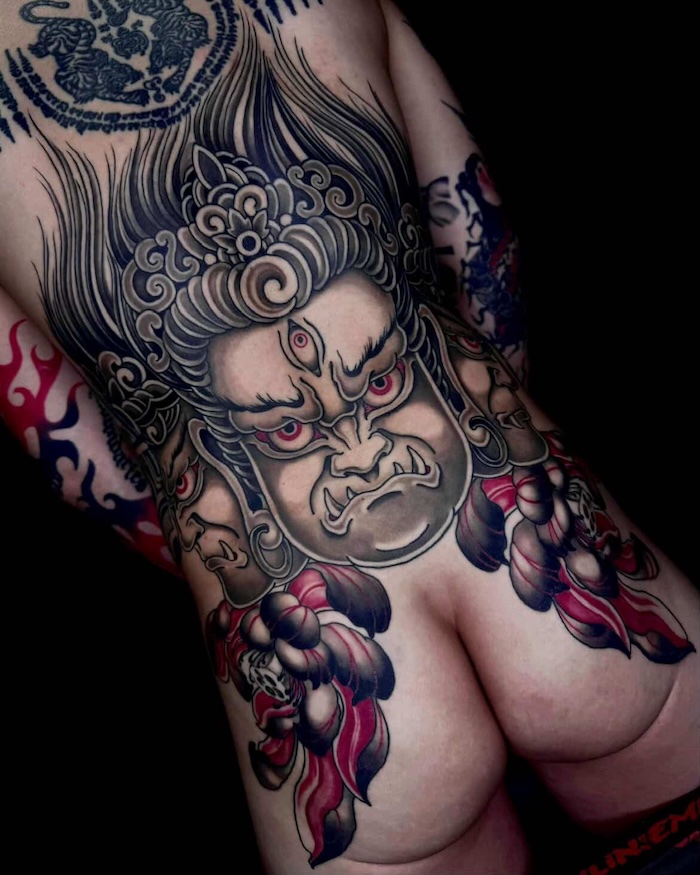
Tattooing is a stage. The body becomes a place where tattoos move and come alive. It is not just decoration, but art with the same value as collecting fine paintings. I approach tattooing as if I am placing a valuable artwork onto the body.
- When did you decide to become a professional tattoo artist?
In 2020, during COVID. I realized tattooing combines drawing, craft, and human connection.
- How did your family react?
They were strongly against it at first. I chose to prove my path through results. Now they support me.
- Did you go through an apprenticeship?
Yes, under my master Bizen. I learned discipline, patience, and respect for the craft.
- What did your first tattoo look like?
A straight line on my master’s leg. My hands were shaking.
- Do you do guest spots?
Only when there is something meaningful to learn. So far, Barcelona, Kyoto, and Shizuoka.
- What does your daily working routine look like?
I spend most of my time drawing and studying. Tattooing may look spontaneous, but it is built on observation and preparation.
- What is one surprising aspect of being a tattoo artist?
The level of trust. People entrust me with their bodies and their stories.
- How do you determine the price of a tattoo?
Mainly by time, size, and complexity.
- What’s the most challenging aspect of being a tattoo artist in 2026?
Maintaining originality and depth in a world flooded with images.
- What’s the most rewarding aspect of being a tattoo artist?
Seeing a tattoo become part of someone’s life.
- What tools and machines do you prefer to use?
I use a magnetic machine called “Sho.” I also work with trusted equipment such as Inklab, Cheyenne, Revolution, and Kwadron.
- How would you define your current tattoo style?
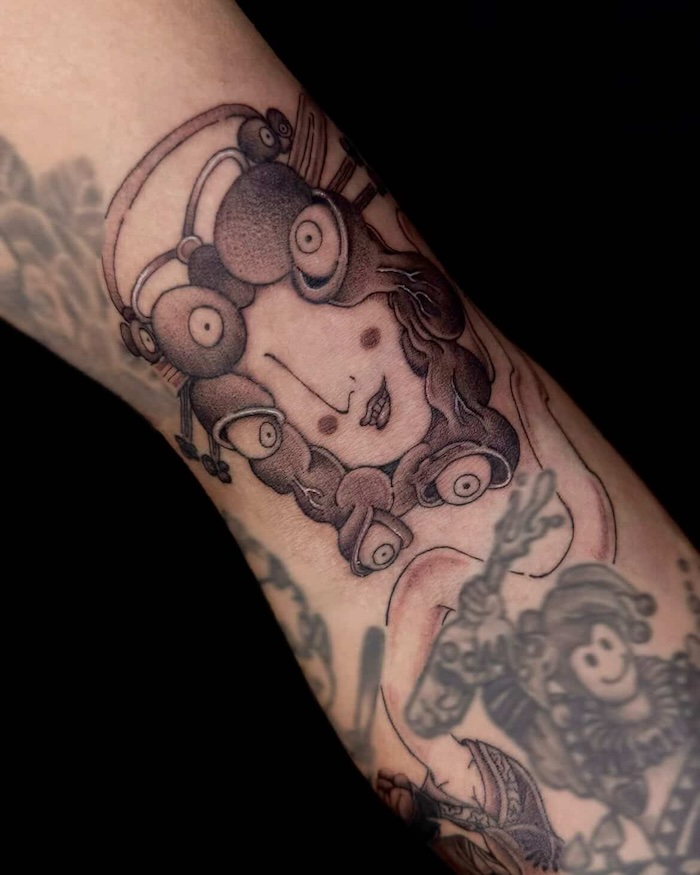
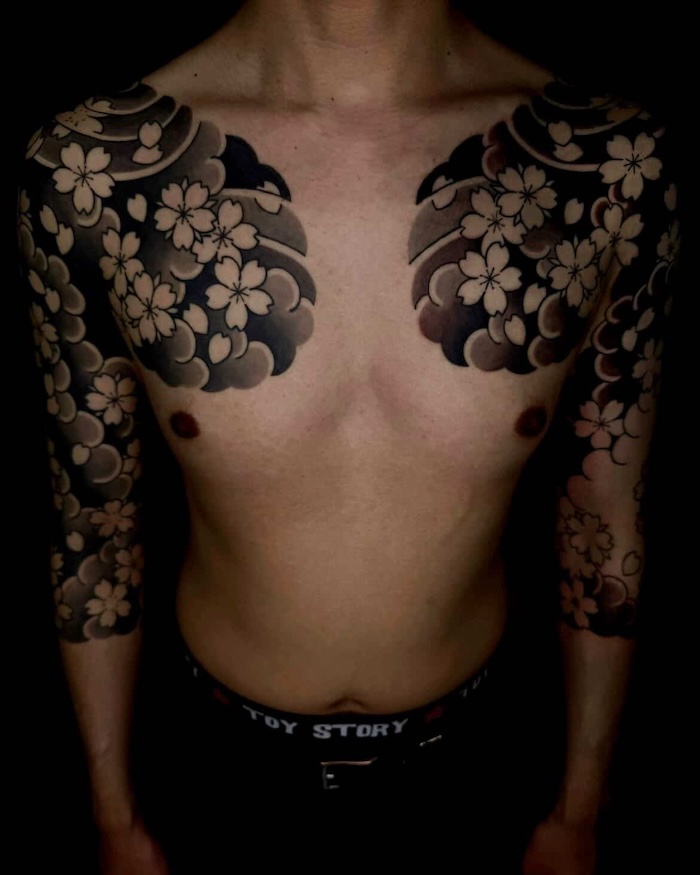
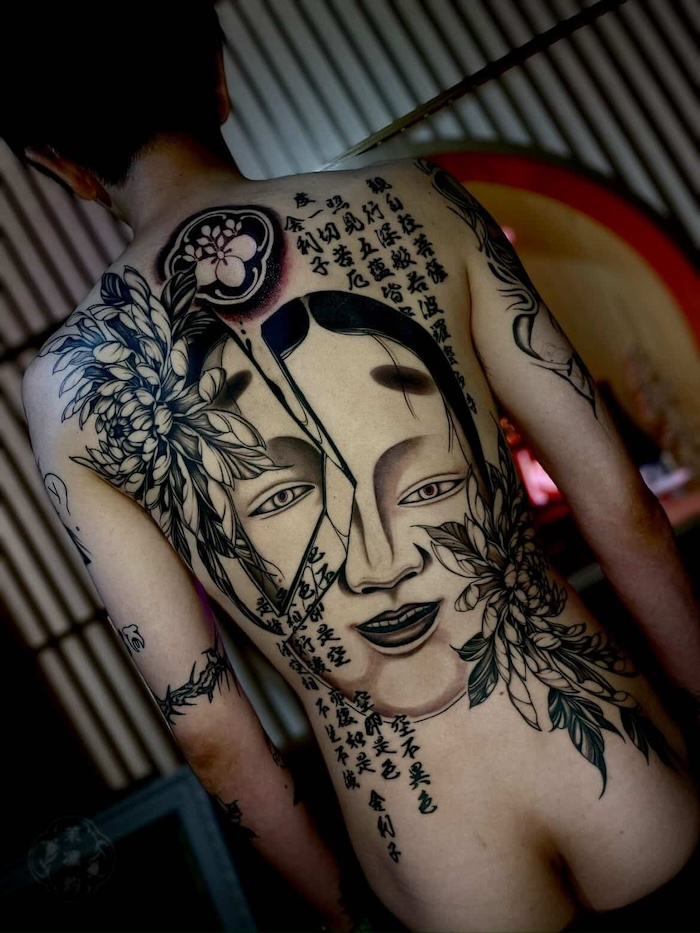
My work exists between tradition and experimentation. I respect Japanese aesthetics while reinterpreting them for the contemporary body.
- Please walk us through your process when starting a tattoo.
I do not see the body as a simple canvas. It is a stage where the design moves and breathes. I create each composition in harmony with the body’s natural flow.
- How do you stay creatively inspired?
Through daily drawing and studying traditional Japanese art and nature.
- How do you balance client requests with your artistic vision?
I respect the client’s intention while guiding the design toward a strong and timeless result.
- Are there any tattoo styles you’d like to explore more?
I want to continue exploring deeper expressions within Japanese-based tattooing.
- What’s the most underrated tattoo style?
Tribal.
- What’s the most overrated tattoo style?
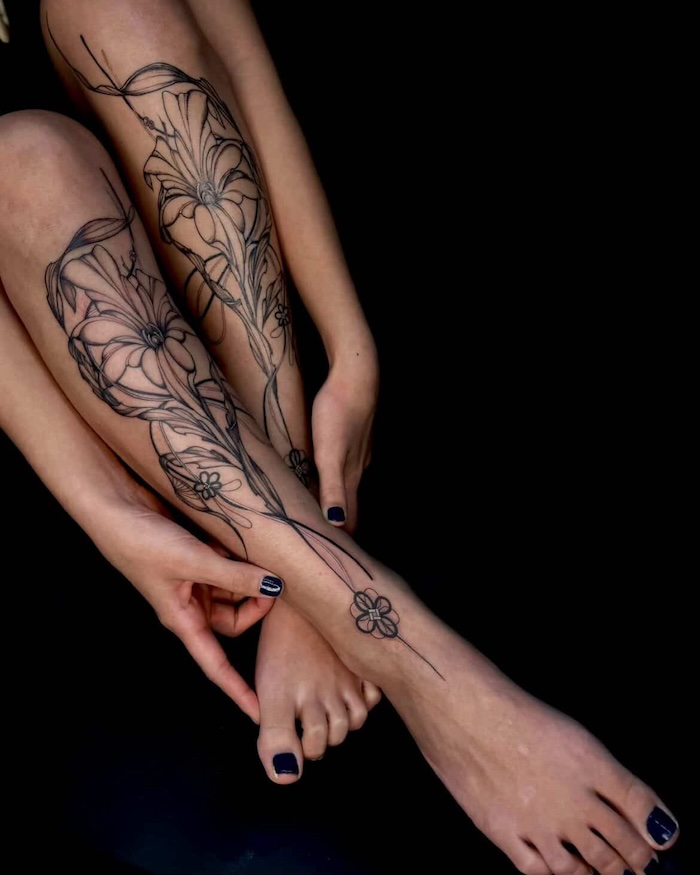
Fine line tattooing.
- Are there any tattoos you prefer not to do?
For designs that may fade or blur over time, especially overly fine details, I suggest alternative approaches that age better.
- Do you have sponsors?
I collaborate with trusted brands that share a commitment to quality and craftsmanship.
- What kind of tattoo ethics are important to you?
I draw inspiration from traditional Japanese art, nature, and daily life. Understanding the relationship between body and composition is essential.
- What’s your favorite way to keep learning?
I read, meet artists I admire, and value honesty—being able to admit what I don’t know and express gratitude sincerely.
- Do you like to mentor upcoming artists?
I don’t see myself in a position to teach yet. I prefer learning together with others.
- How do you stay at the top of your game?
I don’t consider myself at the top. I’m surrounded by highly skilled artists and continue learning from them every day.
- What separates a good tattoo artist from a great one?
Consistency and humility. It’s important not to become arrogant with limited experience.
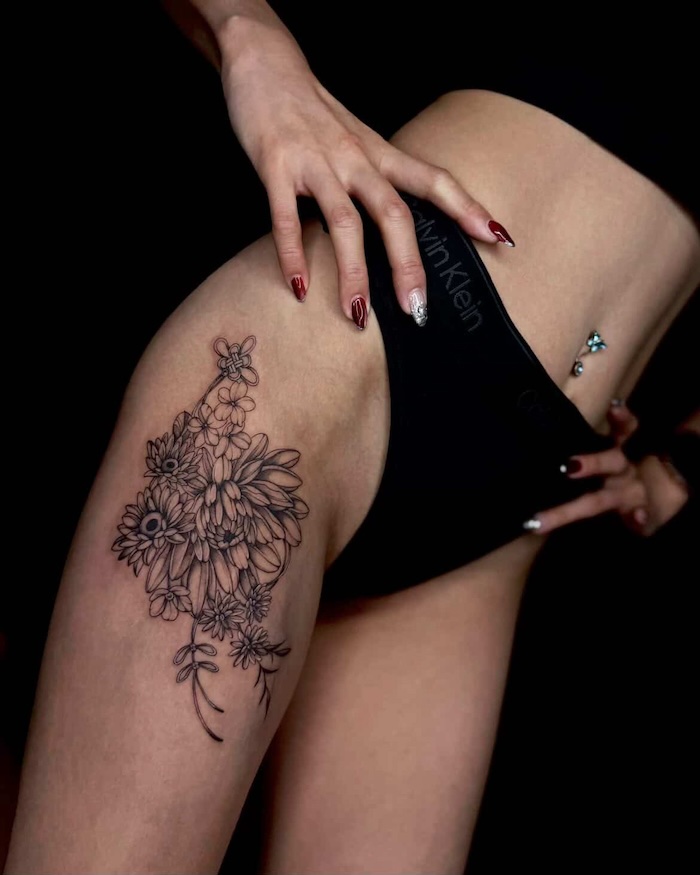
- How do you feel about the growing acceptance of tattoos?
Society is becoming more open, but as tattooing becomes mainstream, I feel its value can sometimes be taken more lightly.
- What’s the biggest misconception about tattoos?
That tattoos are only decoration, when they often carry deeper meaning.
- What major trends have you noticed in the past five years?
An increase in styles focused on visual impact and accessibility.
- What is your opinion on AI in tattooing
AI can generate images, but it cannot replace the human relationship that is essential to tattooing.
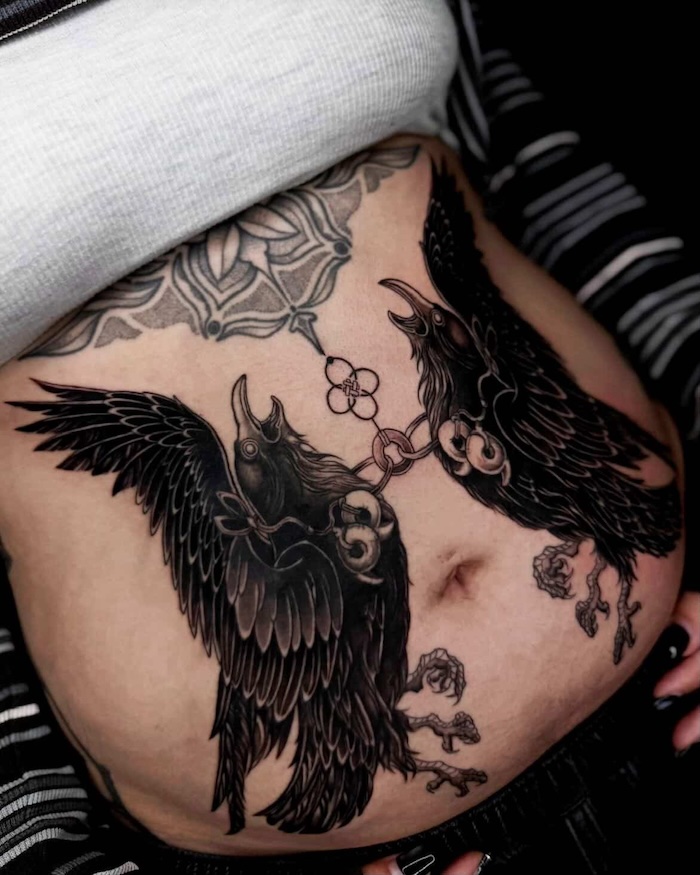
- If you could change one thing in the industry, what would it be?
A deeper understanding of the cultural background and meaning behind tattoos.
- Do you work on other projects within the tattoo industry?
Currently, I am mainly focused on tattooing.
- Do you do other forms of art besides tattooing?
Yes, I draw on washi paper to study traditional Japanese painting and aesthetics.
- Who are the people you admire the most within the tattoo community?
Bizen, Nissaco, and Gakkin—artists who represent Japan through both skill and character.
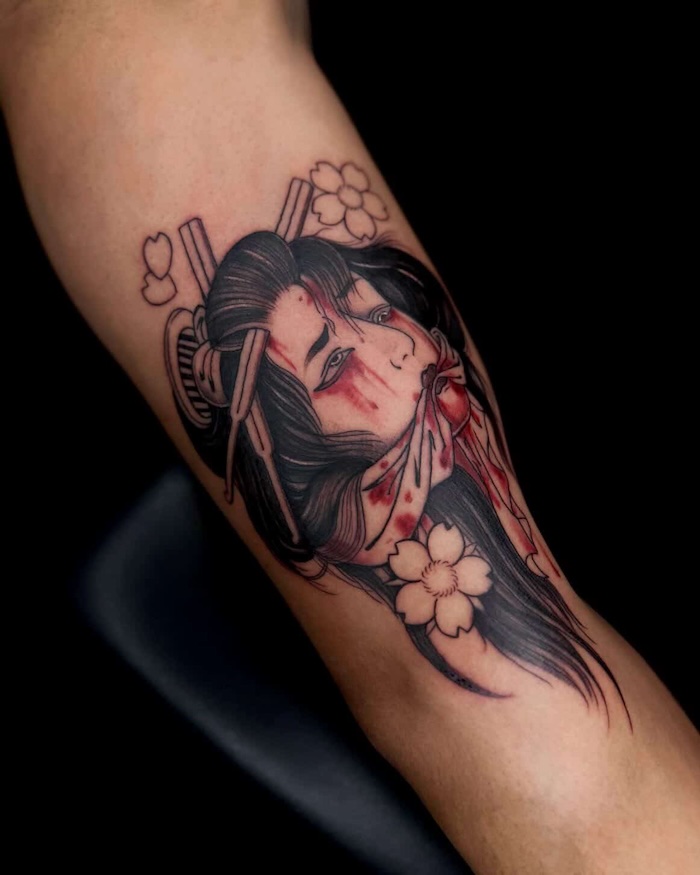
- What has been your experience with tattoo conventions?
I do not treat conventions as something special. I aim to create work that is always ready to be presented.
- How do you usually prepare for a tattoo convention?
I do not treat conventions as something special. I always aim to create work that is ready to be presented at any time.
- What’s your primary reason for attending conventions?
To build connections and gain knowledge, rather than to win.
- What’s your favorite tattoo convention so far, and why?
Tokyo Bay Tattoo Festival was my first convention, so it’s very special to me. This year, I want to push myself further and achieve a stronger result, hopefully earning an award.
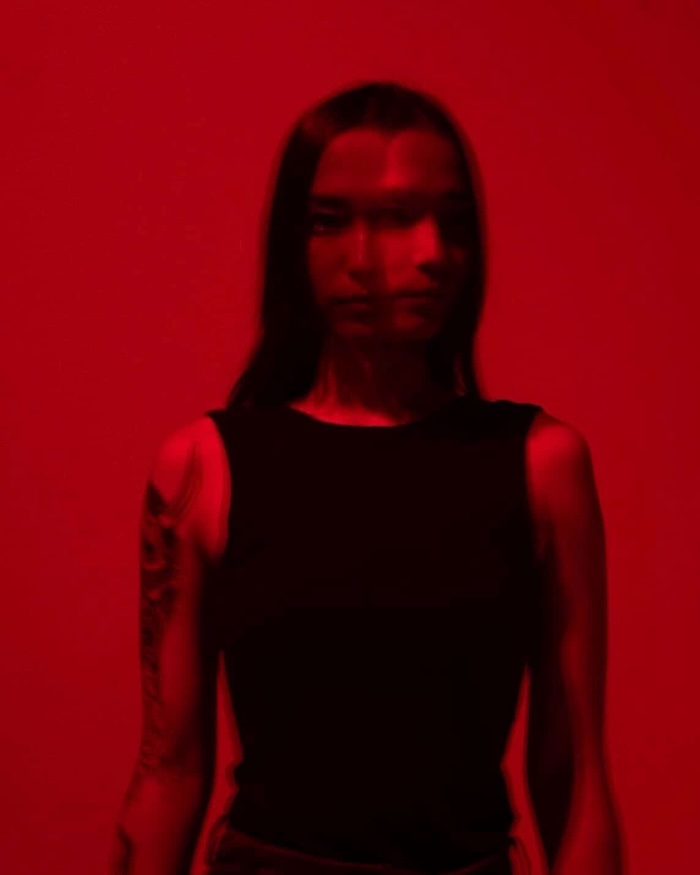
- Have you participated in tattoo contests?
At Kapatik Tattoo in Cebu, I received 5th place in Oriental Tattoo, 3rd place in Female Tattooer, and 3rd place in New Artist.
- Do you collect tattoos from artists you meet at conventions?
Not yet, but I would like to in the future.
- What are some of the ways tattoo conventions could improve?
I think creating ways to attract a broader audience would make them better.
- Was there any event in particular that really boosted your career?
Tokyo Bay Tattoo Festival. Meeting top artists from around the world made me realize that I still have much to learn.
- What’s the best advice you received?
To listen with sincerity. Tattooing is created between people, not just tools.


Leave A Comment