

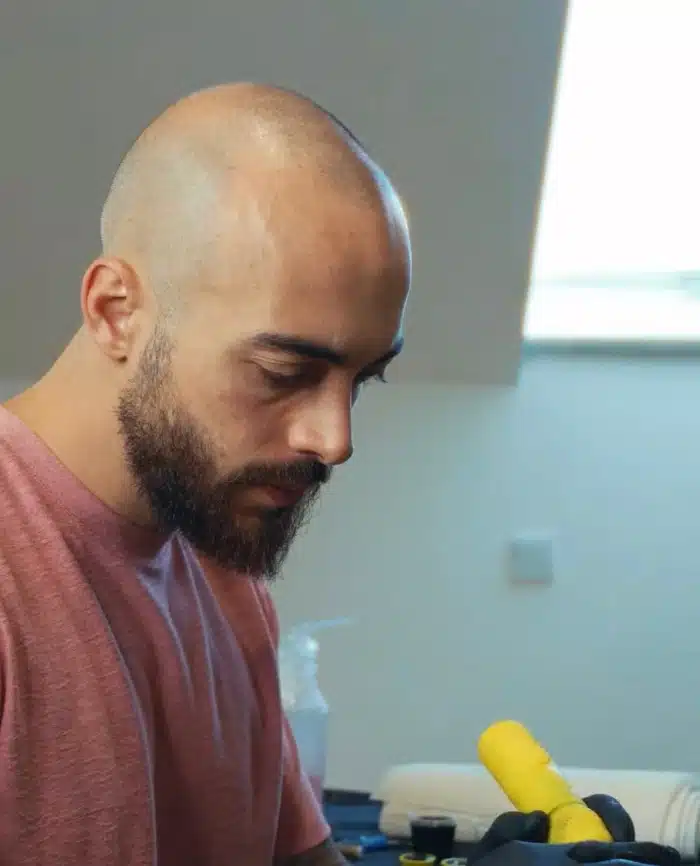
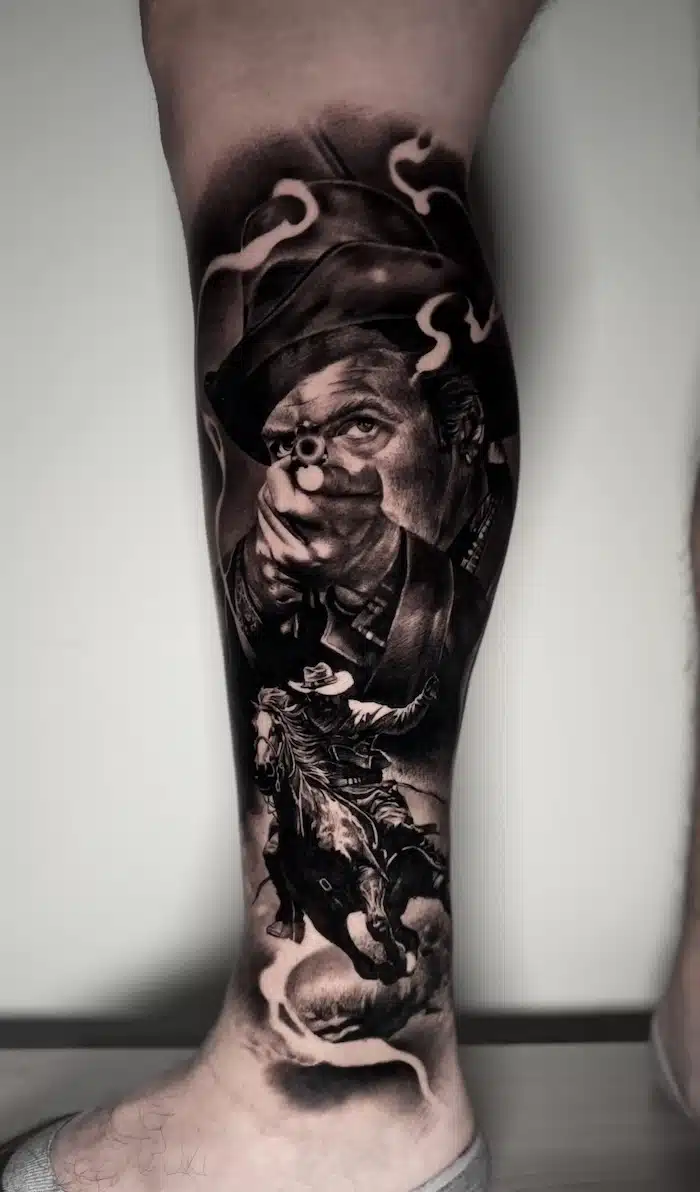
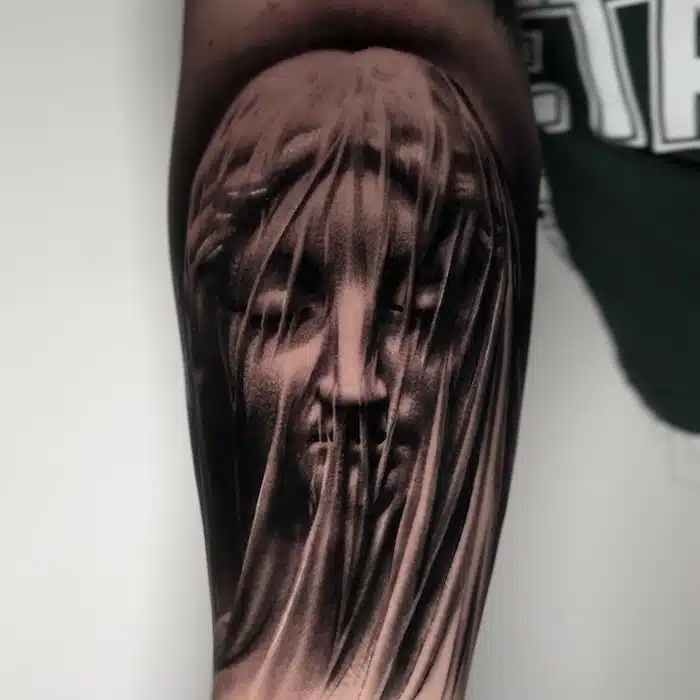
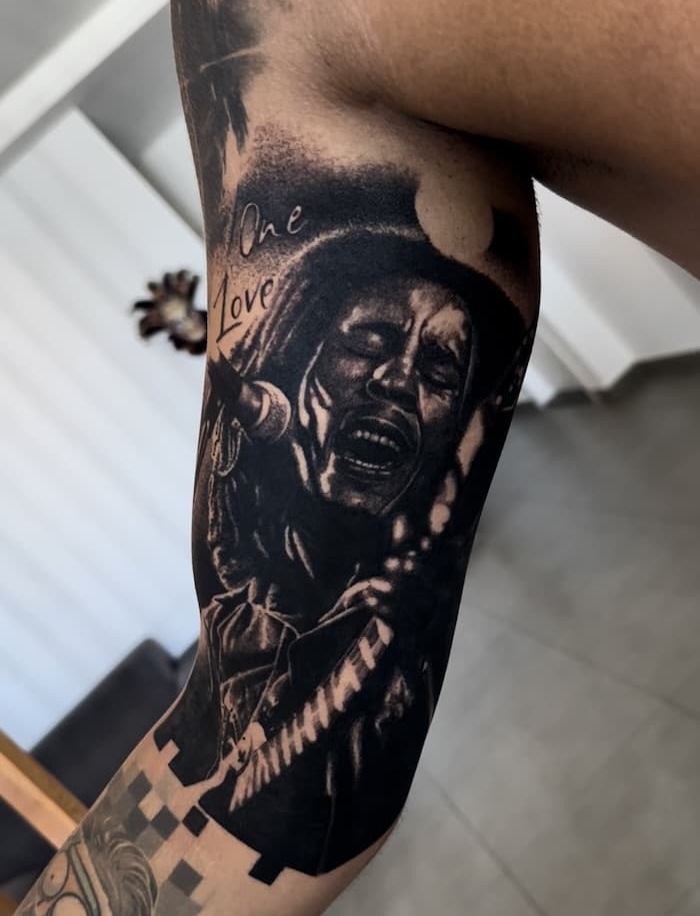
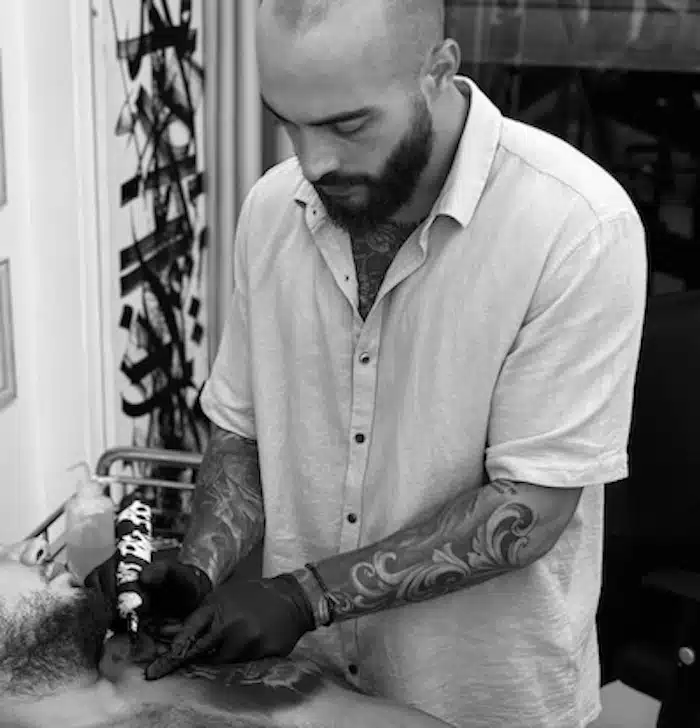
Mahmoud Khalifeh is a Beirut-based tattoo artist known for his emotionally driven black and grey work that blends atmosphere, contrast, and storytelling. His approach to tattooing goes beyond aesthetics, focusing instead on creating deeply personal pieces that carry meaning, identity, and emotional weight. Through years of discipline and continuous evolution, he has built a style rooted in honesty, artistic integrity, and strong human connection.
Inspired by emotions, music, films, architecture, and everyday life, Mahmoud approaches each tattoo as a collaborative experience rather than just a design process. His work emphasizes flow, composition, and authenticity, balancing the client’s vision with his own artistic direction. While he embraces innovation and modern tools, he remains committed to preserving originality and emotional depth in an industry increasingly shaped by trends and social media.
Alongside tattooing, Mahmoud is passionate about mentorship, education, and contributing to the artistic side of tattoo culture. Through conventions, guest spots, and personal projects, he continues to expand both creatively and professionally. His long-term goal is to create larger conceptual works and leave behind a legacy defined by emotion, individuality, and timeless artistry.
Let’s step into his world.
- How would you like to introduce yourself?
My name is Mahmoud Khalifeh, and I’m a tattoo artist focused on creating emotionally driven black and grey work that feels personal, timeless, and honest.
- Where can your clients find you?
I’m based in Beirut, Lebanon, where I work from my studio while also traveling for selected guest spots and conventions.
- How would you describe the tattoo scene in your country these days?
The tattoo scene in Lebanon continues to evolve. There’s much more openness and appreciation for tattooing now, and many artists are developing strong individual styles and artistic identities despite the challenges the country faces.
- How would you define yourself in one word?
I value depth over surface.
- Where did your fascination for tattoos come from?
It came from the emotional weight tattoos can carry. I was always fascinated by the idea that something visual could become part of someone’s identity and life story forever.
- What does tattooing mean to you personally?
Tattooing is more than work to me. It’s communication without words—trust, energy, emotion, and creating something permanent that people carry through different chapters of their lives.
- At what point in your life did you decide to become a professional tattoo artist?
The moment I realized tattooing consumed all my attention creatively, mentally, and emotionally, I knew I couldn’t treat it as just a hobby anymore.
- How did your family react when you started a career in tattooing?
Like many artists, there was uncertainty at first. Tattooing isn’t always immediately understood in our culture, but over time they saw the dedication and seriousness behind it.
- Did you go through an apprenticeship? How was that experience?
I learned through constant practice, observation, experimentation, and a deep commitment to improving every day. The process was intense, but it shaped the way I work now.
- What did your first tattoo look like?
It was far from perfect, but it taught me one of the most important lessons in tattooing: humility.
- Do you usually do guest spots?
Yes, I enjoy guest spots because they expose you to different people, energies, and tattoo cultures. Traveling also helps me grow creatively.
- As a Tattoo Artist, what does your daily working routine look like?
Most days start with designing, answering clients, preparing projects, and then long tattoo sessions. Even outside the studio, I’m constantly thinking about ideas, compositions, and future work.
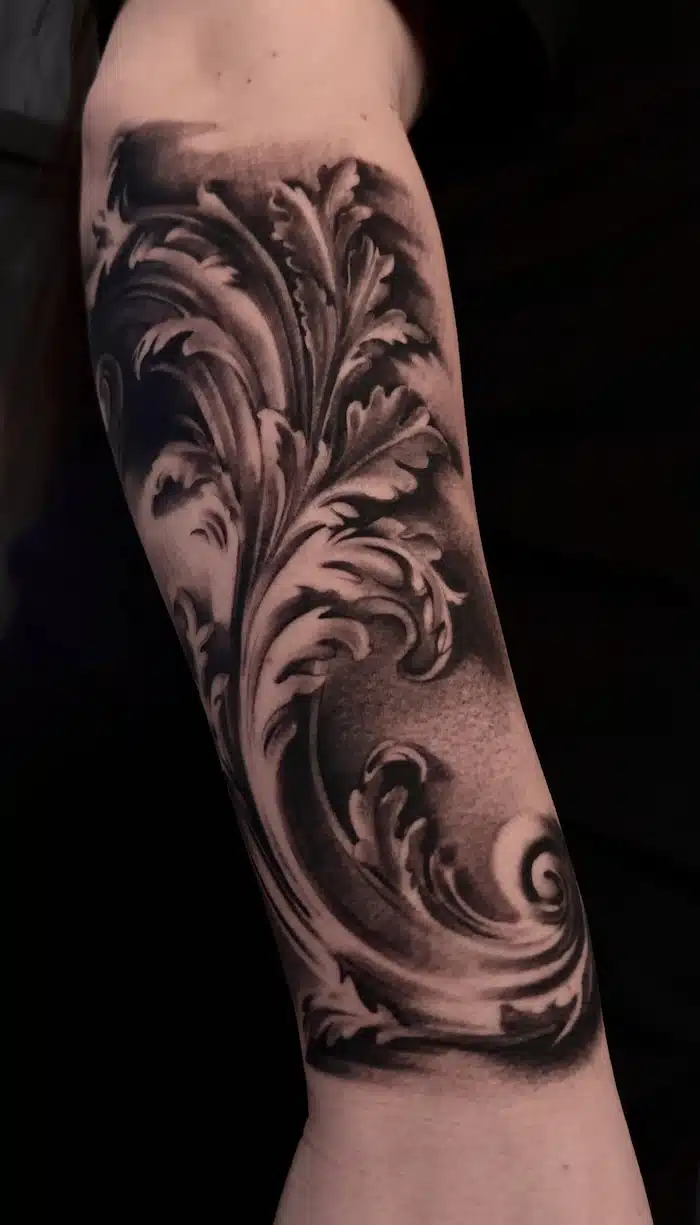
- What is one surprising aspect of being a tattoo artist?
How emotional the experience can become. People often come with stories, memories, or personal meanings that stay with you long after the tattoo is finished.
- How do you determine the price of a tattoo?
It depends on the size, placement, level of detail, time, and overall complexity of the project.
- What’s the most challenging aspect of being a tattoo artist in 2026?
Staying authentic in a time where social media constantly pushes artists to chase trends and algorithms instead of artistic identity.
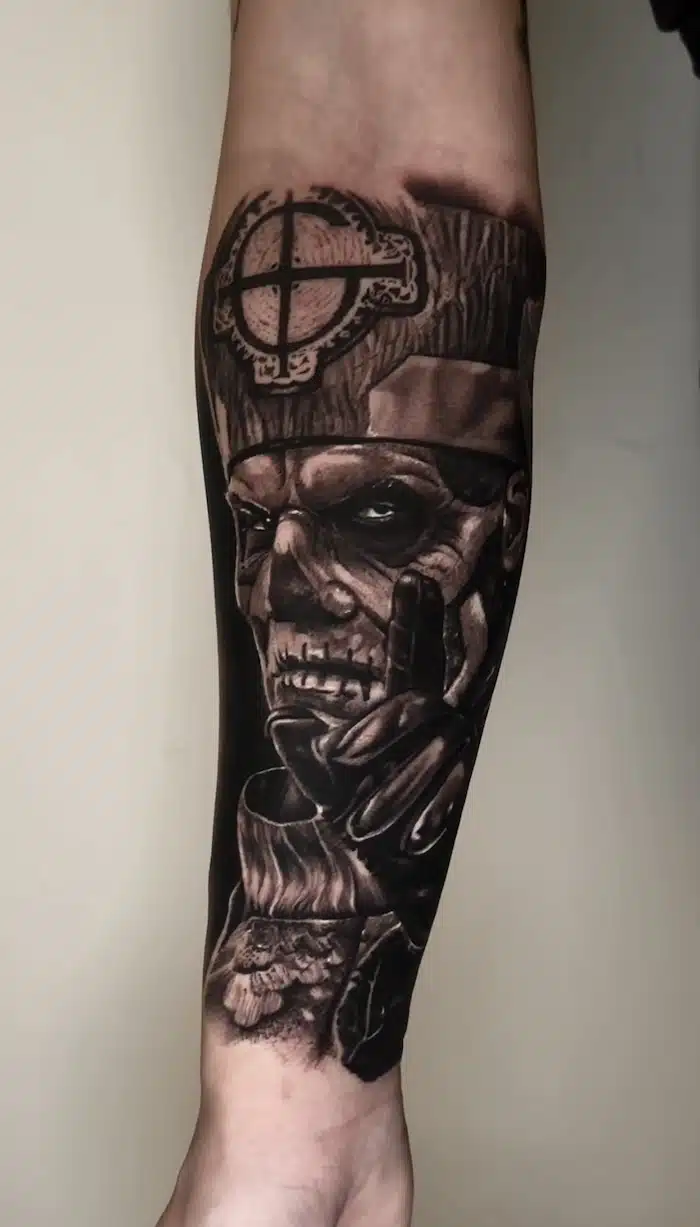
- What’s the most rewarding aspect of being a tattoo artist?
Seeing someone connect deeply with the piece and wear it proudly. Knowing your work becomes part of someone’s life is powerful.
- What tools and machines do you prefer to use?
I prefer machines and tools that allow me to work with precision, softness, and smooth transitions, especially for black and grey work.
- What’s your number one aftercare advice for clients?
Respect the healing process. A good tattoo needs patience and proper care after the session.
- How would you define your current tattoo style, and how did you end up focusing on it?
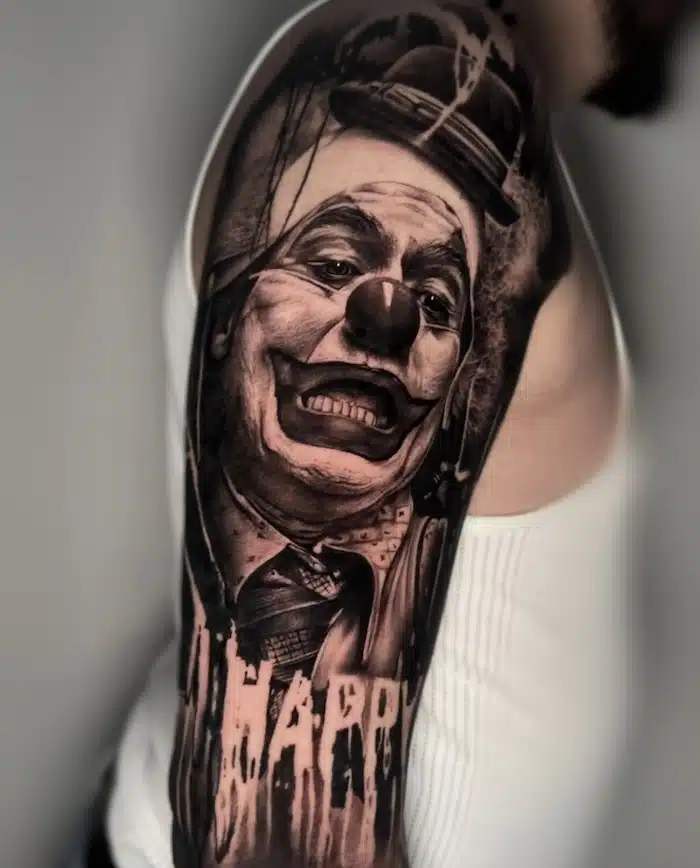
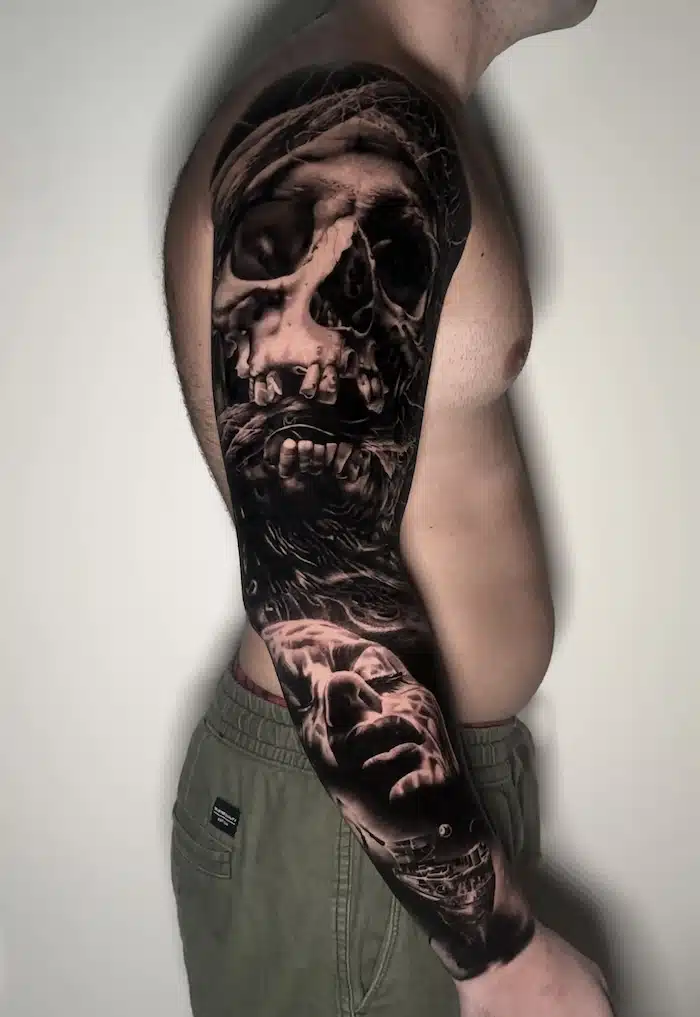
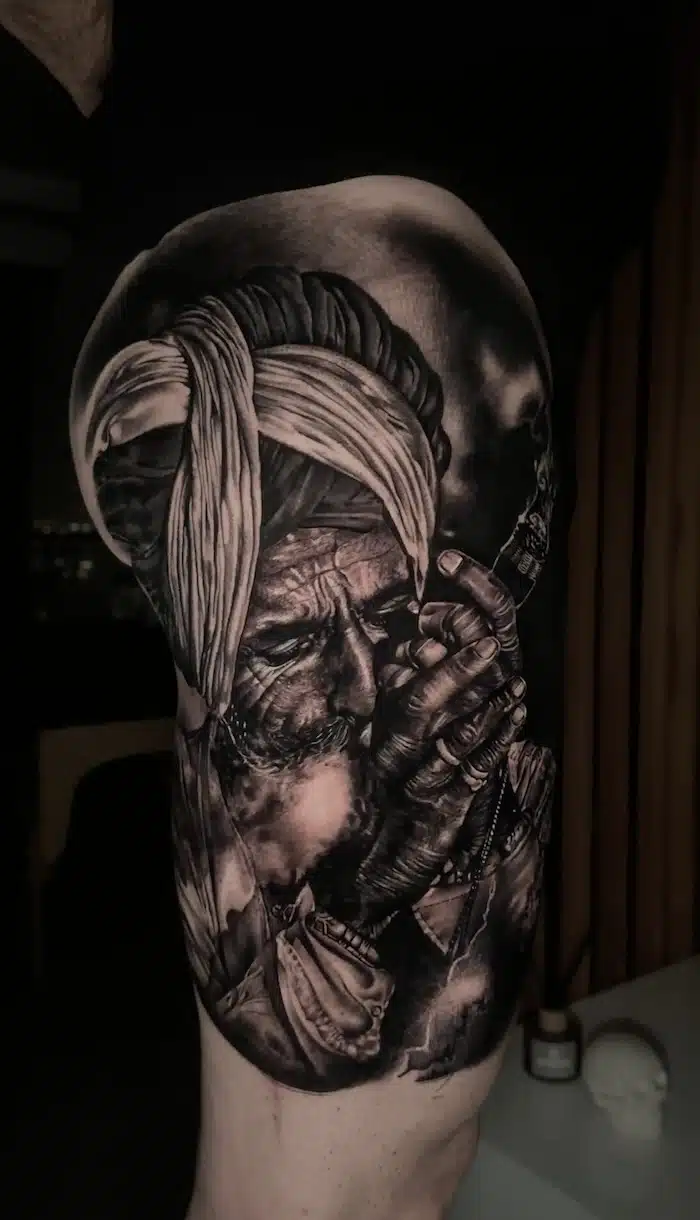
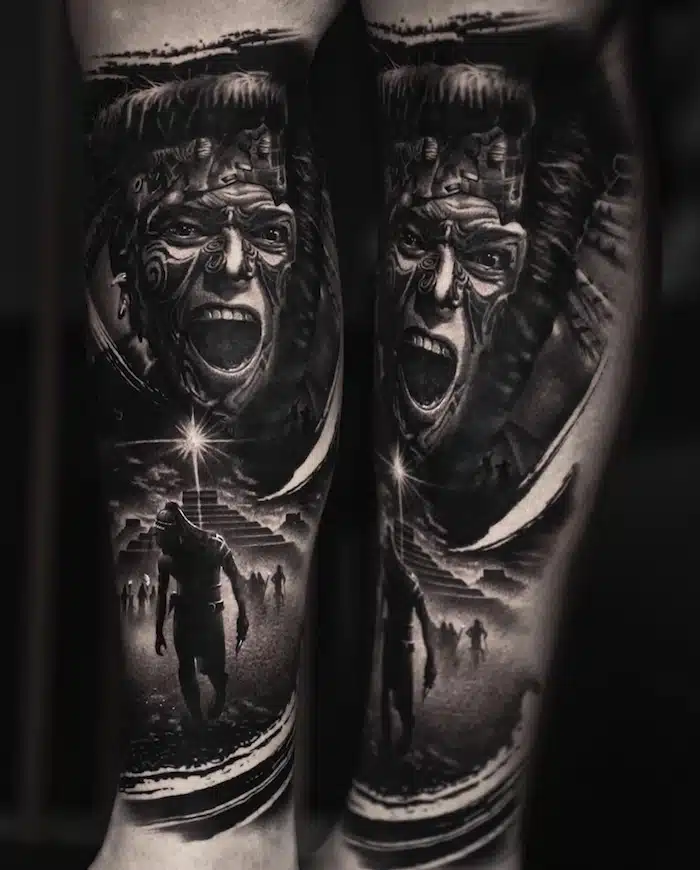
My style is mainly black and grey with a strong focus on atmosphere, contrast, emotion, and flow. I naturally gravitated toward darker and more expressive imagery over time.
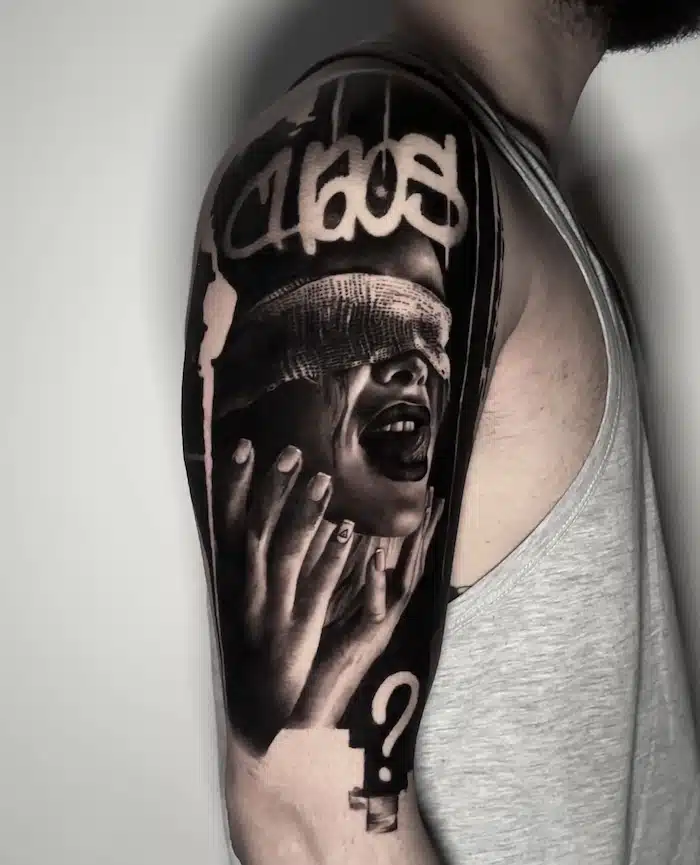
- Please walk us through your process when you start a new tattoo for your clients.
It usually starts with a conversation. I try to understand the person, the idea, and the feeling behind the tattoo before creating the design. After that, I adapt the composition to the body so the tattoo feels natural and alive.
- How do you stay creatively inspired?
Music, films, conversations, architecture, dreams, emotions, and everyday life. Inspiration comes from observing deeply.
- How do you balance client requests with your artistic vision?
I listen carefully to what the client wants, but I also guide the project in a way that keeps the tattoo visually strong and true to my style.
- Are there any tattoo styles you’d like to explore more?
I’m always interested in pushing larger conceptual projects and experimenting more with abstract and atmospheric compositions.
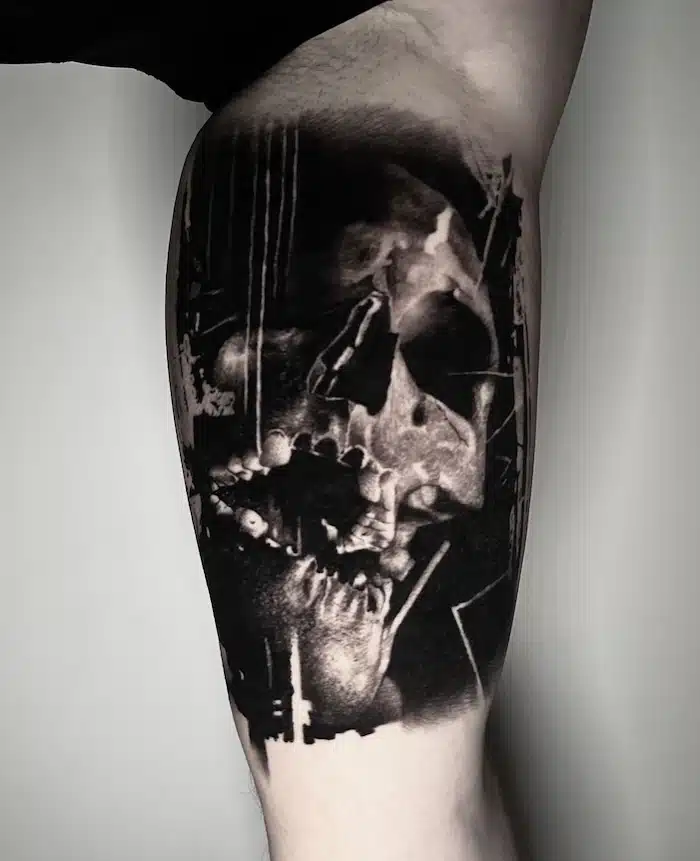
- What’s the most underrated tattoo style?
Styles with strong simplicity and solid composition are often underrated because people tend to focus only on complexity.
- What’s the most overrated tattoo style?
Any style that becomes trend-based without real artistic depth eventually loses meaning.
- Are there any tattoos you prefer not to do?
I avoid tattoos that have no connection, intention, or artistic value for me.
- Do you have sponsors?
I appreciate every brand and company that supports artists and helps push the culture forward. I previously worked with Pepax and now collaborate with Ozer.
- As a tattoo artist, what tattoo ethics are important to you?
Respect—for the client, for originality, for hygiene, and for the craft itself
- What’s your favorite way to keep learning?
Constant practice, studying other forms of art, and critically analyzing my own work.
- Do you like to teach or mentor upcoming artists?
Yes. I enjoy sharing knowledge because tattooing grows stronger when artists support and educate each other.
- What’s the best piece of advice you ever received to improve your tattooing technique?
Slow down and pay attention to the fundamentals. Strong basics create strong tattoos.
- How do you stay at the top of your game?
By never becoming too comfortable. I always try to evolve.
- What do you think separates a good tattoo artist from a great one?
Consistency, discipline, artistic honesty, and the ability to create work that truly connects emotionally with people.
- How do you feel about the growing acceptance of tattoos in society?
I think it’s positive because tattooing is becoming more understood as an art form rather than just a stereotype.
- What’s the biggest misconception that customers may have about tattoos?
That a tattoo is only about the final image. The process, trust, and experience are just as important.
- What’s the biggest trend in tattooing you have noticed in the last 5 years?
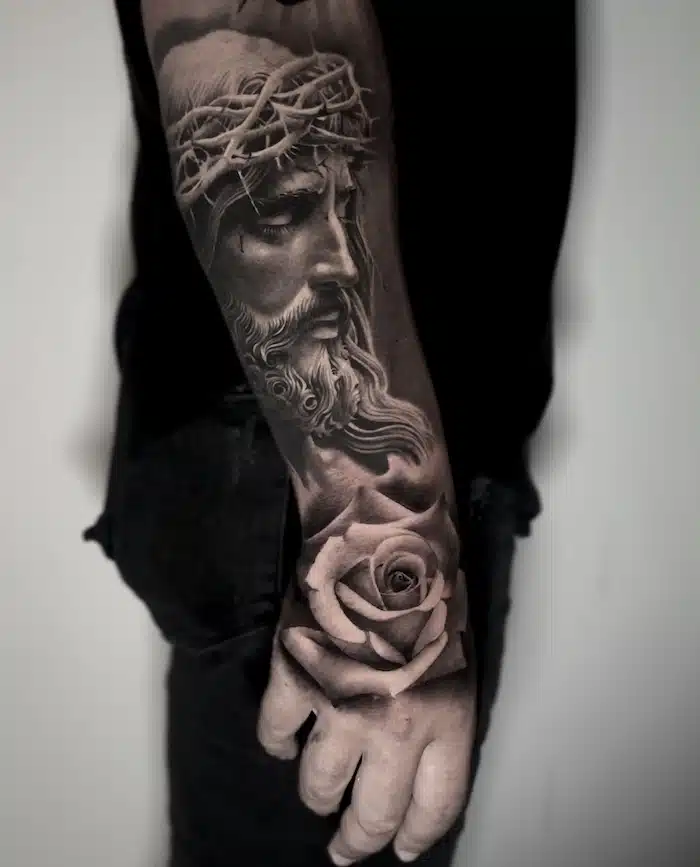
The rise of highly personalized tattoos and artists building stronger personal identities through their work.
- What’s your view on the rise of AI in tattooing?
AI can be a tool for inspiration, but it can never replace human emotion, experience, and artistic instinct.
- What would you change about the tattoo industry?
I would like to see more focus on originality and artistic integrity rather than pure social media validation.
- Do you work on other projects within the tattoo industry?
I’m interested in educational projects, seminars, and creating deeper experiences around tattooing and the artistic process.
- Do you do other forms of art besides tattooing?
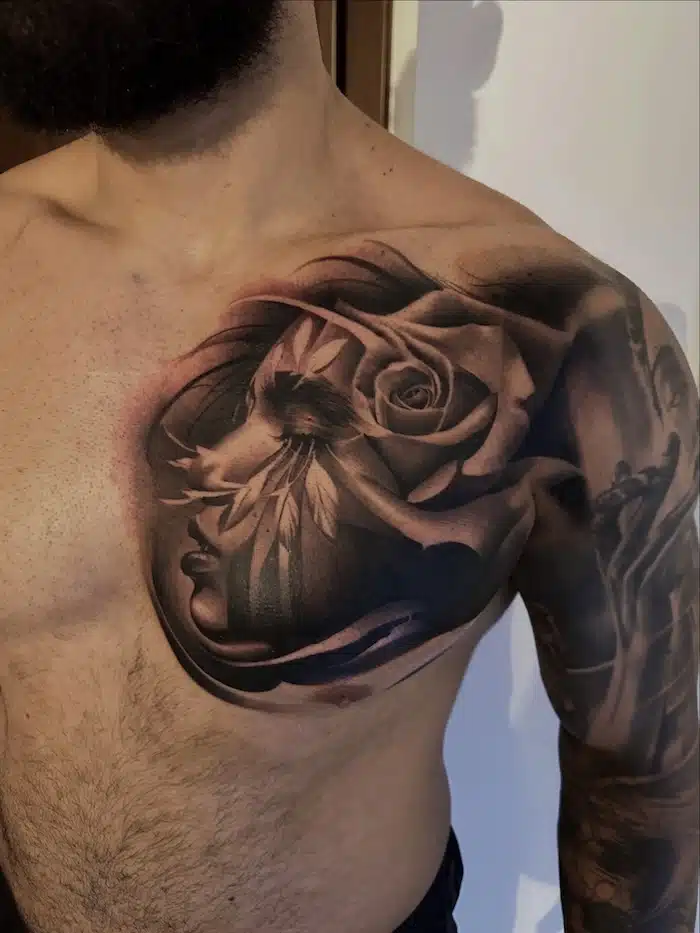
Yes. Designing and visual experimentation are still a big part of my creative life outside tattooing.
- Who are the people you admire the most within the tattoo community?
Artists who stay authentic, continue evolving, and inspire others through both their work and character.
- What’s your experience at tattoo conventions so far?
Conventions are intense but inspiring. They bring together artists from different backgrounds and create a unique energy around tattooing.
- How do you usually prepare for a tattoo convention?
I prepare mentally and creatively, organizing designs, equipment, and trying to bring my strongest work possible.
- What’s your primary reason to attend a tattoo convention?
To connect with artists, meet new clients, and push myself creatively.
- What’s your favorite tattoo convention so far? And why?
Marmaris Tattoo Convention stands out because of its atmosphere and the incredible artists from around the world who attend it.
Have you ever had the opportunity to participate in tattoo contests?
Yes, and it’s always an interesting experience to challenge yourself alongside other talented artists. I placed 3rd in the healed black and grey category three years ago and won 1st place in 2025 at the Marmaris Tattoo Convention.
- Do you collect tattoos from artists you meet at conventions?
Whenever the opportunity feels right, yes. It’s a way of carrying memories and connections with artists I respect.
- How do you think tattoo conventions could improve?
I’d like to see more focus on art, education, and meaningful interaction rather than pure competition or entertainment.
- Was there any event in particular that really boosted your career?
Every important step came from consistency over time rather than one single moment.
- Is there any tattoo that you have created in your career that you are particularly proud of?
The tattoos I’m most proud of are usually the ones that carried strong emotional meaning for the client while also pushing me creatively. One of the most important pieces for me is the full-leg spiritual tattoo that won at the convention.
- What is your greatest accomplishment as a tattoo artist?
Building a style and identity that people genuinely connect with.
- What advice would you offer to someone considering a career as a tattoo artist?
Be patient, stay disciplined, and respect the craft. Tattooing is much deeper than what people see online.
- What are your goals or dreams for the near future?
To continue evolving artistically, travel more, connect with more people through my work, and create larger meaningful projects.
- What legacy do you want to leave as a tattoo artist?
I want my work to be remembered for honesty, emotion, and individuality.
- To close this awesome interview, what’s your last message to our readers?
Stay true to what genuinely moves you. The strongest art always comes from something real.
 |

Leave A Comment