

Lena Zhdanova is a Toronto-based fine line tattoo artist whose work is rooted in precision, storytelling, and intentional design. With nearly 12 years in the industry, her path into tattooing was anything but traditional—moving from writing and marketing into a craft that ultimately felt more aligned with who she is. That shift shaped not only her career, but also the way she approaches each tattoo today.
Lena’s style focuses on subtlety and control, where every line carries weight and meaning. Rather than treating tattoos as decoration, she sees them as personal decisions—pieces that live on the body and reflect something deeper. This perspective informs both her creative process and the way she connects with clients.
Balancing artistry with emotional awareness, Lena approaches tattooing as both a visual and human experience. Through careful design, honest communication, and a commitment to originality, she continues to create work that feels quiet, precise, and lasting.
Let’s step into her world.
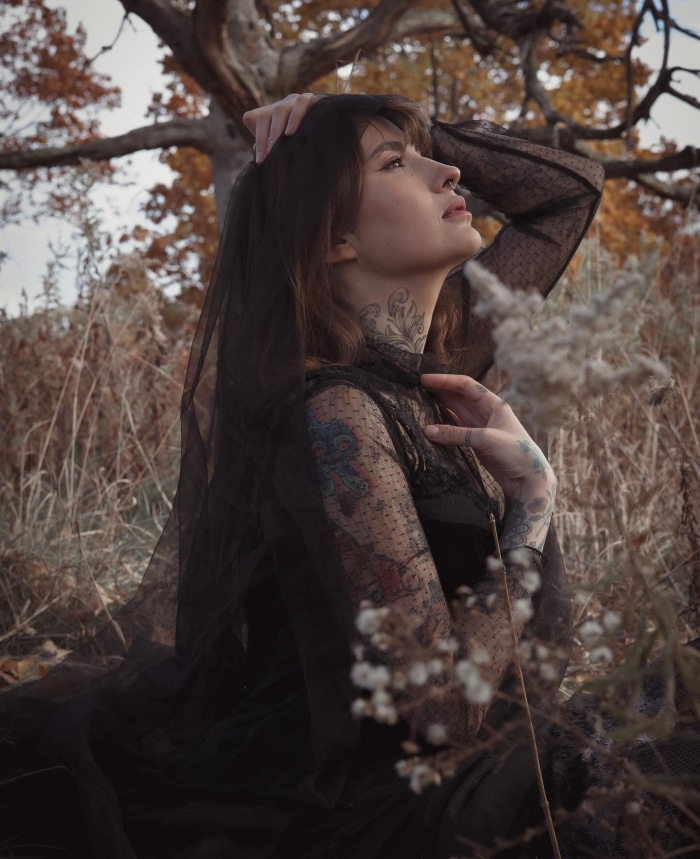
- How would you like to introduce yourself?
My name is Lena Zhdanova, and I’m a fine line tattoo artist based in Toronto. I’ve been tattooing for almost 12 years. This career found me more than I found it—I started in writing and marketing before realizing tattooing was what truly fit me.
- Where can your clients find you?
I work at Flame Wise Ink in Toronto, and I’m also active on Instagram at @palena_tattoo.
- How would you describe the tattoo scene in your country these days?
Canada’s tattoo scene is growing quickly, but it’s still maturing. Many clients don’t always recognize technical quality, and I also see a rise in people seeking tattoos as a way to cope with stress or emotion. While there’s truth to that, I tend to decline those cases. For me, the process matters as much as the result—tattoos should come from intention, not impulse.
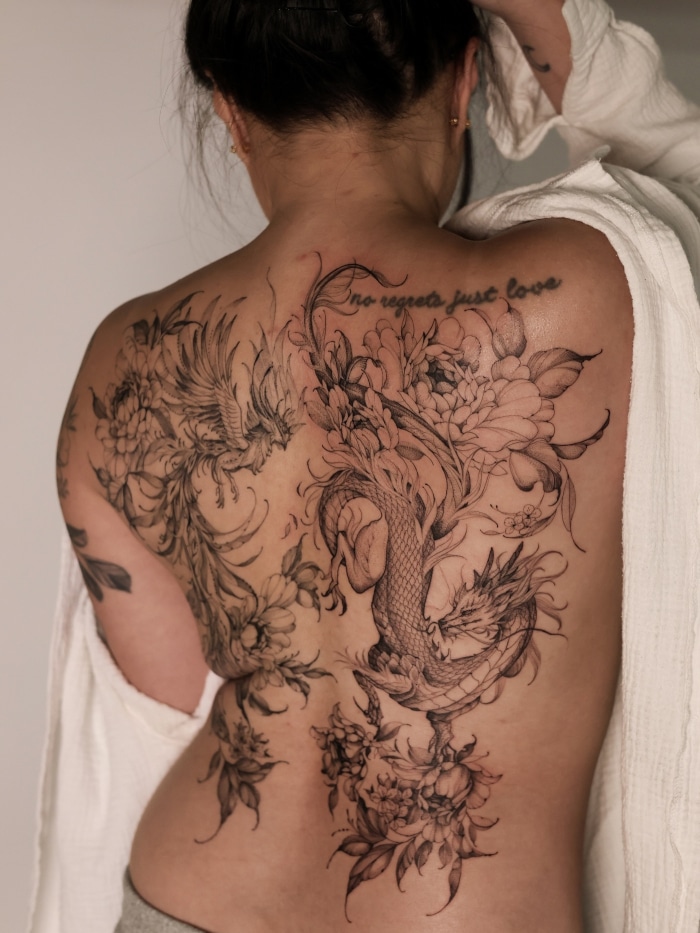
- How would you define yourself in one word?
Creative—it’s been a constant through every stage of my life.
- Where did your fascination for tattoos come from?
It developed gradually. I was always drawn to art that evokes something deep and quiet—my father took me to galleries as a child, and those early experiences stayed with me. Tattooing felt like a natural extension of that—art that people choose to carry with them permanently.
- What does tattooing mean to you personally?
It’s where storytelling meets visual art. Every client brings a piece of their life—who they are, what they’ve been through—and I help translate that into something permanent. That responsibility keeps me grounded and grateful.
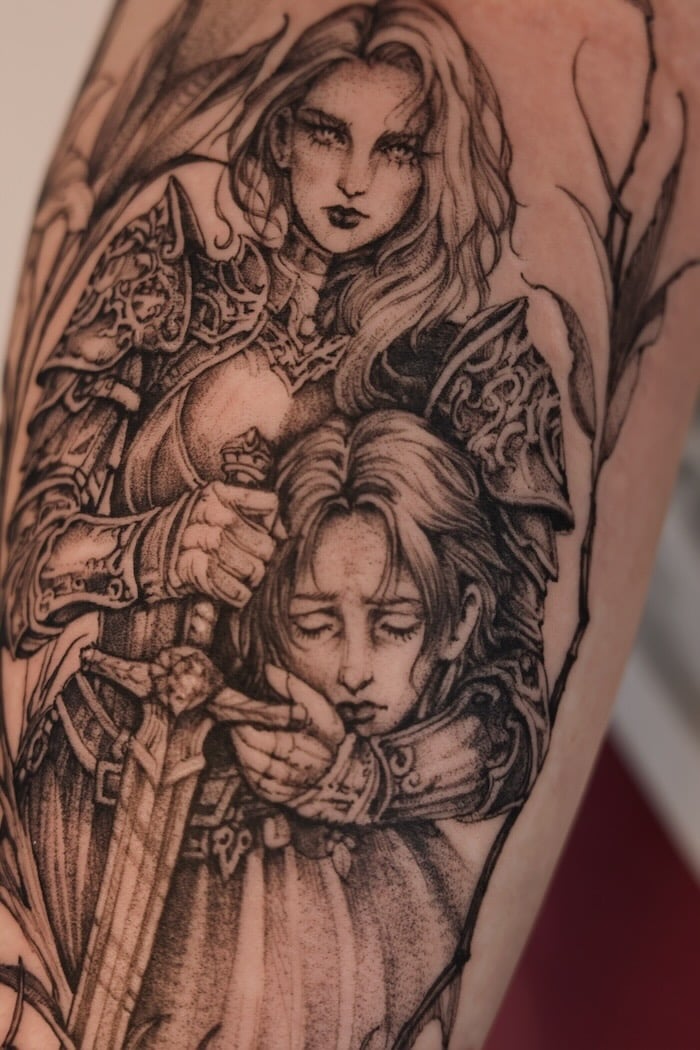
- At what point in your life did you decide to become a professional tattoo artist?
After years of following a traditional path, I realized I was spending all my time drawing and thinking about tattoos. When your passion starts overtaking your career, you have to listen.
- How did your family react when you started a career in tattooing?
They were surprised at first, but over time they saw how serious I was and became supportive.
- Did you go through an apprenticeship? How was that experience?
Yes, and it was very humbling. It taught me patience and discipline. I already had a strong foundation from practicing on my own, but the experience helped me refine my mindset and approach.
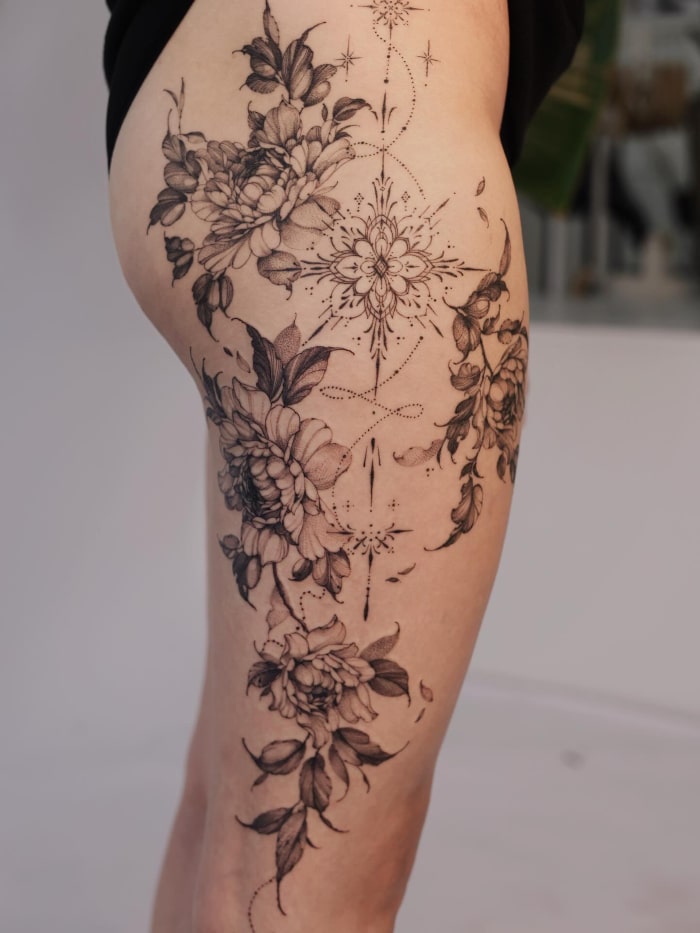
- What did your first tattoo look like?
It was simple. Looking back, it’s a mix of nostalgia and learning—but that’s part of the process.
- Do you usually do guest spots? If yes, what’s your experience in doing them?
Yes, I’ve worked in cities like Belgium, Portugal, Vancouver, and previously in Moscow and Tel Aviv. Each place has its own energy and clients, and traveling has been a huge part of my growth.
- As a tattoo artist, what does your daily working routine look like?
Every day is different, which I love. It includes design preparation, adjusting ideas with clients, tattooing with full focus, and handling the business side—communication, social media, and admin. It’s both an art and a full-time business.
- What is one surprising aspect of being a tattoo artist?
How much of the work is about human connection. You’re not just creating art—you’re working with people’s stories and emotions.
- How do you determine the price of a tattoo?
It depends on time, complexity, placement, and experience. Fine line work often looks simple, but it requires a high level of precision and control.
- What’s the most challenging aspect of being a tattoo artist in 2026?
Balancing visibility on social media with staying true to your own artistic direction.
- What’s the most rewarding aspect of being a tattoo artist?
Seeing a client’s reaction when they first see their tattoo. That moment never really loses its impact.
- What tools and machines do you prefer to use?
Tools designed for precision and consistency—fine line work doesn’t leave much room for error.
- What’s your number one aftercare advice for clients?
Keep it simple. Let it heal naturally and moisturize properly without overdoing it.
- How would you define your current tattoo style, and how did you end up focusing on it?
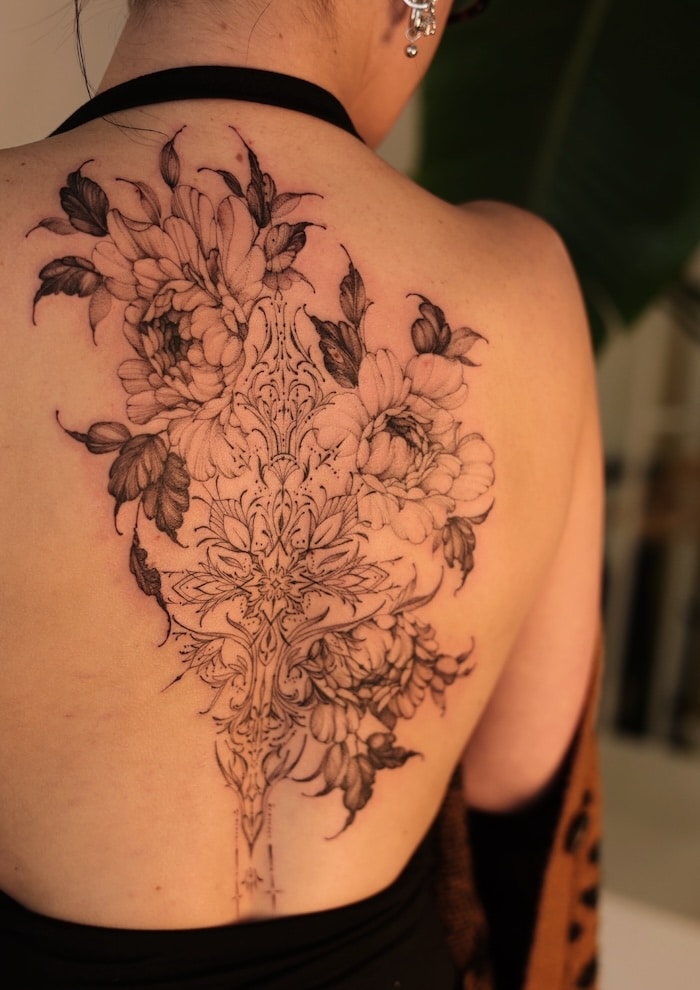
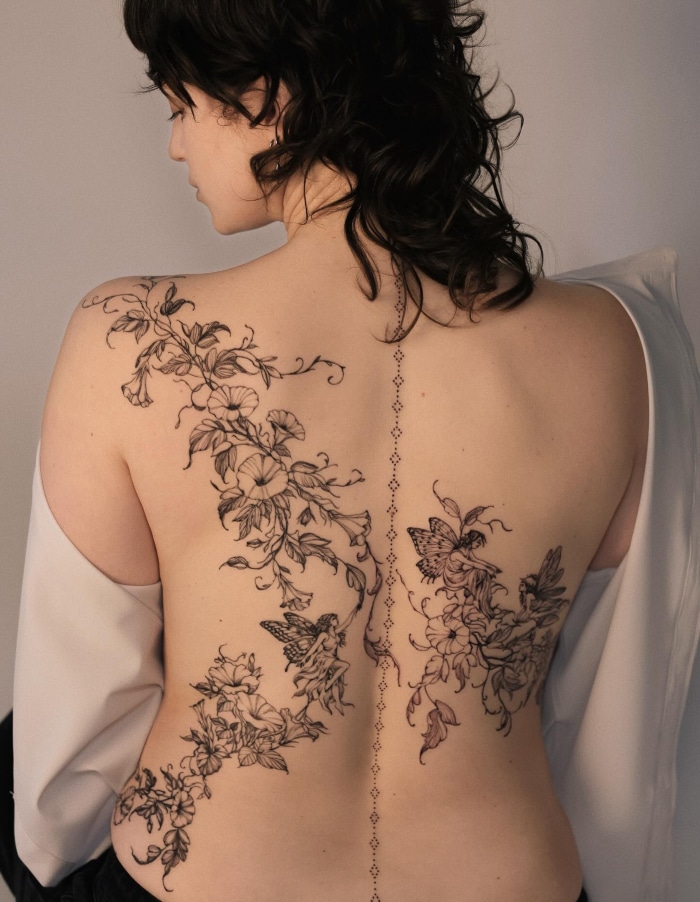
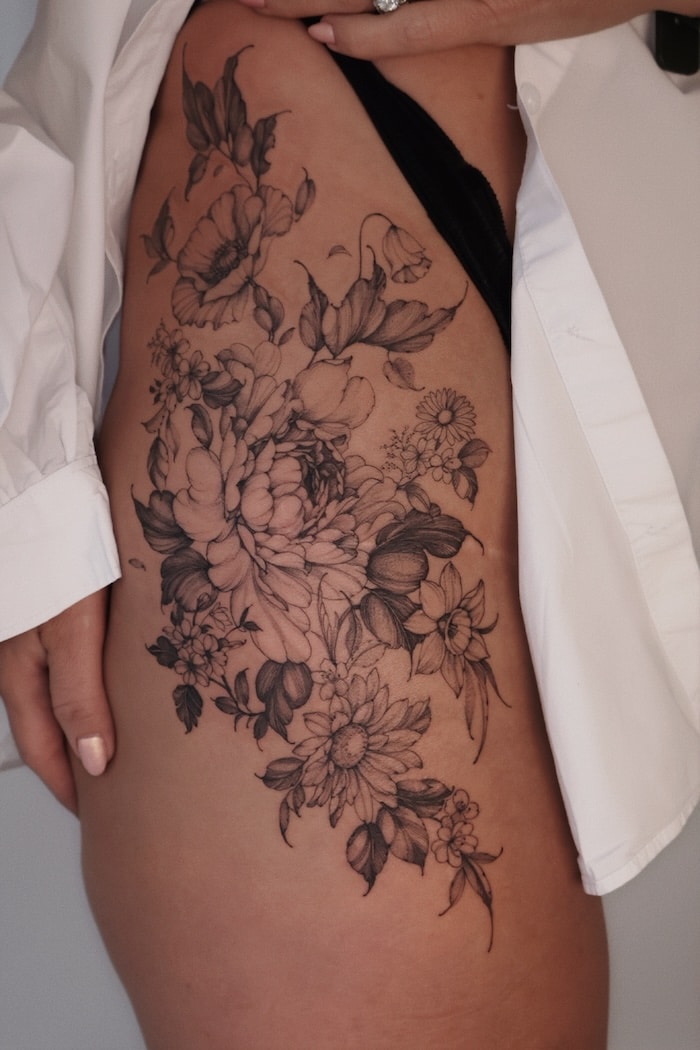
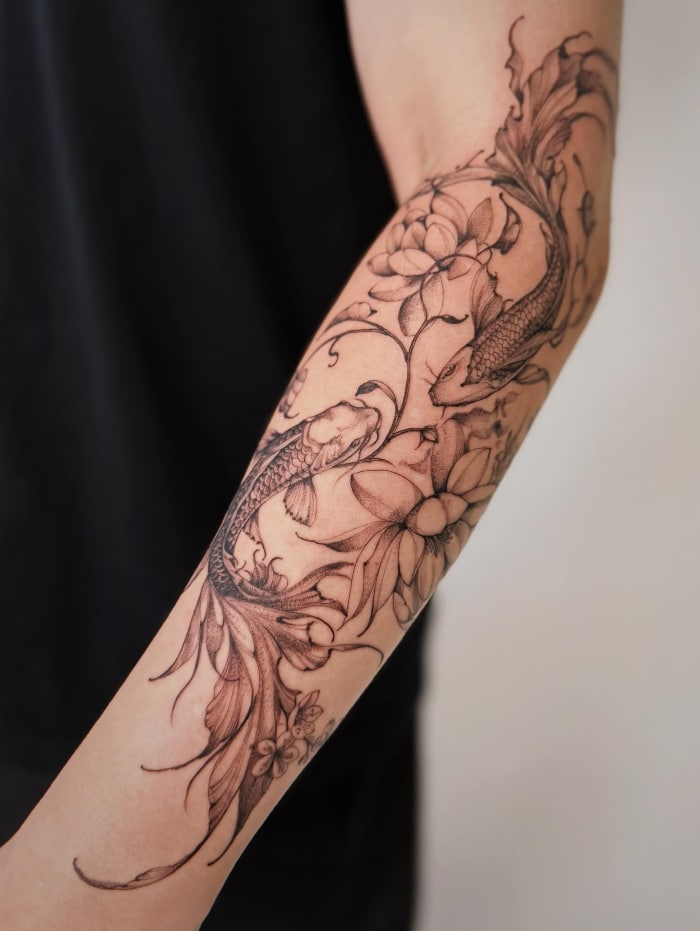
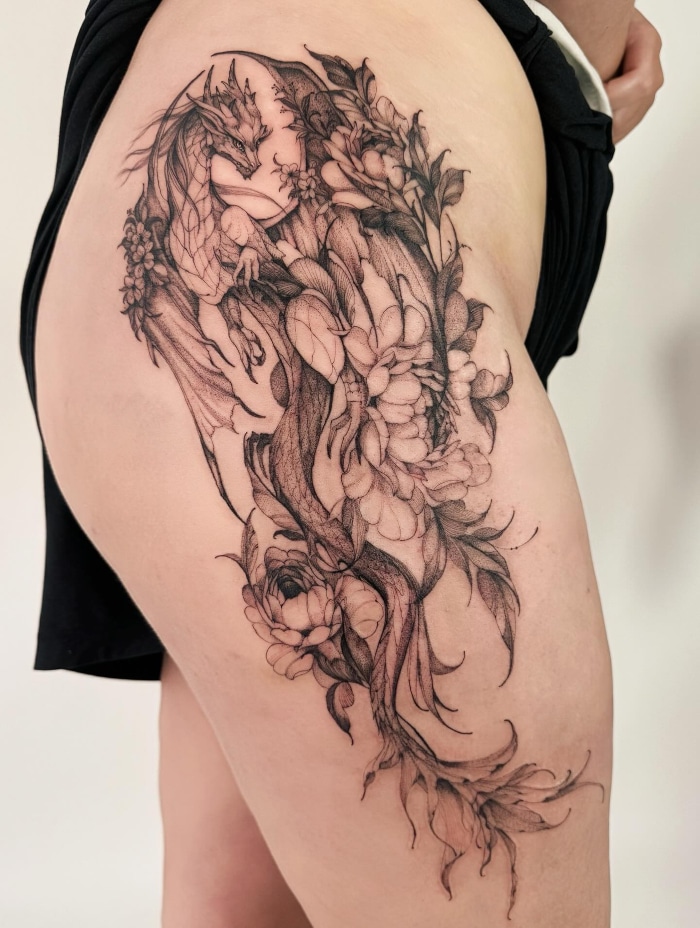
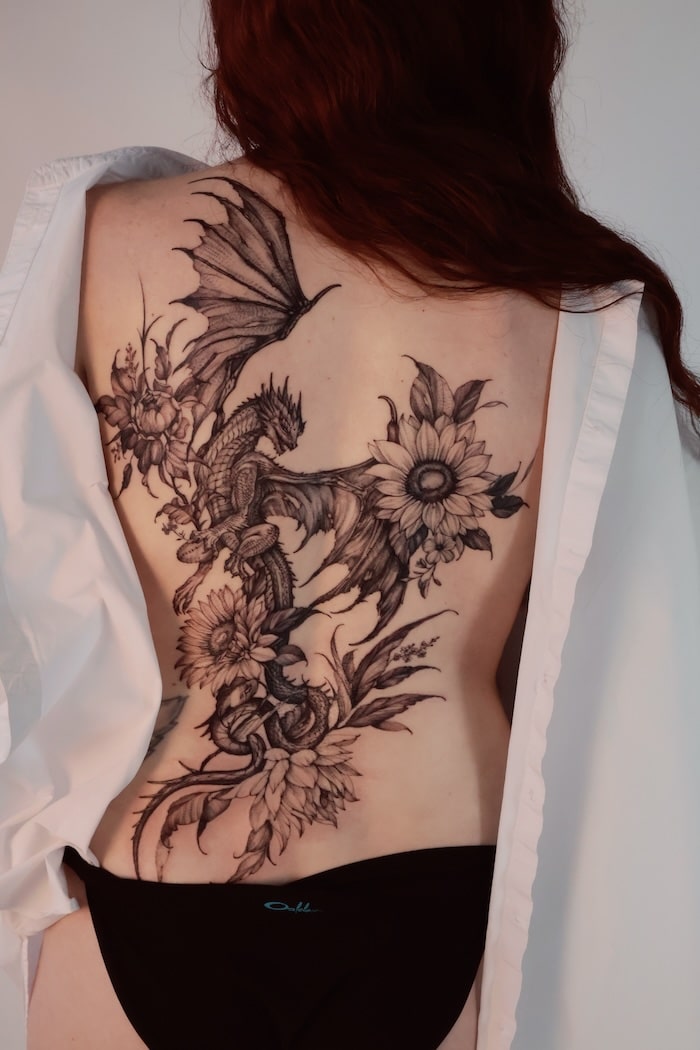
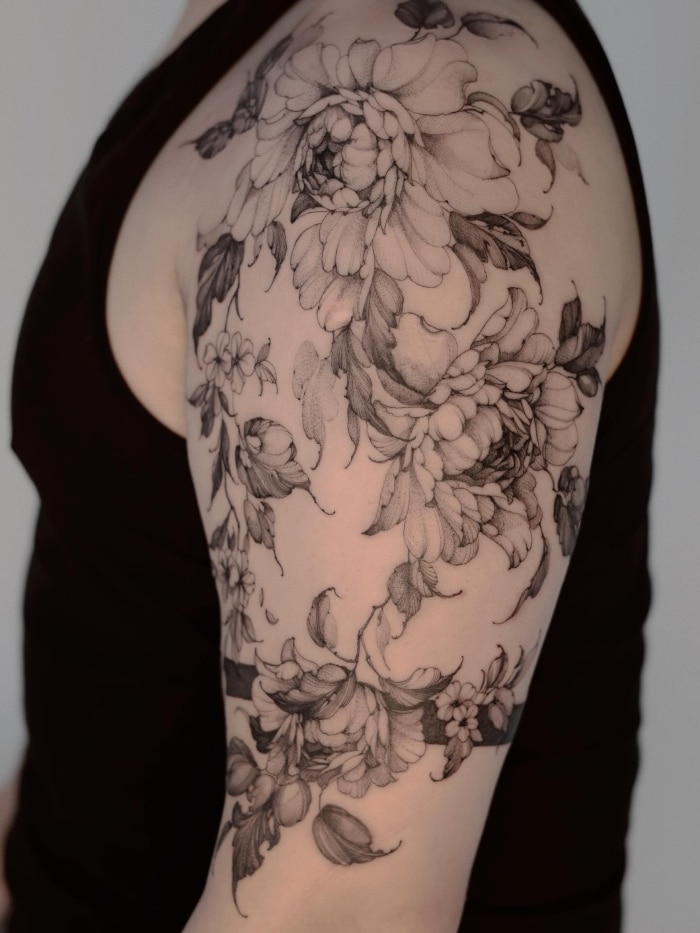
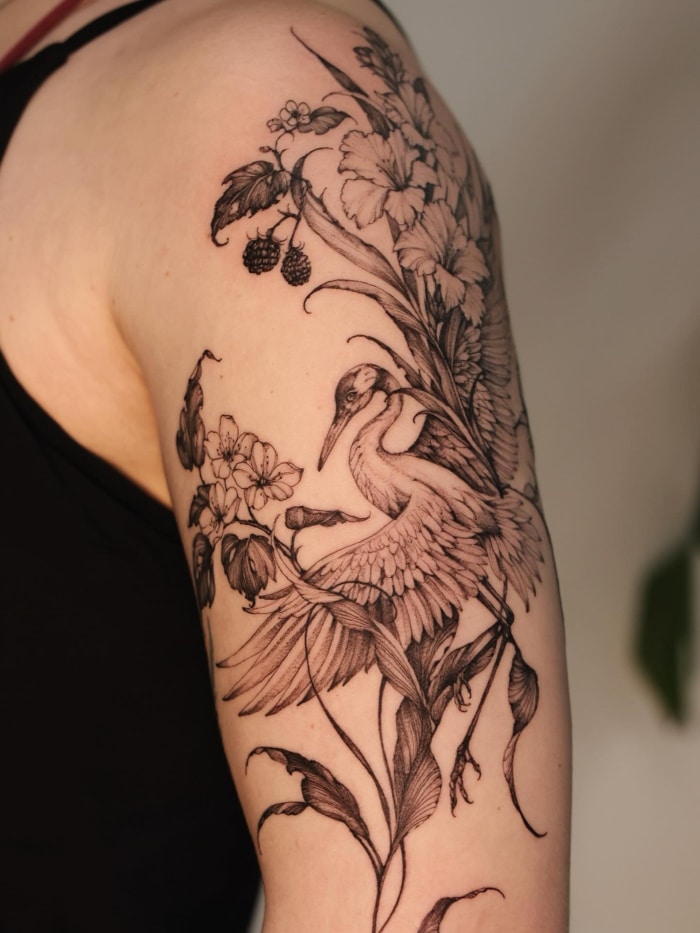
Fine line—delicate, detailed, and intentional. It aligns with how I see beauty and challenges me to stay precise and controlled. Over time, I naturally gravitated toward it.
- Please walk us through your process when you start a new tattoo for your customers.
It starts with a conversation to understand the meaning behind the tattoo. Then I design with placement, flow, and longevity in mind. We refine it together before starting.
- How do you stay creatively inspired?
Through everyday life—reading, observing, traveling, and exploring art outside of tattooing.
- How do you balance client requests with your artistic vision?
It’s a dialogue. The client brings meaning, and I bring experience. The goal is to create something that feels personal but also works long-term.
- Are there any tattoo styles you’d like to explore more?
I’d like to expand fine line into more textured and illustrative directions.
- What’s the most underrated tattoo style?
Thoughtful blackwork—it can be incredibly refined when done with intention.
- What’s the most overrated tattoo style?
No style is inherently overrated, but trends without meaning tend not to age well.
- Are there any tattoos you prefer not to do?
Anything that doesn’t align with my style or values. I prefer to be honest rather than compromise quality.
- Do you have sponsors?
No, I prefer to recommend products based on personal experience.
- As a tattoo artist, what kind of tattoo ethics are really important to you?
Originality, proper placement, and transparency. Every tattoo should be designed specifically for the person wearing it.
- Being a successful tattoo artist requires many different skills. What’s your favorite way to keep learning?
Consistent practice, studying technique, and taking masterclasses.
- Do you like to teach or mentor upcoming artists?
I’m becoming more open to it. Sharing knowledge feels more meaningful as I grow.
- What’s the best piece of advice you ever received to improve your tattooing technique?
Never assume you’ve reached your peak. There’s always more to learn.
- How do you stay at the top of your game?
By staying disciplined, focused, and fully present with each project.
- What do you think separates a good tattoo artist from a great one?
A great artist knows how to elevate an idea and guide clients away from choices that won’t work long-term.
- How do you feel about the growing acceptance of tattoos in society?
It’s a positive shift, even if some stigma still exists.
- What’s the biggest misconception that customers may have about tattoos?
That certain placements or designs will age perfectly without considering how the skin changes over time.
- What’s the biggest trend in tattooing you have noticed in the last 5 years?
Styles like cyber tribal and patchwork, although I personally lean toward more timeless work.
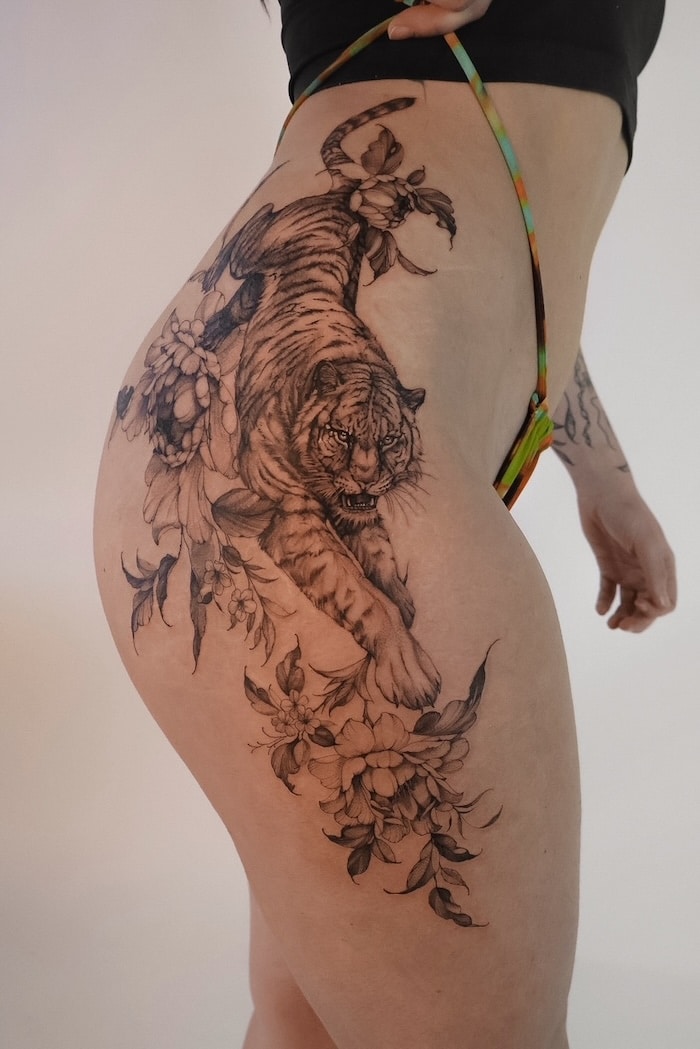
- What’s your view on the rise of AI in tattooing?
It can be a tool, but it shouldn’t replace originality or creative thinking.
- Do you do other forms of art besides tattooing?
Yes, writing has always been a big part of my life alongside drawing.
- Who are the people you admire the most within the tattoo community?
There are many, especially artists who combine strong technique with a thoughtful approach to the craft.
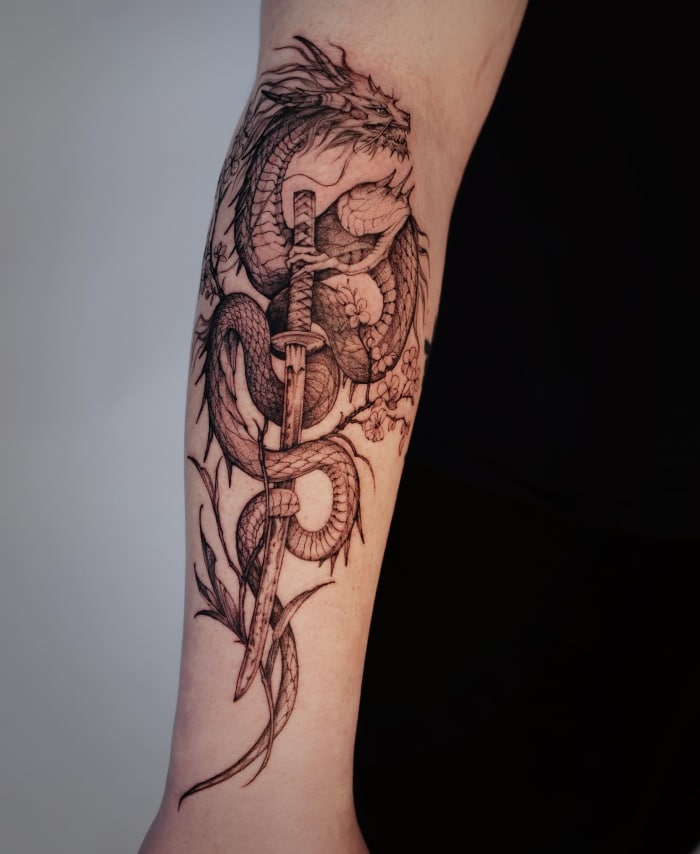
- What’s your experience at tattoo conventions so far?
Tattooing feels natural to me, but the competition aspect is intense. Waiting for results is nerve-wracking, even overwhelming at times.
- How do you usually prepare for a tattoo convention?
I focus on finding the right model and preparing a strong design. The rest is about executing it at the highest level.
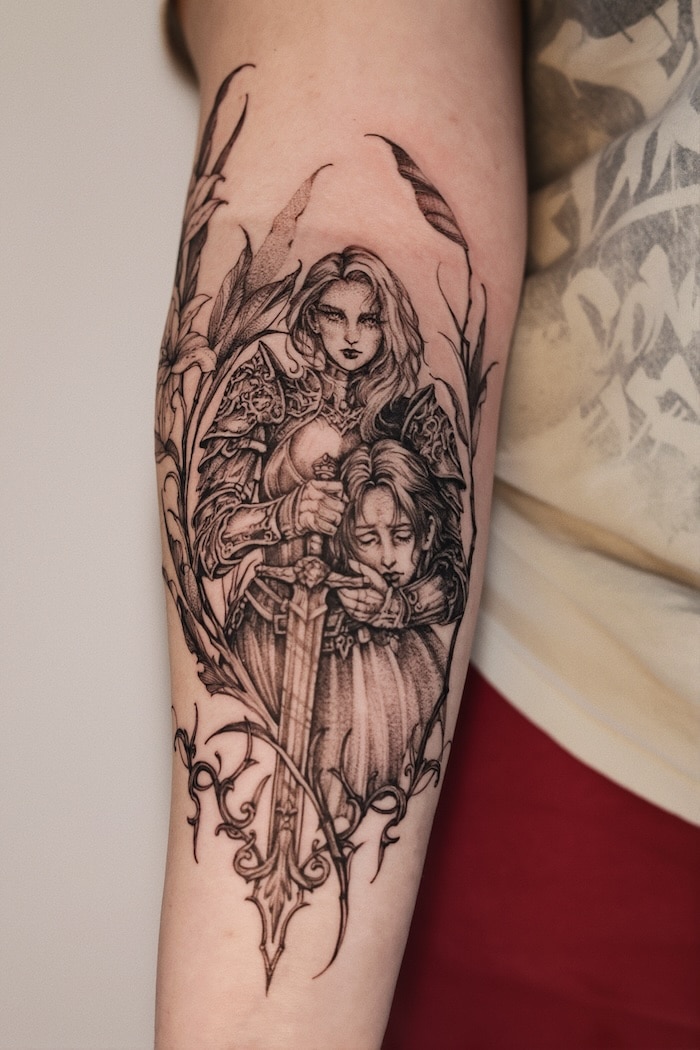
- What’s your primary reason to attend a tattoo convention?
Honestly—awards, visibility, and pushing myself creatively.
- What’s your favorite tattoo convention so far? And why?
NIX in Toronto stands out because of the level of artists—it’s both inspiring and humbling.
- Have you ever had the opportunity to participate in any tattoo contests? Have you won any awards?
Yes, I’ve won Best Fine Line and Best Illustrative in both 2023 and 2024.
- Do you collect tattoos from artists you meet at conventions?
Not often. I’m selective, and space is limited at this point.
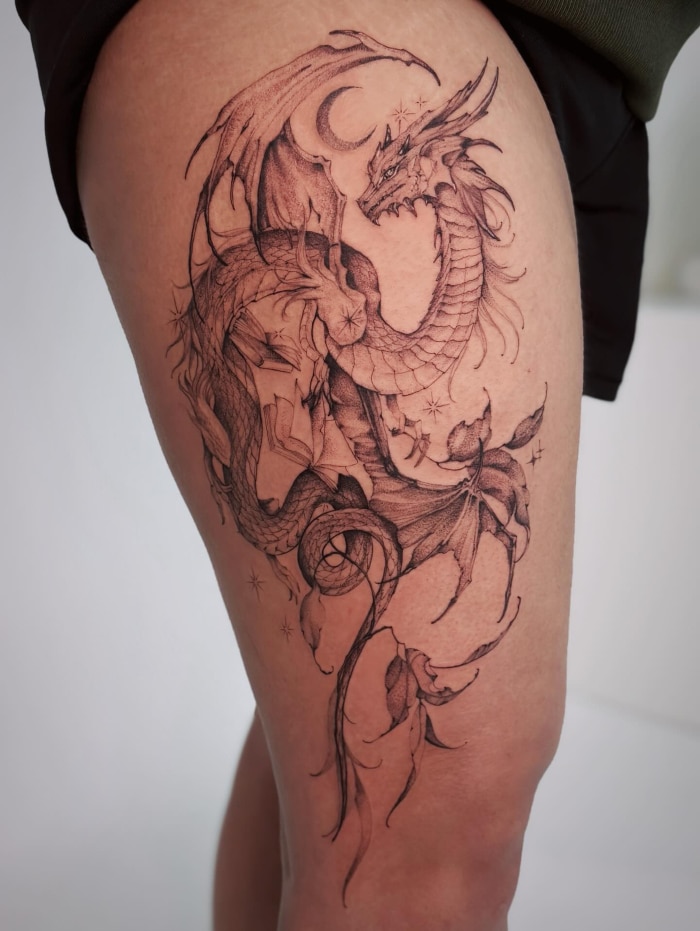
- How do you think tattoo conventions could improve for both artists and the public?
Healed and fresh tattoos should be judged separately—it would make competitions more fair and accurate.
- Was there any event in particular that really boosted your career?
Not one specific moment—growth has been gradual through consistent work, clients, and recognition.
- Is there any tattoo that you have created in your career that you are particularly proud of?
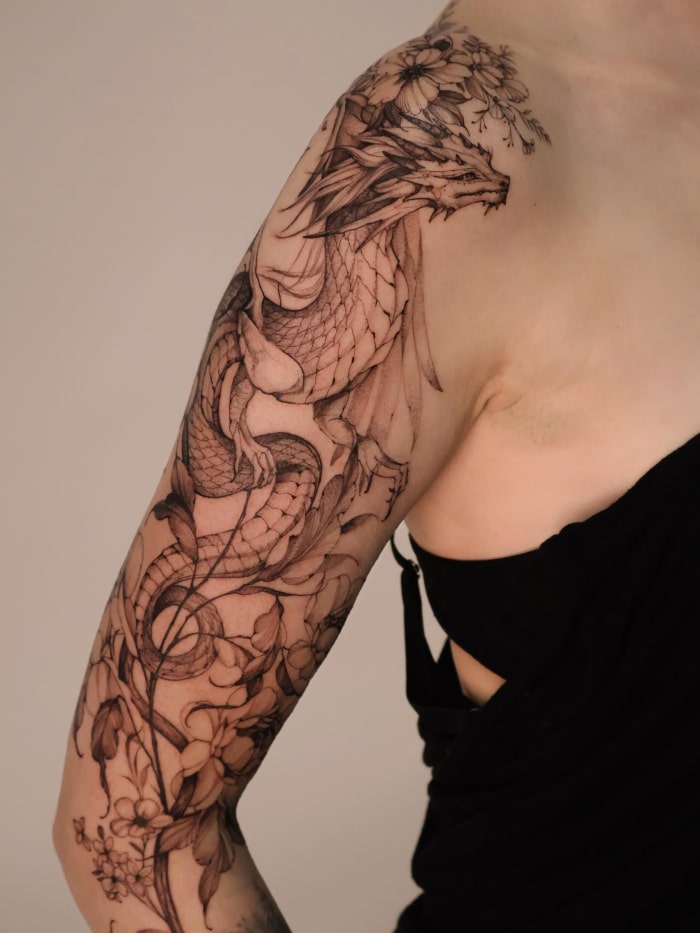
I’m especially proud of pieces where emotion comes through clearly—often mythological or expressive works.
- What is your greatest accomplishment as a tattoo artist?
The emotional impact my work has on clients. That matters more than anything else.
- What advice would you offer to someone considering a career as a tattoo artist?
Respect the craft, build strong fundamentals, and don’t chase trends or quick success.
- What are your goals or dreams for the near future?
To reach the highest level in my field and continue evolving creatively.
- What legacy do you want to leave as a tattoo artist?
A more supportive, thoughtful, and artistically driven industry.
- To close this awesome interview, what’s your last message to our readers?
I’ll be honest—what still gets to me, even after all these years, is seeing designs copied without care or respect. It happens in every creative field, but it never really stops stinging. Protect originality and respect the work behind every sketch.
At the same time, I genuinely love this world we’re part of—the tattoo community, the craft, the conversations, even the chaos of it all. It’s imperfect, but it’s also what makes it so real. I wouldn’t trade it for anything.


Leave A Comment