

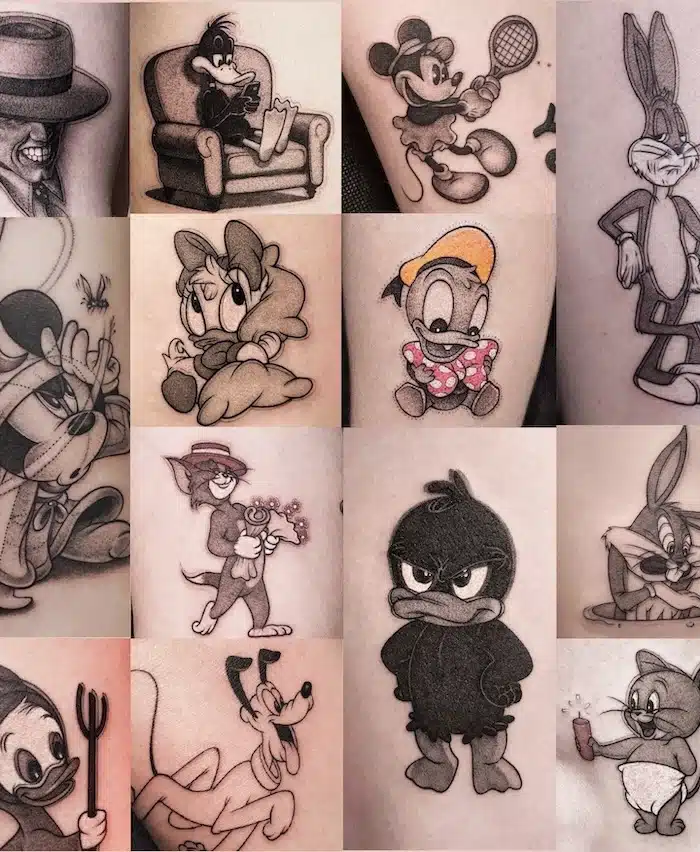
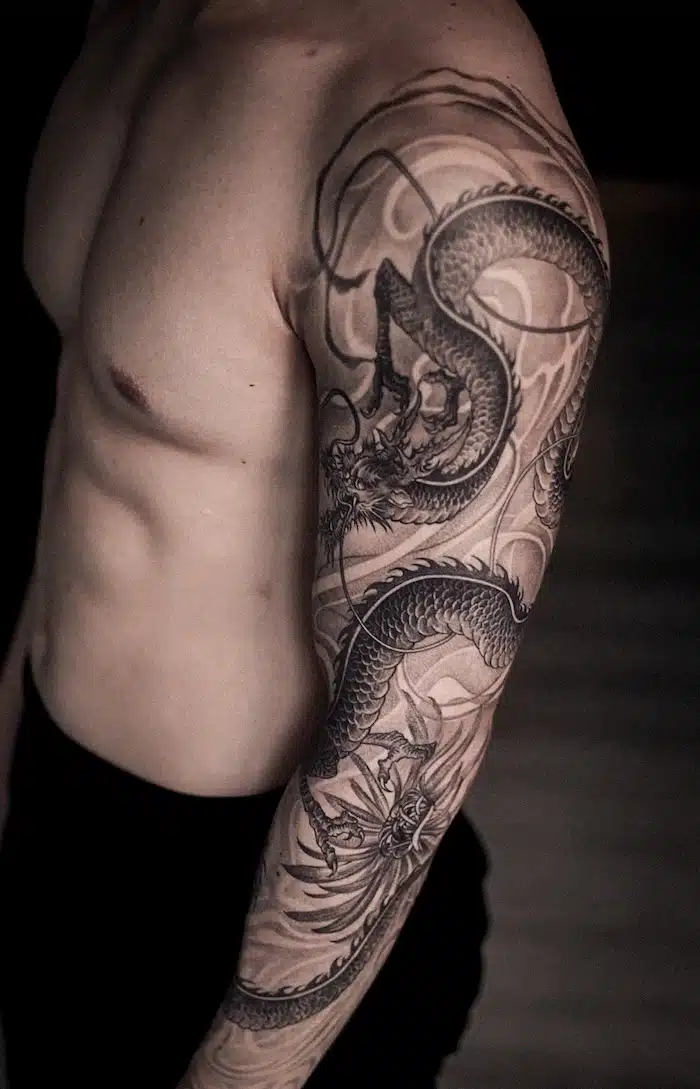
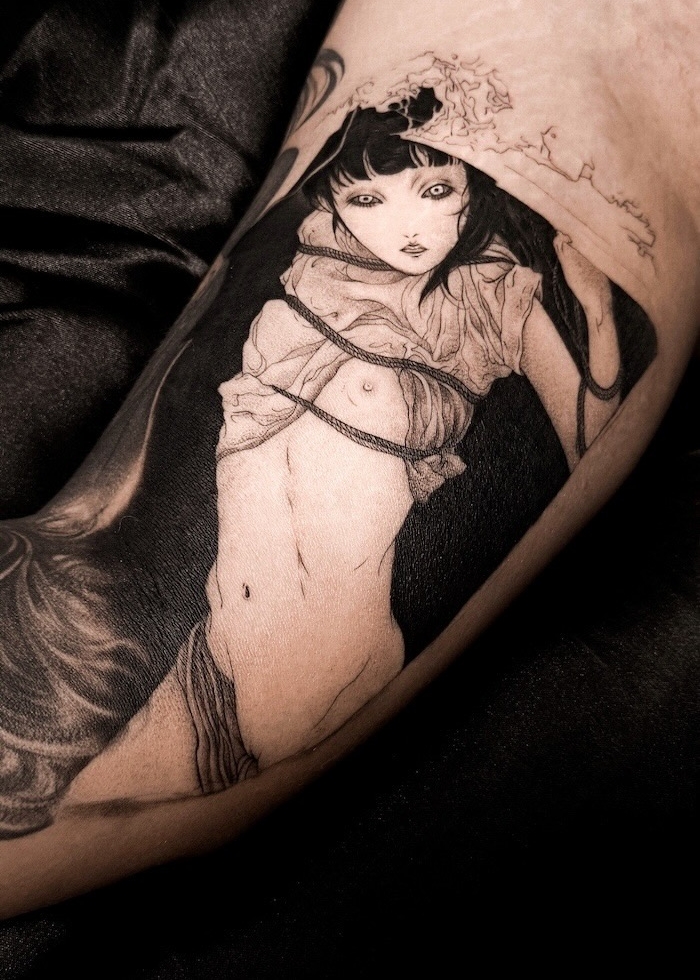
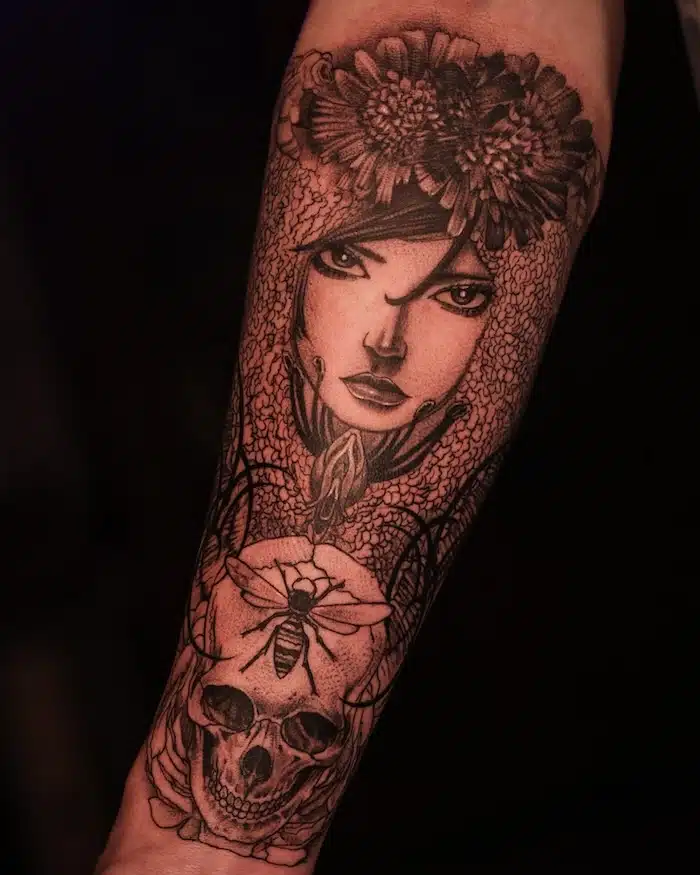
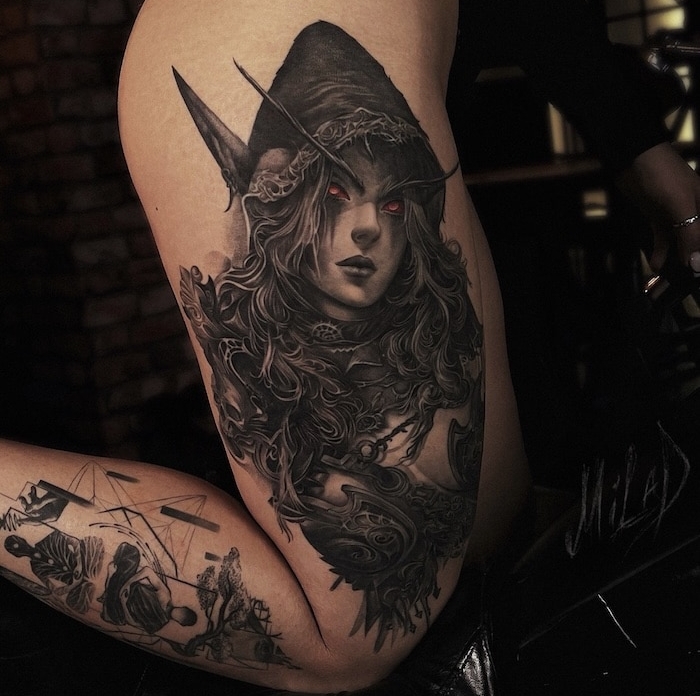
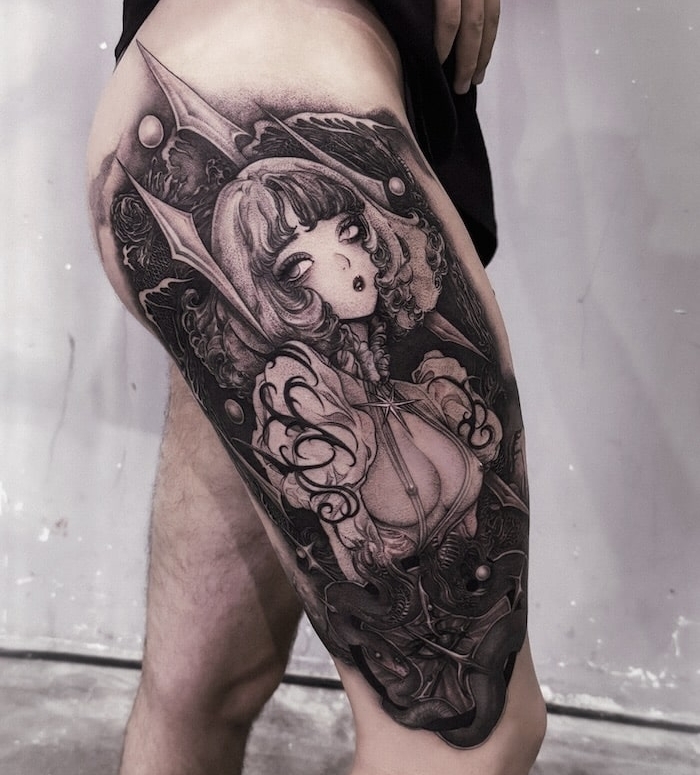
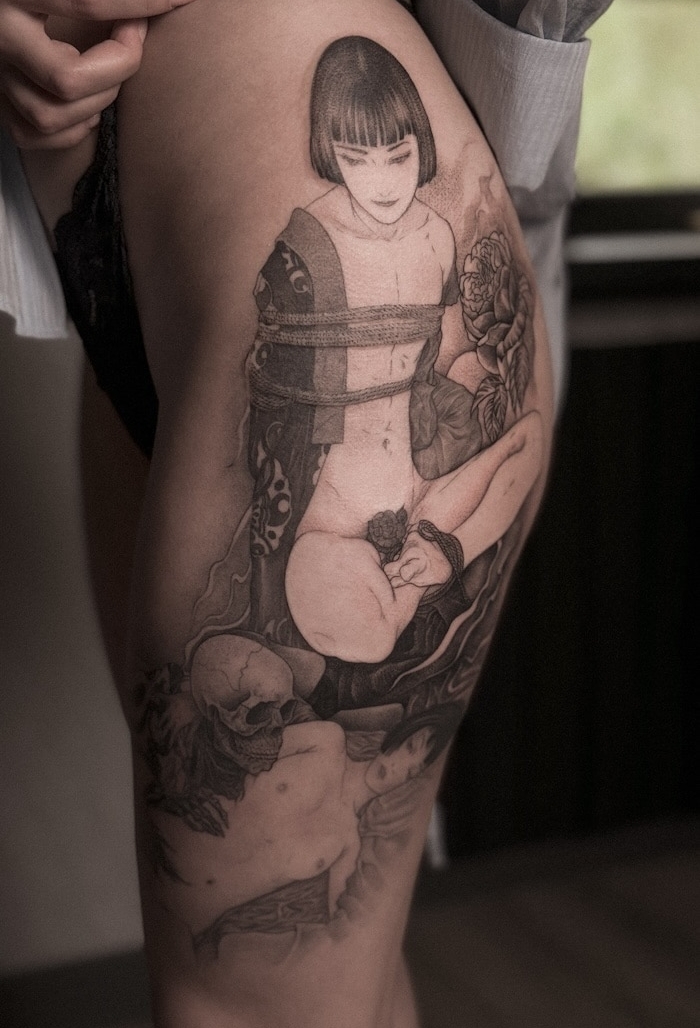
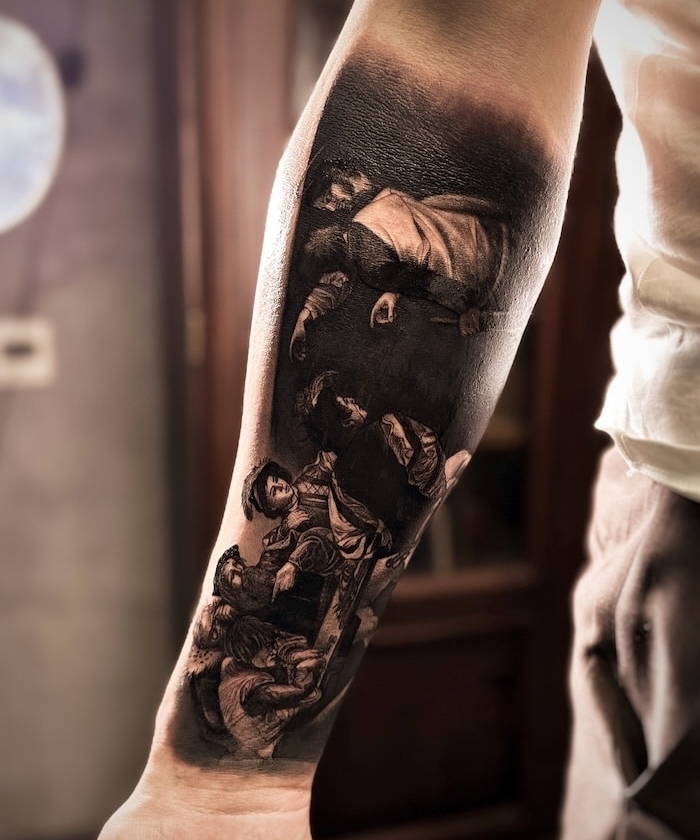
Milad Maedin is a tattoo artist recognized for his precise, pencil-inspired style that brings a sense of softness and depth to skin. Based in Tashkent and working internationally, he creates highly detailed, custom pieces that reflect both his artistic vision and the individuality of his clients. His work stands out for its fine-line execution and the ability to translate traditional drawing techniques into tattooing.
His path into tattooing began with a strong foundation in drawing from a young age, eventually leading him to pursue tattooing professionally at 17. Over time, Milad developed a distinct approach centered on control, detail, and continuous experimentation. Rather than following trends, he focuses on building an authentic artistic identity, supported by discipline, daily practice, and a commitment to long-term growth.
Beyond tattooing, Milad explores other creative fields such as painting and 3D modeling, while also expanding his presence through international work and conventions. He views tattooing as both a craft and a form of personal expression, aiming to leave behind a recognizable artistic signature. His long-term vision is to grow globally, inspire other artists, and contribute something meaningful and lasting to the tattoo industry.
Let’s step into his world.
- How would you like to introduce yourself?
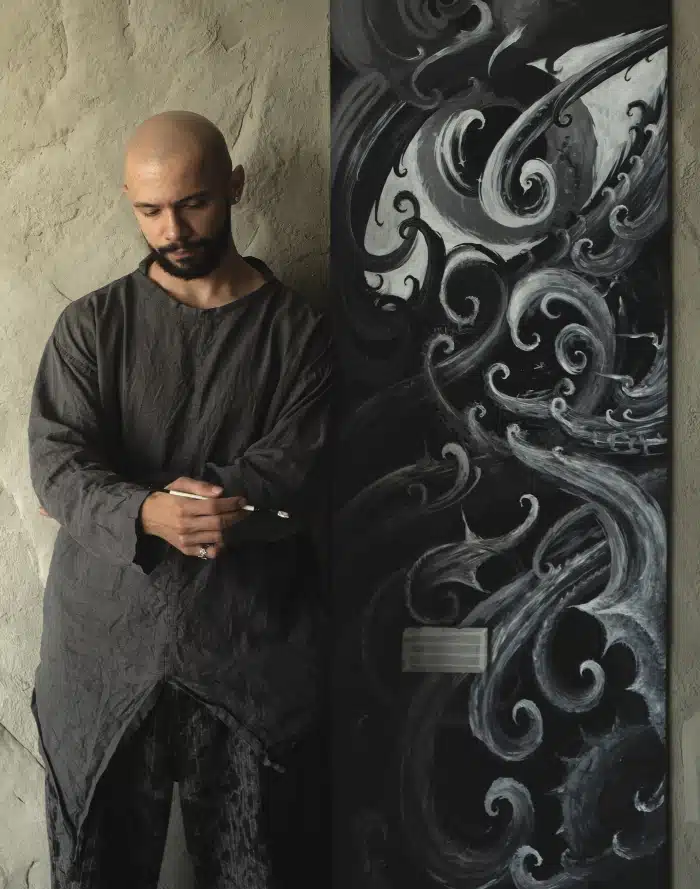
My name is Milad Maedin, a tattoo artist focused on developing a distinctive, detail-driven approach inspired by pencil drawing on skin.
- Where can your clients find you?
I am currently based in Tashkent, where I run my studio, Time Machine. I also plan to work in Bangkok at Yellow Hippies.
- How would you describe the tattoo scene in your country these days?
The tattoo scene in Tashkent is evolving dynamically. Interest in tattoo culture is growing, although some parts of society still view it negatively due to cultural and religious influences. I’ve personally invested a lot of effort into helping develop the industry locally.
- How would you define yourself in one word?
Persistent.
- Where did your fascination for tattoos come from?
My passion started in my teenage years. I had been drawing since childhood, and at 15 I focused on hyper-realistic pencil work. At 16, after meeting tattoo artists and seeing professional tattoos for the first time, I became deeply inspired to pursue it myself.
- What does tattooing mean to you personally?
Tattooing is a combination of art, craft, and human connection. It has a strong emotional and philosophical dimension for me—I put a part of myself into every piece I create.
- At what point in your life did you decide to become a professional tattoo artist?
At 17, I decided to take tattooing seriously as a career after realizing how naturally drawing translated onto skin and how strongly people connected with my work.
- How did your family react when you started a career in tattooing?
They were surprised at first, but also curious and supportive, especially since no one in my family had a creative background.
- Did you go through an apprenticeship? How was that experience?
Yes, I trained under two experienced artists. It was intense and full of mistakes, but those mistakes became valuable lessons. It was both challenging and exciting.
- What did your first tattoo look like?
It was a simple black cross on a leg. The linework wasn’t perfect, but it was an important learning experience.
- Do you usually do guest spots? If yes, what’s your experience in doing them?
Yes. I’ve worked in cities like Saint Petersburg, Moscow, and Shanghai. Guest work has been driven mostly by client demand and has been incredibly valuable for growth and exposure.
- As a tattoo artist, what does your daily working routine look like?
I start my day around 10–11 AM with a short workout, followed by preparation and reviewing designs. I arrive early at the studio to set up and usually tattoo for about 7 hours, with short breaks. After sessions, I document my work and then rest or go for a run.
- What is one surprising aspect of being a tattoo artist?
The freedom. Being able to travel, create your own schedule, and draw for a living still feels unreal. Also, every session is unpredictable, which keeps it exciting.
- How do you determine the price of a tattoo?
I charge per session, typically between $700–$900. Pricing depends on time, artistic value, originality, and execution quality.
- What’s the most challenging aspect of being a tattoo artist in 2026?
Maintaining a strong social media presence and adapting to content trends, especially short-form video, while balancing the time-intensive nature of tattooing.
- What’s the most rewarding aspect of being a tattoo artist?
Turning an idea into a finished piece on skin and knowing it will stay with someone for years.
- What tools and machines do you prefer to use?
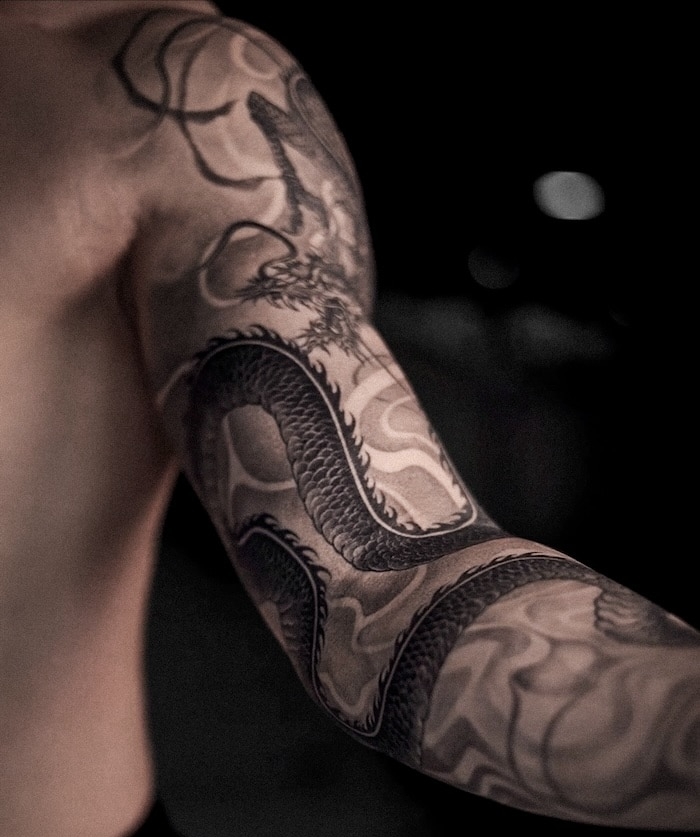
I use Bishop Rotary machines and cartridges like DaVinci, WJX, and Cheyenne. These help me achieve fine, pencil-like textures.
- What’s your number one aftercare advice for clients?
Keep it simple—allow the skin to heal naturally, keep it moisturized, and follow your artist’s instructions carefully.
- How would you define your current tattoo style, and how did you end up focusing on it?
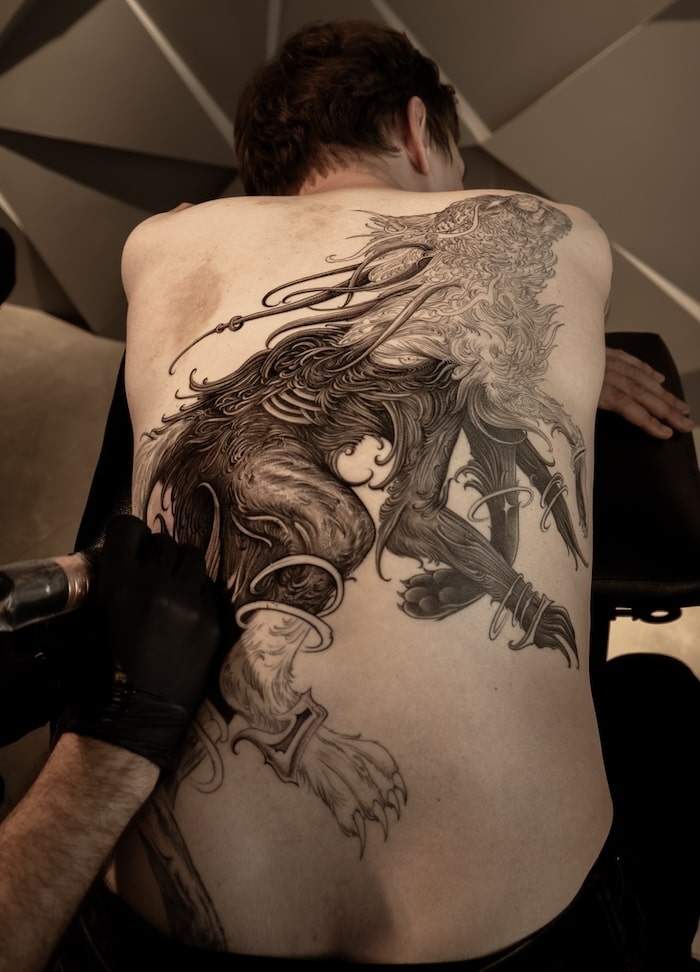
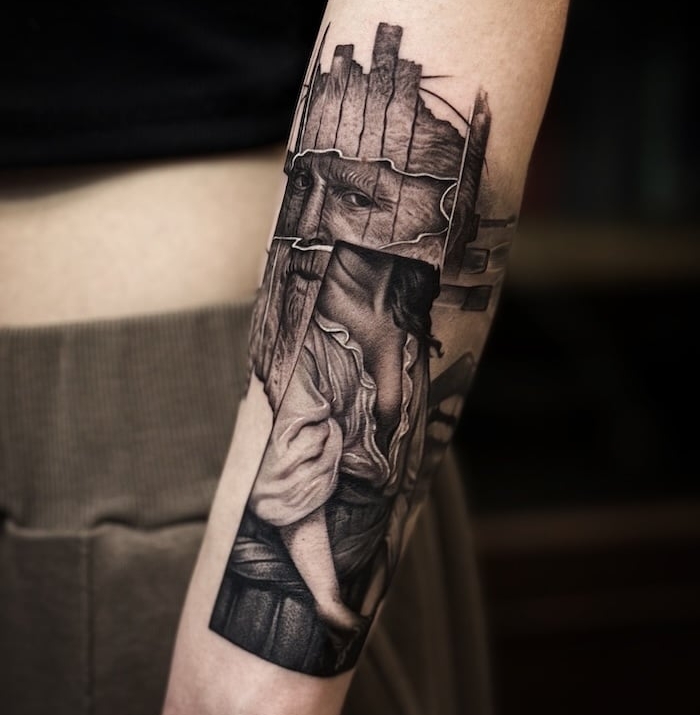
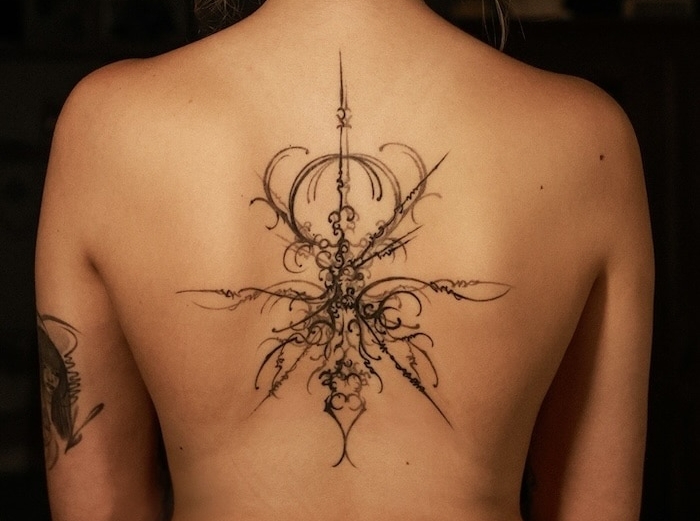
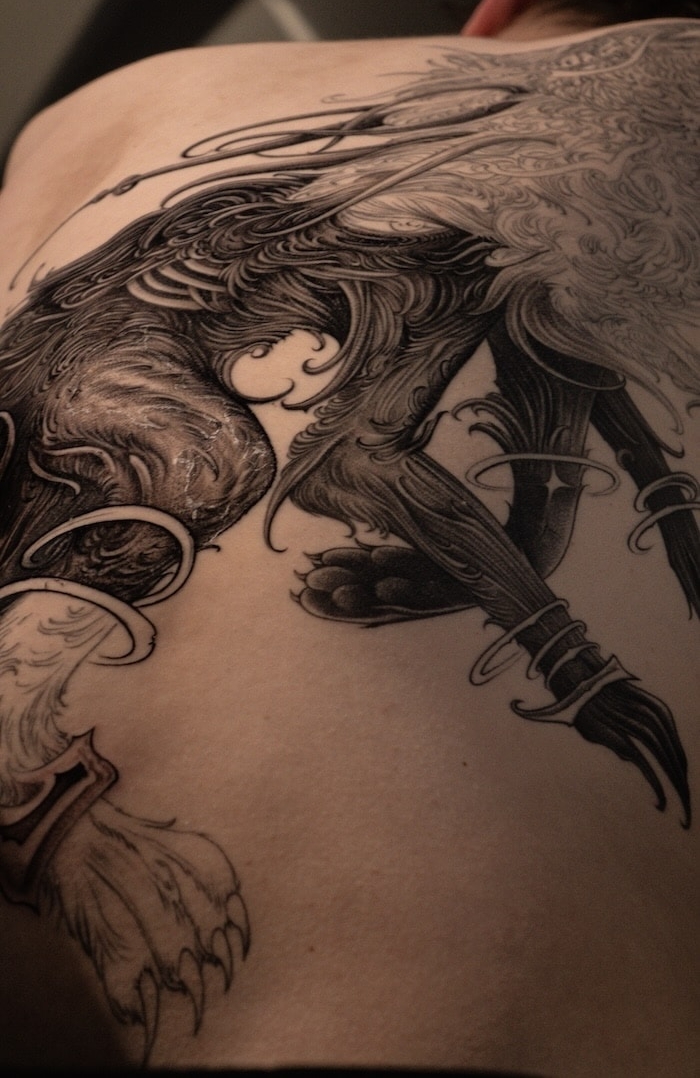
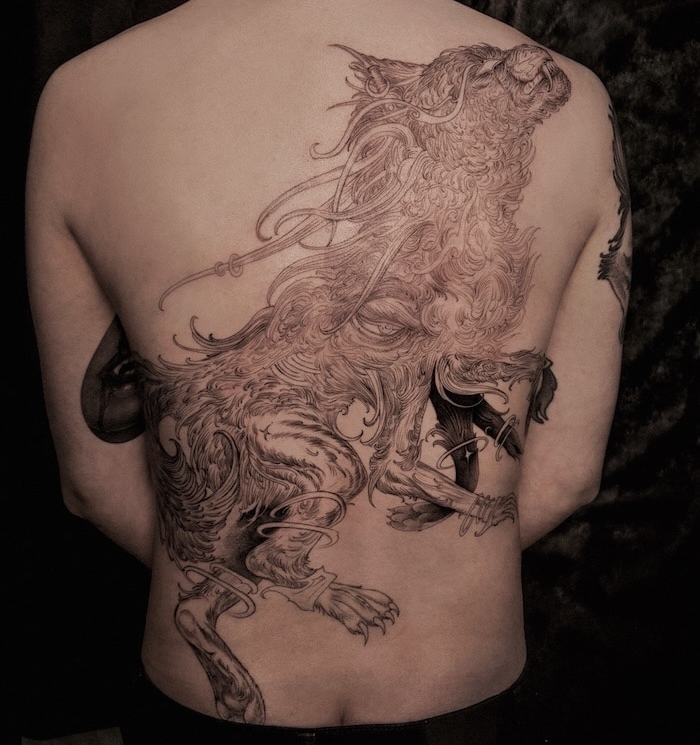
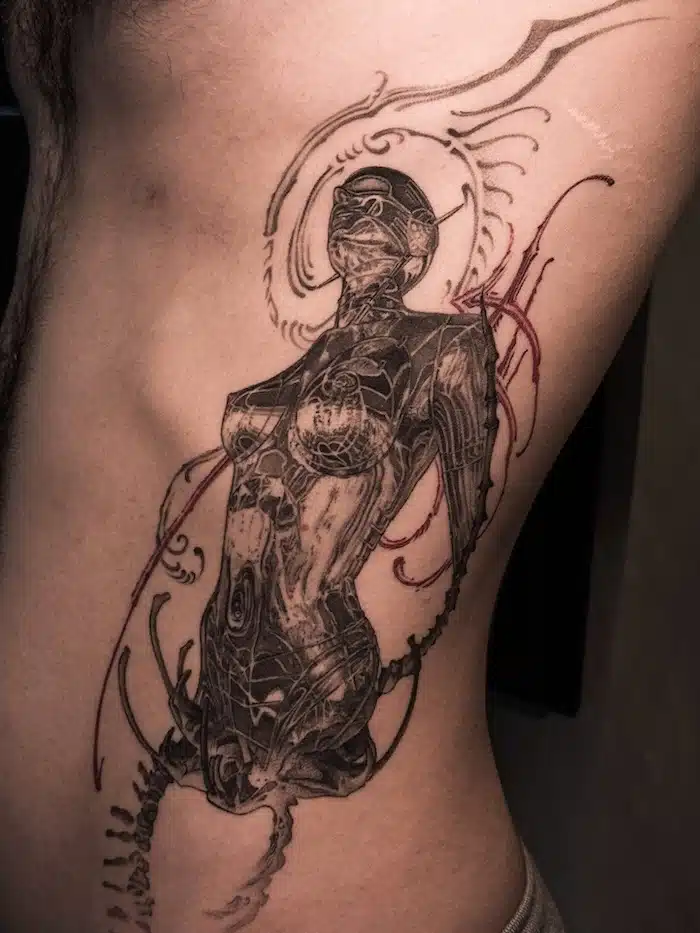
My work isn’t limited to a single style, but it’s built around fine-line techniques using 3RL needles to achieve a pencil-drawing effect. I fully committed to this approach in 2022.
- Please walk us through your process when you start a new tattoo for your clients.
I begin with a consultation to understand the client’s idea, then create a custom design or work freehand. Once approved, we schedule the session.
- How do you stay creatively inspired?
Through drawing, traveling, and constantly creating. The process itself is my main source of inspiration.
- How do you balance client requests with your artistic vision?
I’m selective with clients and clearly communicate my style. If we align, we move forward; if not, I recommend another artist.
- Are there any tattoo styles you’d like to explore more?
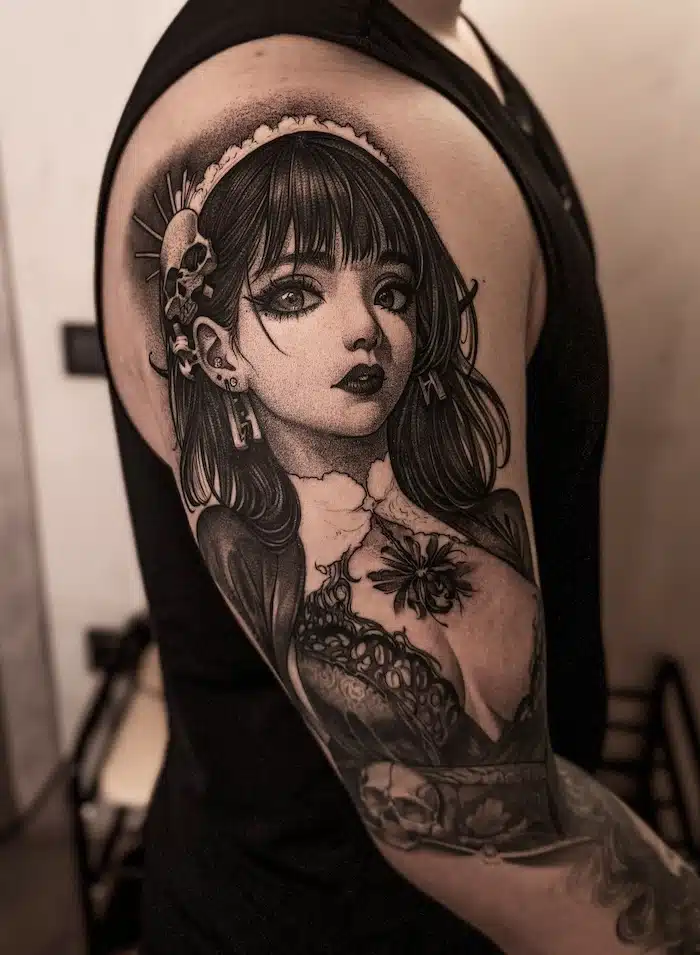
Yes, especially dotwork and blackwork.
- What’s the most underrated tattoo style?
Chinese oriental tattooing.
- Are there any tattoos you prefer not to do?
Yes—old school, handpoke, color realism, blackout, and traditional oriental styles.
- Do you have sponsors?
Currently, I don’t have any sponsors.
- As a tattoo artist, what tattoo ethics are important to you?
Client-focused design, respect for anatomy, strong communication, strict hygiene, and maintaining a comfortable working environment.
- Being a successful tattoo artist requires many different skills. What’s your favorite way to keep learning?
Consistent practice and drawing. Discipline and focus are key to long-term growth.
- Do you like to teach or mentor upcoming artists?
Yes, especially in one-on-one settings. I’ve mentored 8 students so far.
- What’s the best piece of advice you ever received to improve your tattooing technique?
Focus on drawing and attention to detail—every stage of the process matters.
- How do you stay at the top of your game?
By drawing daily, staying disciplined, and continuously refining my skills.
- What do you think separates a good tattoo artist from a great one?
A great artist never stops evolving and truly loves the craft.
- How do you feel about the growing acceptance of tattoos in society?
Very positive—it reflects natural cultural evolution.
- What’s the biggest misconception that customers may have about tattoos?
That tattoos always fade into blue or green, or that they’re extremely painful.
- What’s the biggest trend in tattooing you have noticed in the last 5 years?
A shift toward valuing custom, handcrafted designs over copied work.
- What’s your view on the rise of AI in tattooing?
AI can assist creatively, but it also increases the value of authentic, hand-drawn work.
- Do you work on other projects within the tattoo industry?
Yes, I’m currently developing a large tattoo space in Tashkent and working on design projects.
- Do you do other forms of art besides tattooing?
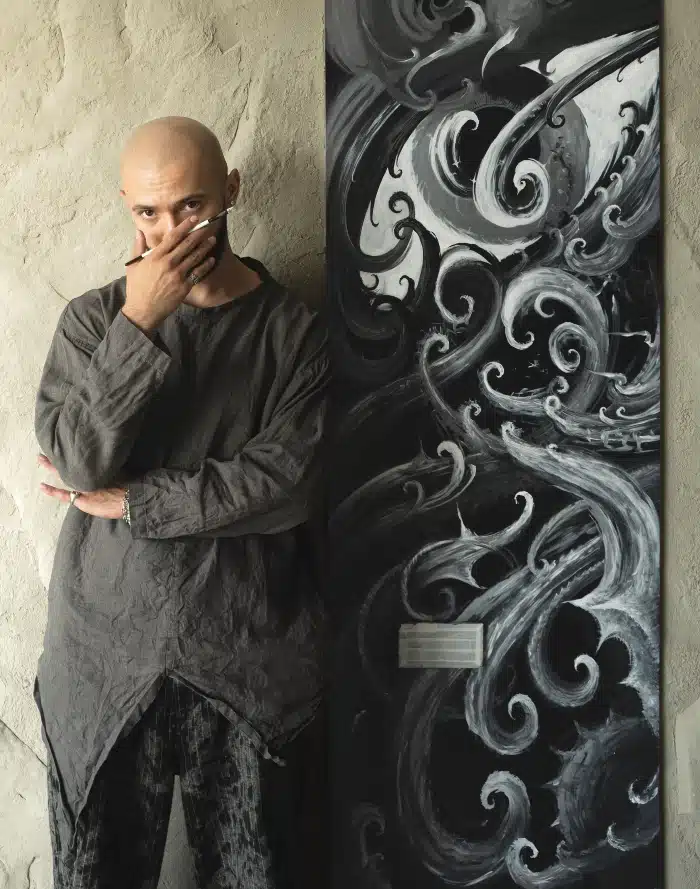
Yes—painting, sketching, wall art, and recently 3D modeling.
- What’s your experience at tattoo conventions so far?
Limited but growing. I’ve participated in international and local events and gained valuable exposure.
- What’s your primary reason to attend a tattoo convention?
To exchange experience, learn from others, and expand artistic perspective.
- What’s your favorite tattoo convention so far? And why?
Dragon Gate Tattoo Convention in Guangzhou, due to the high level of craftsmanship and inspiration.
- Have you ever had the opportunity to participate in any tattoo contests? Did you receive any awards?
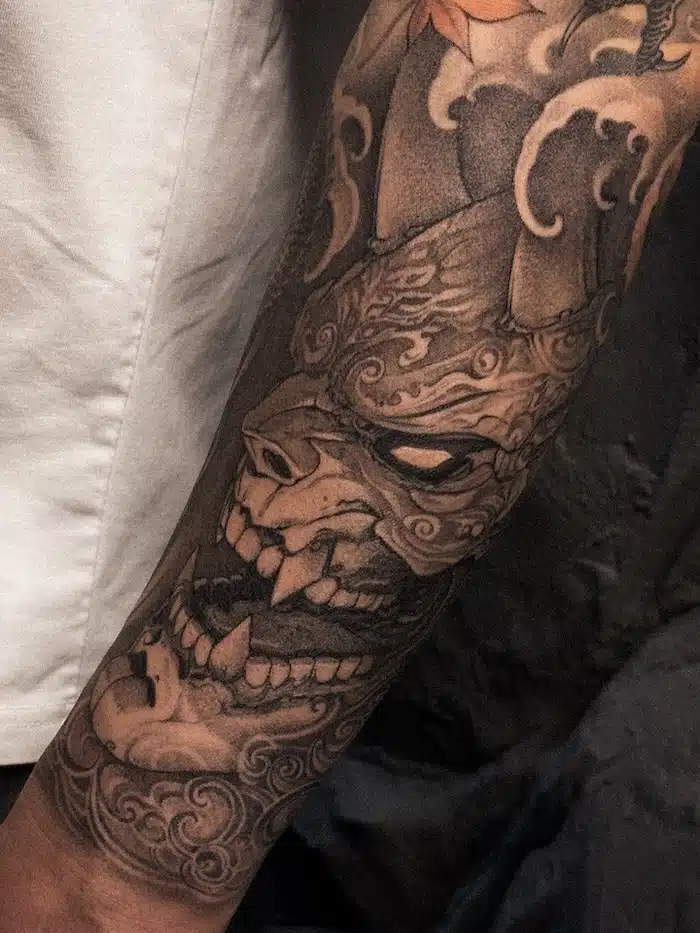
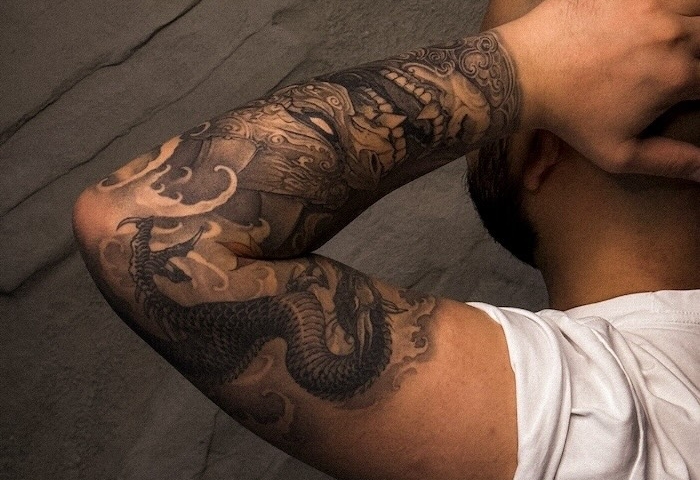
Yes, I placed in the top 5 in the Black & Grey Sleeve category at Dragon Gate 2025.
- Was there any event in particular that really boosted your career?
The Dragon Gate Convention significantly influenced my growth.
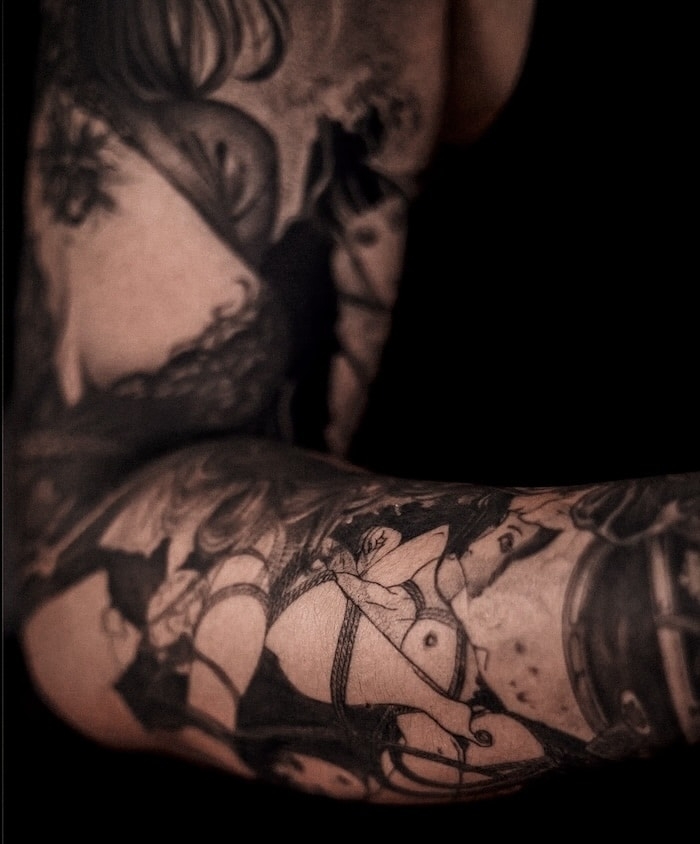
- Is there any tattoo that you have created in your career that you are particularly proud of?
Yes, especially improvisational pieces where I had full creative freedom.
- What is your greatest accomplishment as a tattoo artist?
Developing a recognizable artistic style and attracting international clients.
- What advice would you offer to someone considering a career as a tattoo artist?
Draw consistently, stay disciplined, and engage with the industry.
- What are your goals or dreams for the near future?
To participate in international conventions, gain recognition, and continue evolving my style.
- What legacy do you want to leave as a tattoo artist?
A distinct artistic signature – tattoos that feel like pencil drawings – and inspiration for future artists.
- To close this awesome interview, what’s your last message to our readers?
Value your own vision. Your ideas matter – protect them and bring them to life.


Leave A Comment