

Gusk Dharmanik is a Balinese tattoo artist, painter, and sculptor whose work is deeply influenced by traditional art and cultural storytelling. Starting from painting and wood carving, he found tattooing as a natural extension of his artistic path—one that allows him to merge fine art with human connection. As the founder of Damantraz Studio in Bali, he has built a space focused on strong artistic foundations, originality, and meaningful work.
Drawing inspiration from mythology, nature, and traditional art, he creates detailed, story-driven compositions designed to flow with the body. In an increasingly competitive and fast-moving industry, Gusk emphasizes originality, patience, and continuous learning as essential to long-term success.
Looking ahead, Gusk aims to expand internationally, take on larger-scale projects, and continue building a legacy rooted in authenticity and artistic integrity. Beyond his own work, he is committed to mentoring younger artists and contributing to a tattoo culture that values skill, respect, and meaningful expression.
Let’s step into his world.
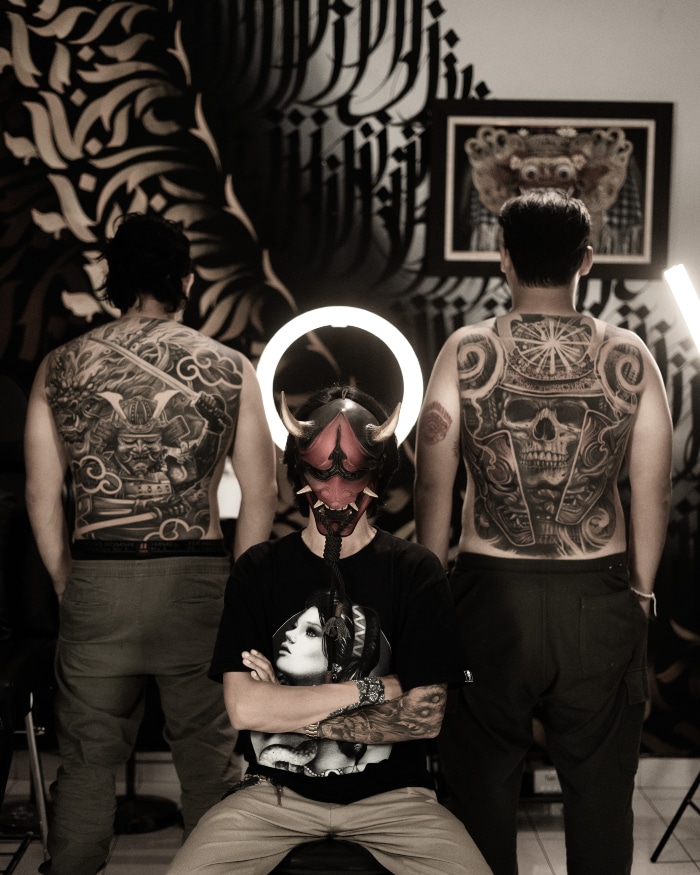
- How would you like to introduce yourself?
My name is Gusk Dharmanik. I am a Balinese tattoo artist, painter, and sculptor. My journey began with traditional Balinese painting and wood carving, and over time I found tattooing as a way to combine fine art, storytelling, and human connection. I am also the founder of Damantraz Tattoo Studio, where we focus on creating work rooted in strong artistic backgrounds.
- Where can your clients find you?
Clients can find me in Bali, Indonesia, at Damantraz Tattoo Studio.
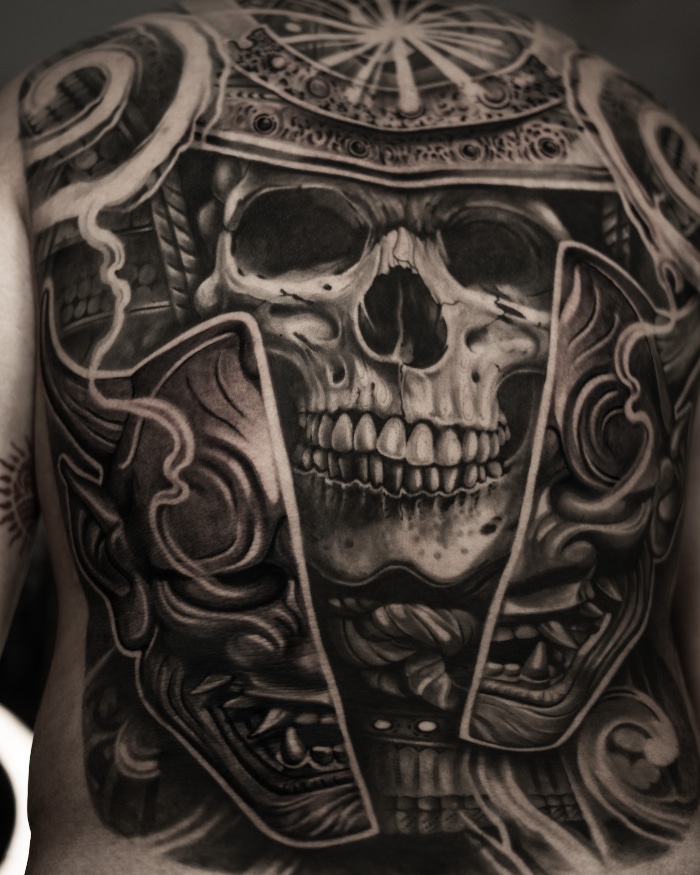
- How would you describe the tattoo scene in your country these days?
The tattoo scene in Indonesia, especially in Bali, is growing rapidly. With more international artists visiting and local artists improving, it has become a highly competitive but also very inspiring environment.
- How would you define yourself in one word?
Dedicated.
- Where did your fascination for tattoos come from?
It comes from my background in traditional art, where creativity and spirituality are part of everyday life. When I discovered tattooing, I was drawn to the idea of skin as a living canvas.
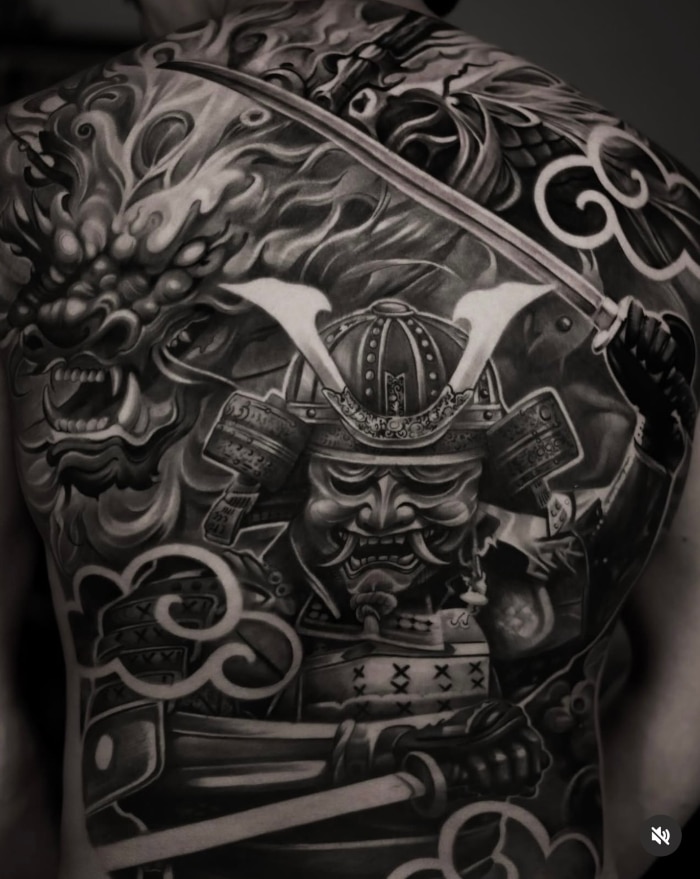
- What does tattooing mean to you personally?
Tattooing is more than a job—it’s a way to leave something meaningful in someone’s life, a collaboration between my art and their story.
- At what point in your life did you decide to become a professional tattoo artist?
Around 2014, after working as a painter, I realized tattooing could become my main career and open opportunities to travel and connect with people worldwide.
- How did your family react when you started a career in tattooing?
At first, they were unsure due to the negative perception of tattoos, but as they saw my dedication and progress, they became supportive.

- Did you go through an apprenticeship? How was that experience?
Yes, I learned through other artists and hands-on experience. It required patience, learning from mistakes, and continuous improvement, which shaped my development.
- What did your first tattoo look like?
It was simple and small, and I was very nervous—but it was also exciting and unforgettable.
- Do you usually do guest spots? If yes, what’s your experience in doing them?
Yes, especially in Australia. Guest spots allow me to meet new clients, collaborate with artists, and expand my skills and perspective.
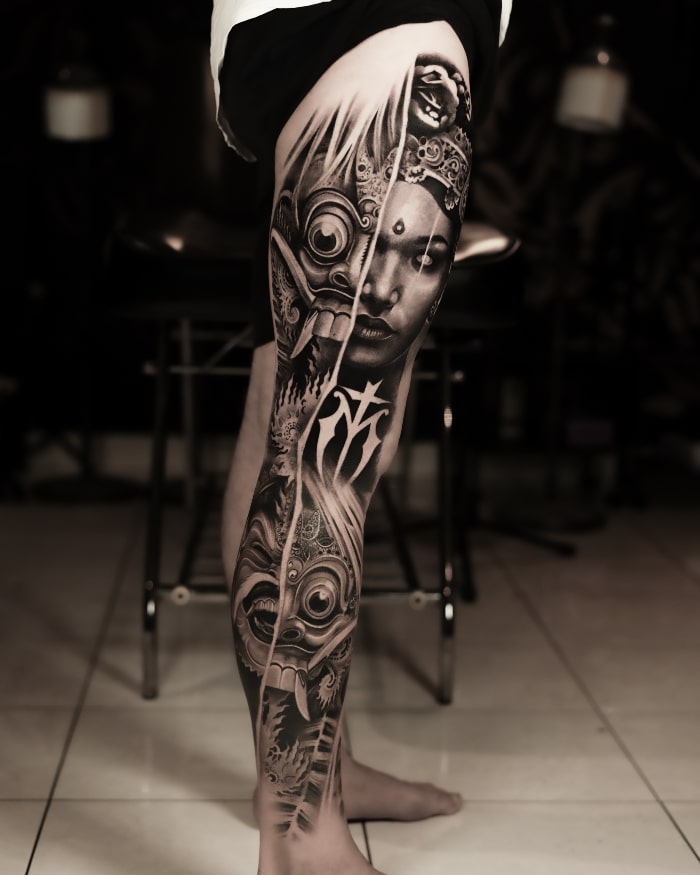
- What does your daily working routine look like?
I start with drawing, preparing designs, and tattooing during sessions. After work, I continue creating—drawing, painting, or planning future projects.
- What is one surprising aspect of being a tattoo artist?
It’s not just about drawing—it involves communication, psychology, and responsibility, as the work is permanent.
- How do you determine the price of a tattoo?
Pricing depends on size, detail, placement, time, and overall artistic value.
- What’s the most challenging aspect of being a tattoo artist in 2026?
Managing competition and social media pressure while building a strong identity.
- What’s the most rewarding aspect of being a tattoo artist?
The trust from clients and seeing them proud to wear my work.
- What tools and machines do you prefer to use?
I prefer rotary machines for stability, detail, and smooth shading.
- What’s your number one aftercare advice for clients?
Listen to your artist and be patient—healing is key to a great result.
- How would you define your current tattoo style?
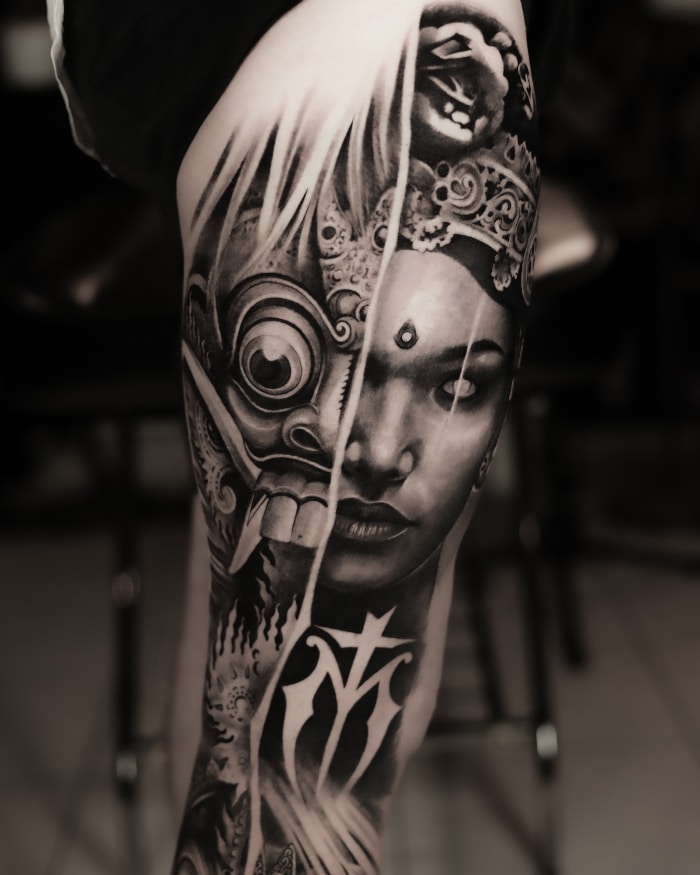
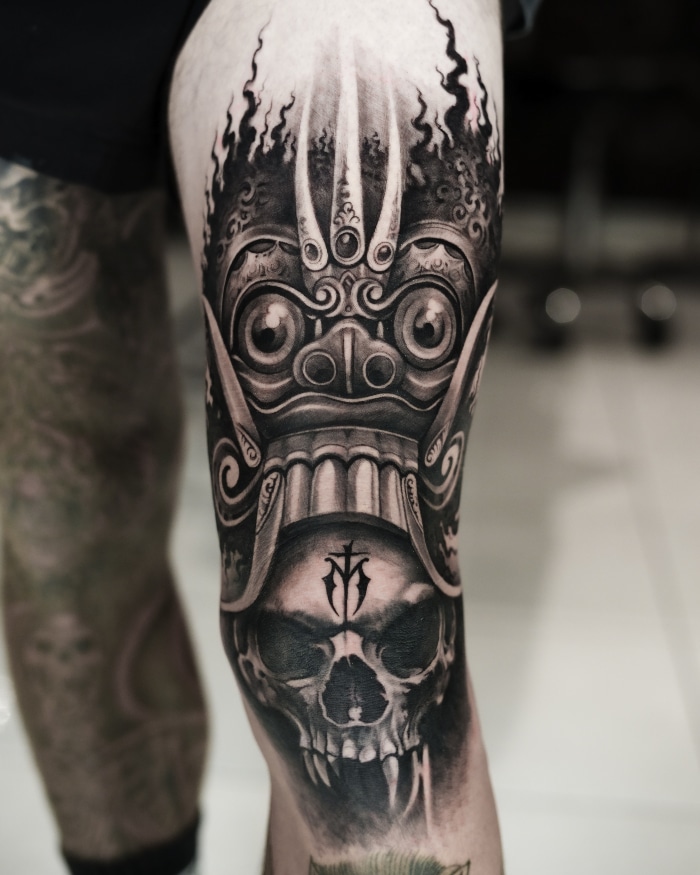
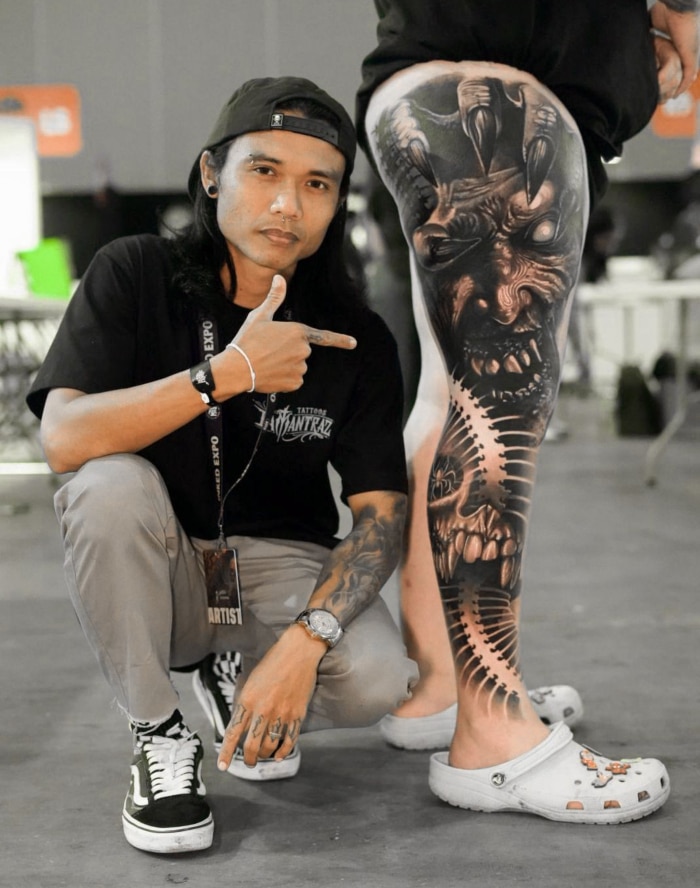
A blend of Balinese art, mythology, Japanese influence, and dark art, focused on strong composition, detail, and storytelling.

- Please walk us through your process when you start a new tattoo for your clients.
I begin by understanding the client’s idea, then create a custom design, adjust it to the body, and proceed with the tattoo.
- How do you stay creatively inspired?
Through nature, traditional art, books, museums, and music.
- How do you balance client requests with your artistic vision?
I listen carefully but guide the design to ensure it works both artistically and technically.

- Are there any tattoo styles you’d like to explore more?
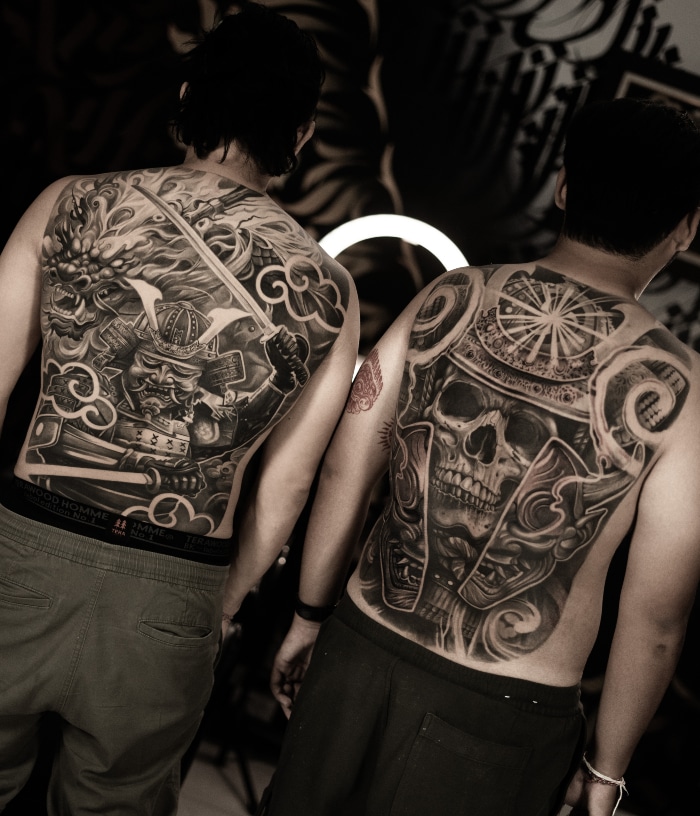
I want to expand into more large-scale projects like back pieces and body suits.
- What’s the most underrated tattoo style?
Traditional tribal and ornamental tattoos for their cultural depth and strong design.
- What’s the most overrated tattoo style?
Short-lived trends driven mainly by social media.
- Are there any tattoos you prefer not to do?
I avoid copying other artists’ work and prioritize originality.
- Do you have sponsors?
I’m open to collaborations with brands that share my values in quality and art.
- As a tattoo artist, what kind of tattoo ethics are important to you?
Respect for clients and artists, originality, and always delivering your best work.

- Being a successful tattoo artist requires many different skills. What’s your favorite way to keep learning?
Continuous practice, seminars, conventions, and learning from others.
- Do you like to teach or mentor upcoming artists?
Yes, I enjoy sharing knowledge with younger artists in my studio.
- What’s the best piece of advice you ever received to improve your tattooing technique?
Be patient—great tattoos take time.

- How do you stay at the top of your game?
Keep learning, keep practicing, and stay humble.
- What do you think separates a good tattoo artist from a great one?
Beyond skill, it’s creativity, discipline, and personality.
- How do you feel about the growing acceptance of tattoos in society?
It’s very positive and shows recognition of tattooing as an art form.

- What’s the biggest misconception that clients may have about tattoos?
That high-quality tattoos can be done quickly and cheaply.
- What’s the biggest trend in tattooing you have noticed in the last 5 years?
Fine line and social media-driven styles.
- What’s your view on the rise of AI in tattooing?
It can help generate ideas, but it cannot replace human connection and experience.
- What would you change about the tattoo industry?
More respect for originality and less copying.
- Do you work on other projects within the tattoo industry?
Yes, including painting, prints, and canvas work.
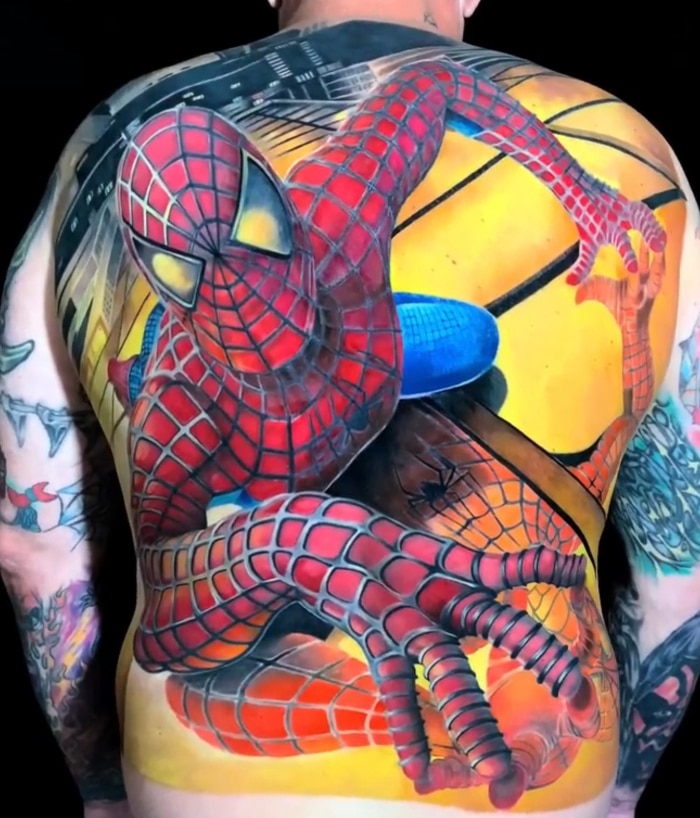
- Do you do other forms of art besides tattooing?
Yes, painting and sculpture are important parts of my practice.
- Who are the people you admire the most within the tattoo community?
Artists with strong identity and originality.
- What’s your experience at tattoo conventions so far?
They are important for networking, learning, and showcasing work.
- How do you usually prepare for a tattoo convention?
By preparing designs, equipment, and mentally for the intensity.
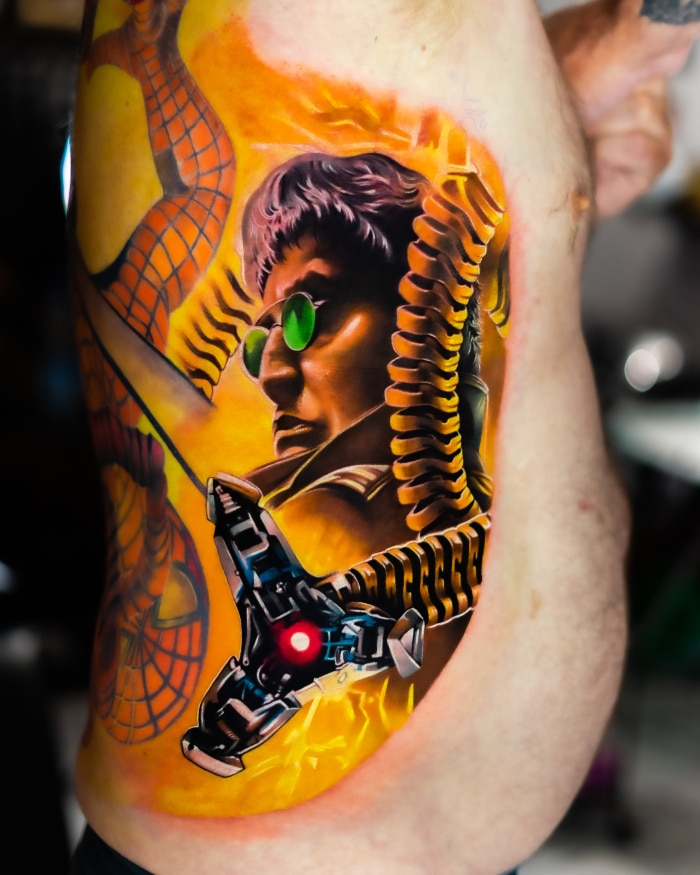
- What’s your primary reason to attend a tattoo convention?
To meet clients, connect with artists, and grow internationally.
- What’s your favorite tattoo convention so far? And why?
Any event where I meet great artists and people.
- Have you ever had the opportunity to participate in any tattoo contests? Have you received any awards?
Yes, and they’ve helped my career grow and gain recognition.
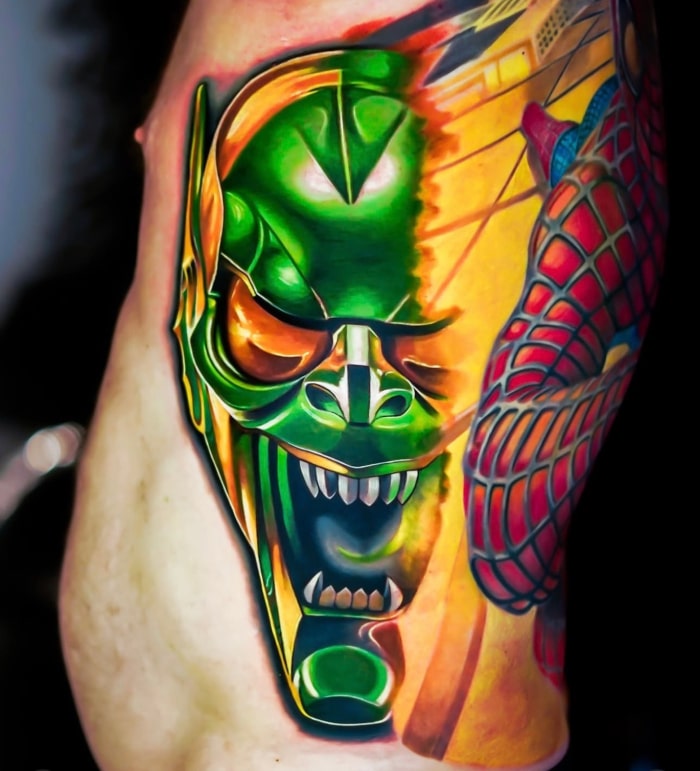
- Do you collect tattoos from artists you meet at conventions?
Yes, from artists I respect.
- How do you think there are ways tattoo conventions could improve for both artists and the public?
Better organization and stronger focus on art quality.
- Was there any event in particular that really boosted your career?
International work and conventions helped build my global client base.
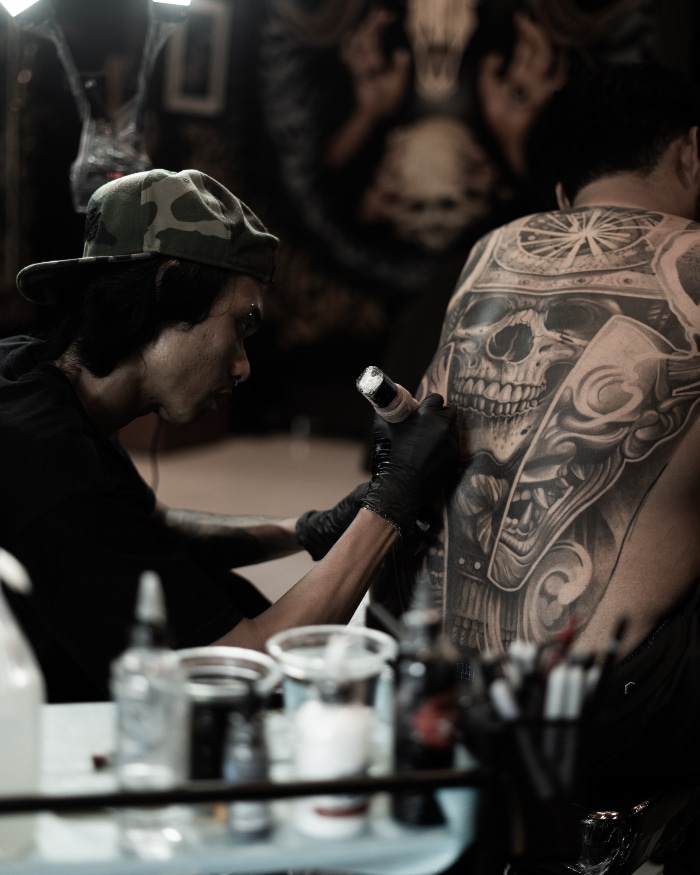
- Is there any tattoo that you have created in your career that you are particularly proud of?
Large-scale projects where I had full creative freedom.
- What is your greatest accomplishment as a tattoo artist?
Building my own studio and career through art.
- What advice would you offer to someone considering a career as a tattoo artist?
Learn drawing first—tattooing is drawing on skin.
- What are your goals or dreams for the near future?
To grow internationally, attend more conventions, collaborate, and continue developing my art.
- What legacy do you want to leave as a tattoo artist?
To be remembered as an artist who stayed true to his work and helped others grow.
- To close this awesome interview, what’s your last message to our readers?
Support artists, respect tattoos, and choose quality—tattoos are permanent and should be meaningful.


Leave A Comment